
Walking into a crafts store can feel like stepping into a well-stocked “idea pantry.” One aisle solves a problem (adhesives), the next creates a new one (now you need a vinyl cutter). If you’ve ever wondered which crafts stores are best for your project, how to avoid buying the wrong materials, or when it’s smarter to make instead of buy, this guide will help you shop with confidence and craft with better results.
Today’s crafts stores aren’t just for glue guns and scrapbook paper. They’ve become supply hubs for home décor, small-batch product makers, classroom labs, and side hustles—especially as digital fabrication (laser cutting, engraving, DTF apparel) becomes more accessible.
What “crafts stores” really offer in 2026 (and what they don’t)
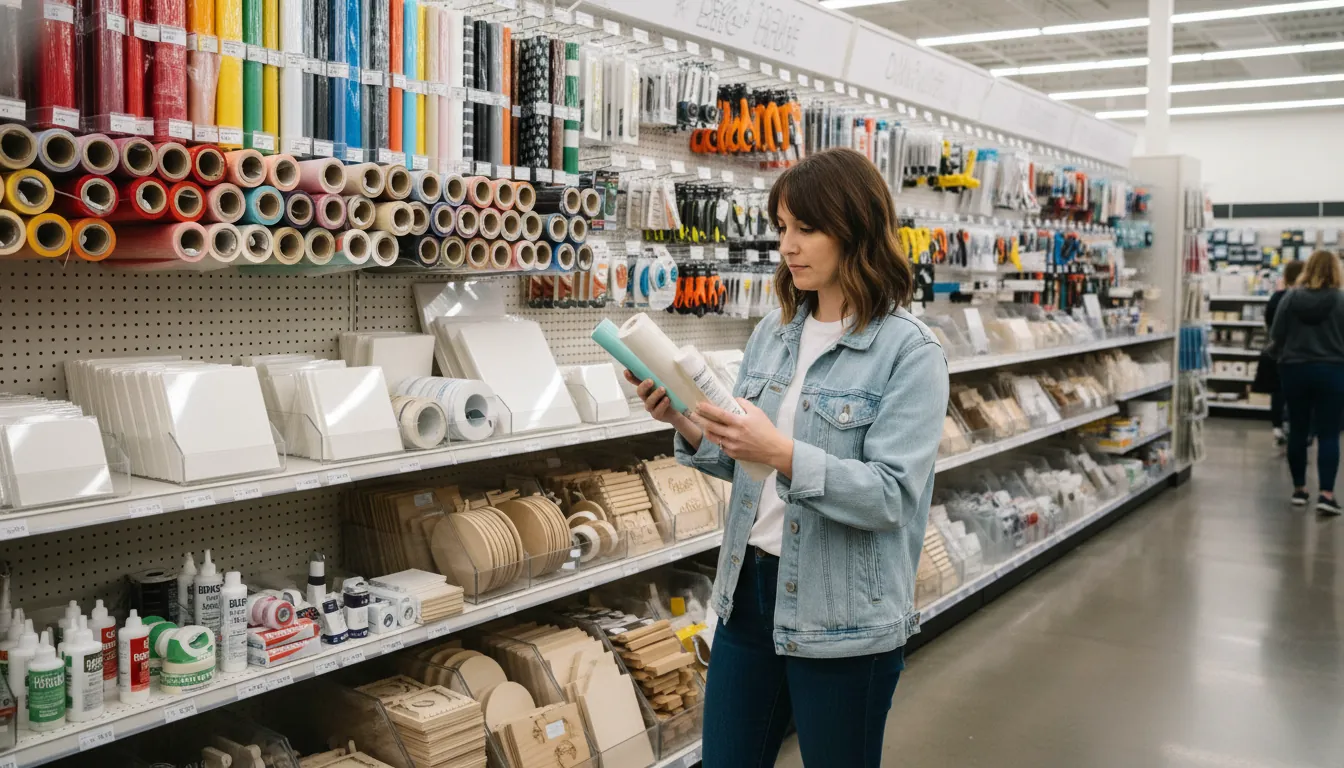
Crafts stores typically shine in variety and convenience: paint, paper, beads, yarn, seasonal décor, frames, and beginner-friendly tools. Many also offer coupons, weekly deals, and classes—great for learning and quick restocks. Online-first craft retailers often beat local stores on niche inventory, bulk packs, and specialty brands.
Where crafts stores can fall short is material transparency (exact acrylic type, coating, adhesive chemistry), batch consistency, and maker-grade tooling. In my own workflow, I’ve had “identical” plywood sheets from a chain craft store engrave darker one week and wash out the next—because core layers and glue differ by batch. For casual DIY it’s fine; for selling products, it can wreck repeatability.
Types of crafts stores: choose based on your project
Instead of asking “Which crafts store is best?” ask “Best for what?” Here’s how the landscape usually breaks down:
- Big-box craft chains: broad selection, frequent promotions, seasonal décor, framing, kids’ kits.
- Paper-craft specialists: scrapbooking, stamps, inks, cardstock, planners, embellishments.
- Art supply stores: pro-grade paint, brushes, canvas, drafting tools, higher-quality pigments.
- Wholesale/seasonal décor suppliers: wreath forms, ribbons, florals, bulk home décor components.
- Online marketplaces & specialty retailers: niche materials, bundles, hard-to-find blanks, fast restock.
For beginners, big-box crafts stores are often the easiest entry point. For pros, specialty suppliers or maker-grade brands can save time and reduce waste.
Crafts stores vs. making in-house: a practical decision framework
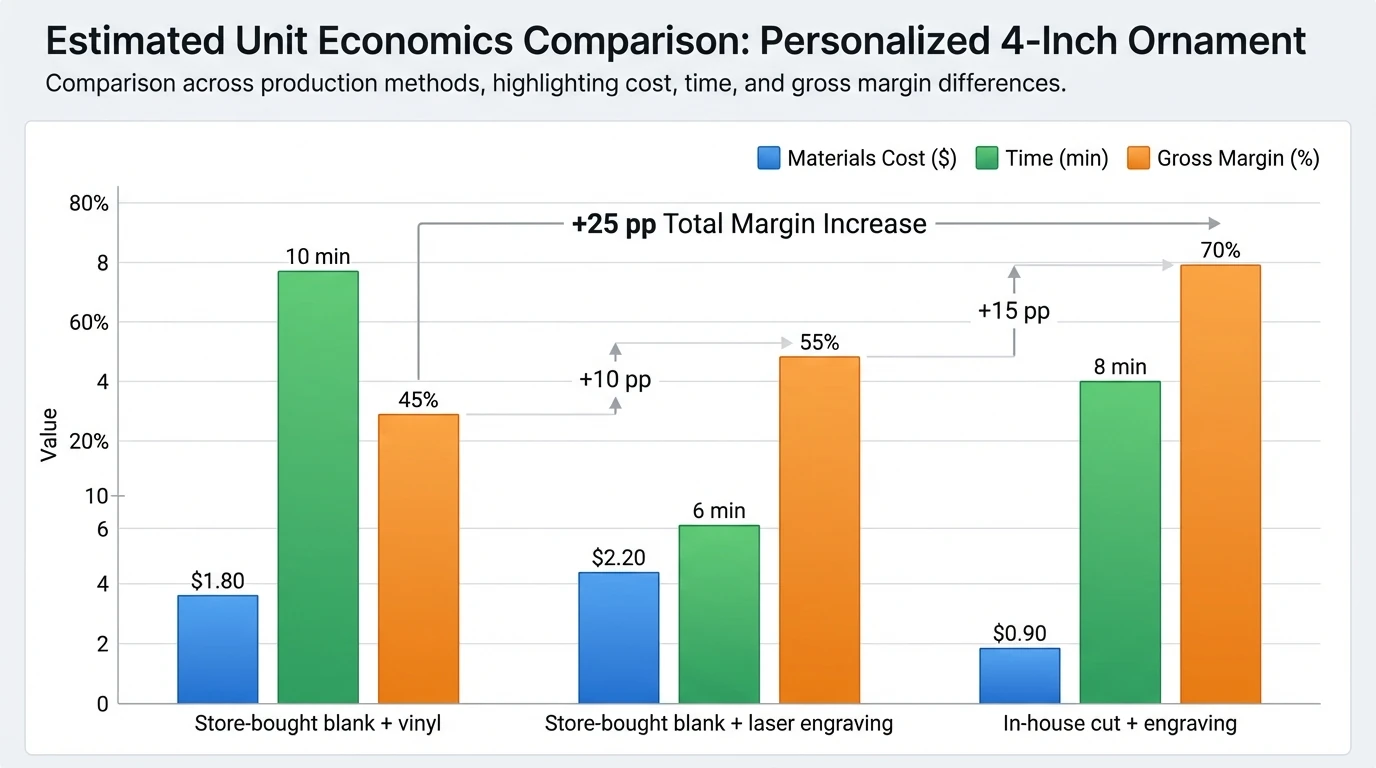
A lot of creators hit a ceiling: the store-bought blanks aren’t unique anymore, margins get tight, and the “same product everyone sells” problem shows up. That’s when digital fabrication starts to pay off.
Use this quick framework:
- Buy from crafts stores when: you need speed, small quantities, low risk, or you’re testing an idea.
- Make in-house when: you need consistent quality, personalization, control over materials, or higher profit per item.
- Hybrid when: you buy base components (frames, totes, ornaments) and customize them with engraving, vinyl, or DTF prints.
I tried the hybrid approach first—buying ready-made wood rounds and adding personalization. It worked, but switching to cutting my own rounds (consistent thickness and grain) reduced rejects and made pricing simpler.
What to look for when buying materials at crafts stores (so they work the first time)
Craft failures are usually material + settings mismatches, not “lack of talent.” When you shop, focus on these details:
Labels that matter (more than the brand name)
- Wood: thickness tolerance, plywood vs solid, “basswood” vs mixed “craft wood” bundles
- Acrylic: cast vs extruded, coated vs uncoated, paper mask vs plastic mask
- Vinyl: permanent vs removable, indoor vs outdoor rating
- Fabric: fiber content (cotton/poly blends behave differently for heat transfer)
- Adhesives: cure time, flexibility, temperature resistance, food-safe claims (often misunderstood)
Red flags I’ve learned to avoid
- Mixed “assorted wood” packs for anything that needs consistent engraving depth
- Unlabeled acrylic sheets (no clue if it’s cast or extruded)
- Glitter-coated surfaces without testing adhesion/laser safety first
- Seasonal bargain blanks with inconsistent coatings
If you’re using lasers, always verify whether a material is safe to process. For example, PVC and vinyl can release corrosive/toxic gases and can damage equipment—avoid unknown plastics.
Common crafts store mistakes (and the fast fixes)
| Problem | Likely Cause | Quick Fix | Better Buying Tip |
|---|---|---|---|
| Paint beads up on wood | Oily/sealed surface (wax, polyurethane, residue) | Clean with degreaser/denatured alcohol, lightly sand (220–320 grit), apply bonding primer, repaint | Buy unfinished/raw wood labeled “paint-ready”; avoid pre-sealed craft boards unless you plan to prime |
| Vinyl peels | Wrong vinyl type or low-surface-energy plastic (PP/PE), weak adhesion | Reclean with isopropyl alcohol, increase firm burnishing, use primer (adhesion promoter) or switch to permanent vinyl | Choose permanent outdoor-grade vinyl; for plastics, buy blanks labeled “vinyl-ready” or specifically ABS/acrylic instead of PP/PE |
| Laser engraving looks uneven | Inconsistent plywood glue layers/voids; mixed core density | Mask and engrave slower with consistent focus; reduce power; do a test grid and orient grain consistently | Buy laser-grade Baltic birch or MDF from a laser supplier; avoid cheap craft plywood with unknown core/voids |
| DTF/HTV cracks after wash | Wrong temp/pressure/time or incompatible fabric blend/stretch | Repress with correct settings, use a cover sheet, allow full cure, wash inside-out cold/low heat | Match HTV type to fabric (stretch HTV for spandex, low-temp for heat-sensitive); buy reputable brand rolls with spec sheet |
| Glue won’t hold | Wrong adhesive for substrate (porous vs non-porous), contamination, or low clamp time | Roughen surface, clean, apply correct glue, clamp/hold longer; use epoxy/CA for slick surfaces | Buy adhesive labeled for your materials (E6000 for mixed crafts, 2-part epoxy for metal/plastic, wood glue for wood); avoid “all-purpose” for load-bearing joints |
Getting better results with modern craft tools (laser + DTF + all-in-one machines)
Crafts stores sell the ingredients—but precision tools are what turn “cute DIY” into “sellable product.” In the digital fabrication world, this usually means:
- Laser cutters/engravers: clean cuts, fine engraving, repeatable personalization on wood, acrylic, leather, coated metals
- DTF apparel printing: vibrant, durable transfers for cotton, blends, and many synthetics
- All-in-one craft machines: a single platform that can handle multiple techniques without a full workshop
xTool is a strong example of where this category is heading: easier setup, safer workflows, and software that reduces guesswork. In particular, the xTool M1 Ultra (4‑in‑1) can combine laser, inkjet, blade, and pen work—useful if your projects jump between stickers, cardstock, and engraved gifts. For apparel, a DTF printer + reliable heat press helps you move past “one-off shirts” into repeatable small-batch production.
If you’re building a product line, consider pairing crafts-store sourcing with consistent, maker-grade processes (material settings libraries, calibrated presses, and test swatches). That combination typically reduces remakes and returns.
The New Craft Room King? – xTool M1 Ultra Review
Where crafts stores fit in a small craft business (and how to profit from them)
Crafts stores can be your R&D lab: quick tests, seasonal trends, and last-minute supplies. But the real money is usually in repeatable products and distribution.
If you plan to sell, these guides help you move from “making” to “selling”:
- Where to Sell Crafts Online (Top 30 Websites)
- How to Sell Crafts Online in 6 Steps
- Where to Sell Handmade Items Locally? (Top 30 Places)
A workflow I’ve seen succeed (and used myself) is: validate demand with store-bought blanks → refine design → switch to in-house cutting/engraving for consistency → scale listings and local partnerships.
Expert-backed shopping habits: save money without sacrificing quality
These are widely used best practices across retail crafting and pro art supply buying:
- Track price per unit (not just “40% off”). Bulk packs often hide higher per-piece costs.
- Standardize materials for products you sell: one plywood type, one acrylic type, one vinyl line.
- Test once, document settings (especially for laser/heat press). Repeatability is profit.
- Shop seasonal early if you sell holiday items—inventory gets weird late-season.
- Use pro sources for pro results: art stores for pigments/brushes; specialty suppliers for consistent blanks.
For additional guidance, see material and safety recommendations from:
- U.S. Consumer Product Safety Commission (CPSC) (product safety guidance, recalls)
- NIOSH (dust/fume exposure and ventilation fundamentals)
- UL Solutions (safety certification context for electrical equipment)
Conclusion: Use crafts stores as your launchpad, not your limit
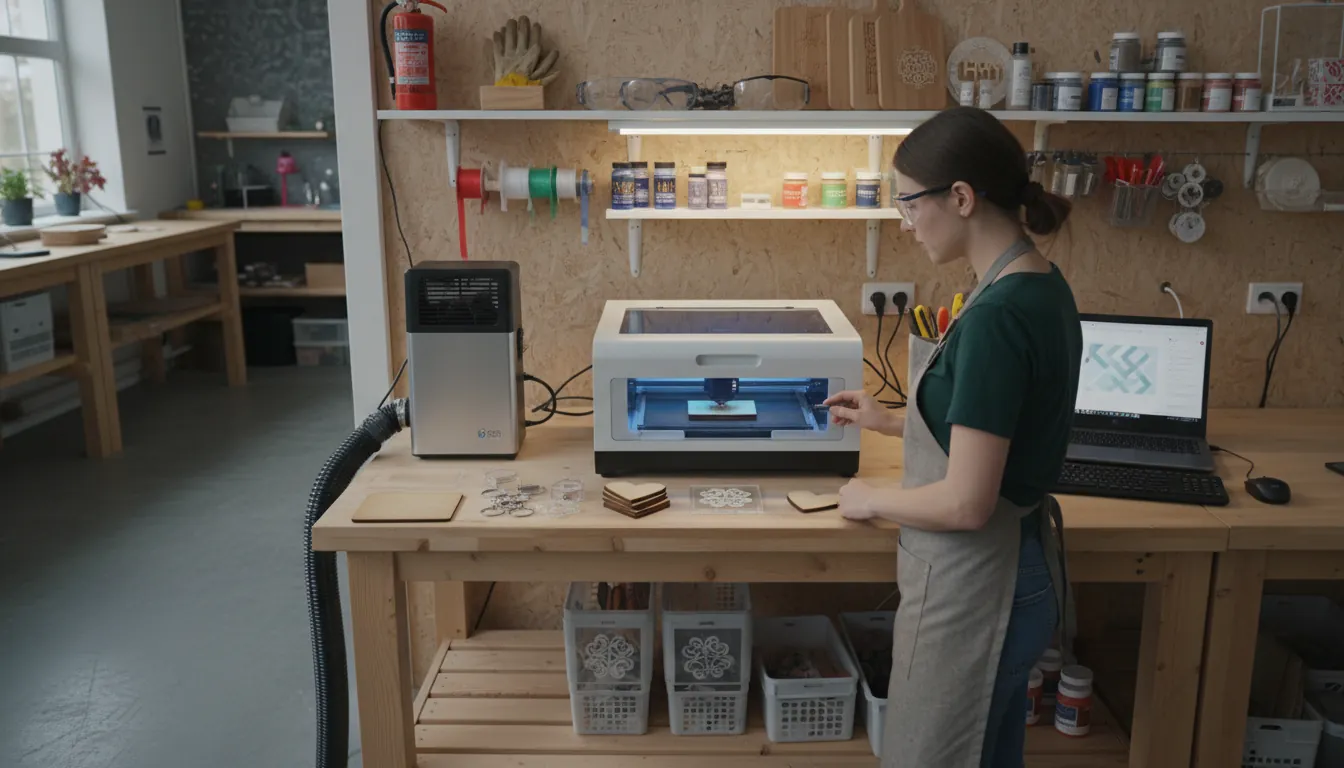
Crafts stores are where many great maker stories begin—quick supplies, new ideas, and that spark you didn’t expect. But once you care about consistency, personalization, and profit, your process matters as much as your materials. Combine smart crafts store shopping with reliable tools and repeatable settings, and you’ll spend less time fixing mistakes—and more time shipping products you’re proud of.
📌 [Refurbished] xTool M1 Ultra: The World’s First 4-in-1 Craft Machine
FAQ: Crafts Stores (Top Search Questions)
1) What are the best crafts stores for beginners?
Big-box crafts stores are usually best for beginners because they offer variety, coupons, and starter kits. Pair that with a short list of go-to basics (adhesive, cutting tools, measuring tools) to avoid overspending.
2) Are crafts stores cheaper than buying online?
It depends. Crafts stores can be cheaper with coupons and seasonal sales, while online retailers often win on bulk packs, specialty items, and consistent restocks.
3) What should I buy at crafts stores vs specialty suppliers?
Buy general items (paint, glue, basic vinyl, tools) at crafts stores. Buy consistency-critical materials (laser-grade plywood, known acrylic types, pro pigments) from specialty suppliers.
4) Why does my wood engraving look different each time with craft-store plywood?
Many craft-store plywood bundles vary in glue layers and core species. That changes how the surface burns and how deep the laser cuts, even at the same settings.
5) Can I start a small business using only crafts store supplies?
Yes, especially for validating product ideas. Long-term, most sellers improve margins and consistency by standardizing materials and adding in-house personalization or production steps.
6) What materials should I avoid if I’m using a laser cutter?
Avoid unknown plastics and anything that may contain PVC/vinyl. When in doubt, confirm the material type and safety guidance from the manufacturer and follow ventilation best practices.
7) What’s the fastest way to make crafts-store items feel “custom”?
Personalization: names, dates, monograms, short quotes, or small logos via engraving or DTF/heat-transfer prints. Even simple customization can justify higher pricing.