
You know that moment when you want coffee-level energy, but not the jitters—or you’re craving something creamy and café-worthy without the syrupy crash? That’s where matcha beverages shine. Matcha is finely milled green tea powder traditionally used in Japan, and when you whisk it into water or milk, you get a drink that’s bold, grassy-sweet, and surprisingly versatile. I’ve tested matcha beverages across hot lattes, iced “cloud” styles, and straight-up usucha (thin tea), and the difference between “wow” and “why does this taste like pond water” usually comes down to three things: powder quality, water temp, and mixing method.
What Are Matcha Beverages (and Why They Taste So Different)?
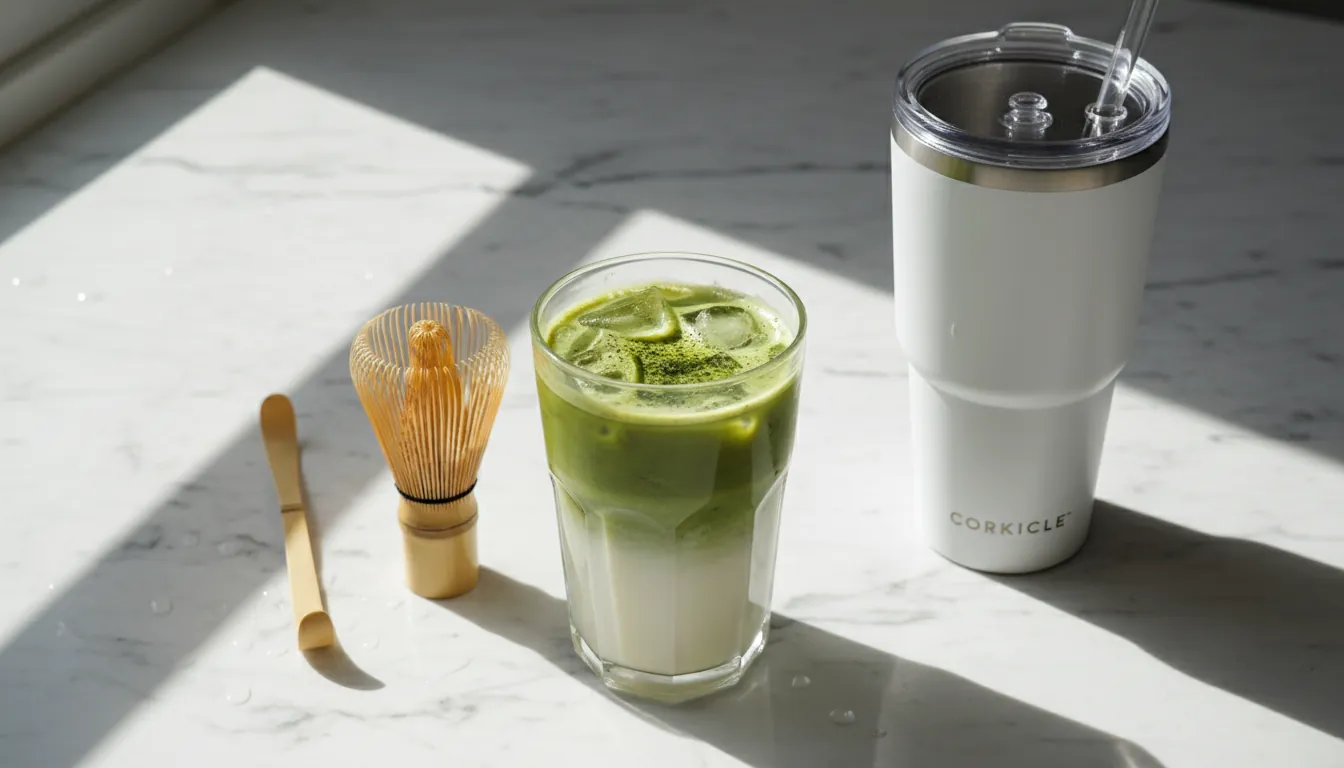
Matcha beverages are drinks made by dissolving or suspending matcha powder into water, milk, or a blended base. Unlike steeped green tea, you consume the whole leaf (stone-ground), which is why matcha tastes richer and looks vividly green. According to Wikipedia’s matcha overview, matcha is a Japanese stone-ground powdered green tea—simple definition, big range of outcomes in the cup.
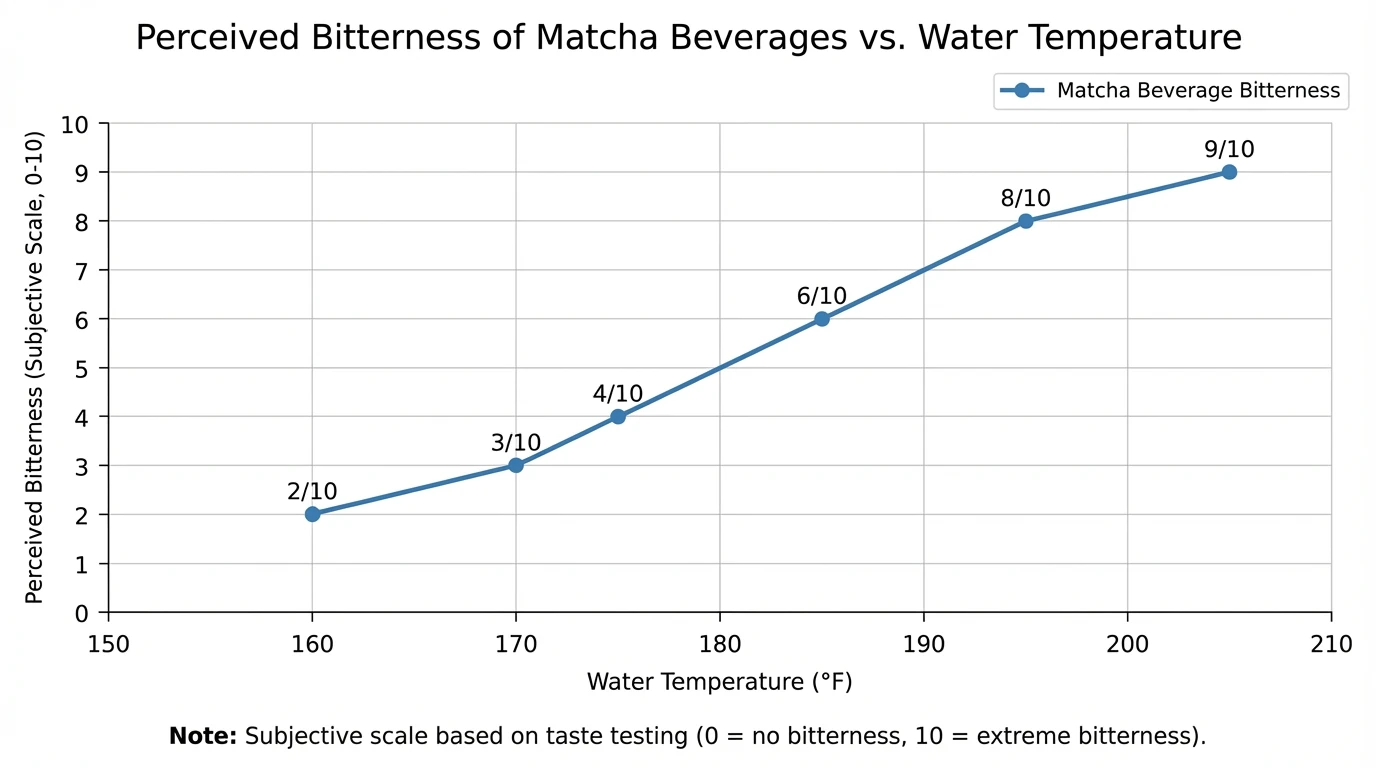
Flavor can swing from smooth and sweet (higher grade) to bitter and dull (lower grade or overheated water). In practice, most “bad matcha” experiences I see come from boiling water plus under-whisking, which leaves clumps and pulls harsh notes forward.
The Core Types of Matcha Beverages (Hot, Iced, and Blended)
Most matcha beverages fall into a few core formats. Once you understand the base, you can remix endlessly—vanilla, strawberry, yuzu, coconut, or classic honey.
- Traditional (Usucha / Koicha)
- Usucha is lighter, sippable; koicha is thick and intense.
- Best when you want pure matcha flavor without milk.
- Matcha Latte (Hot or Iced)
- The most popular modern format: matcha + milk + optional sweetener.
- Great for beginners because milk softens bitterness.
- Cold Brew–Style Matcha
- Shaken with cold water (and sometimes ice) for a clean, crisp profile.
- Ideal when you want “fast and refreshing” with minimal tools.
- Blended Matcha Drinks
- Smoothies, frappé-style blends, and protein shakes.
- Great for texture lovers; easiest way to add fruit.
If you want recipe inspiration similar to what top matcha brands publish, browse collections like Jade Leaf’s matcha recipes for categories (hot, iced, culinary) and flavor directions.
How to Make Matcha Beverages Smooth (No Clumps) Every Time
Clumps are the #1 complaint in homemade matcha beverages, and they’re almost always preventable. The goal is to disperse the powder first, then build the drink.
- Sift your matcha (optional, but noticeable)
- Especially helpful for lattes and iced drinks where clumps stand out.
- Use the right water temperature
- Aim for hot-but-not-boiling (think ~175°F / ~80°C) to reduce bitterness.
- Whisk or shake correctly
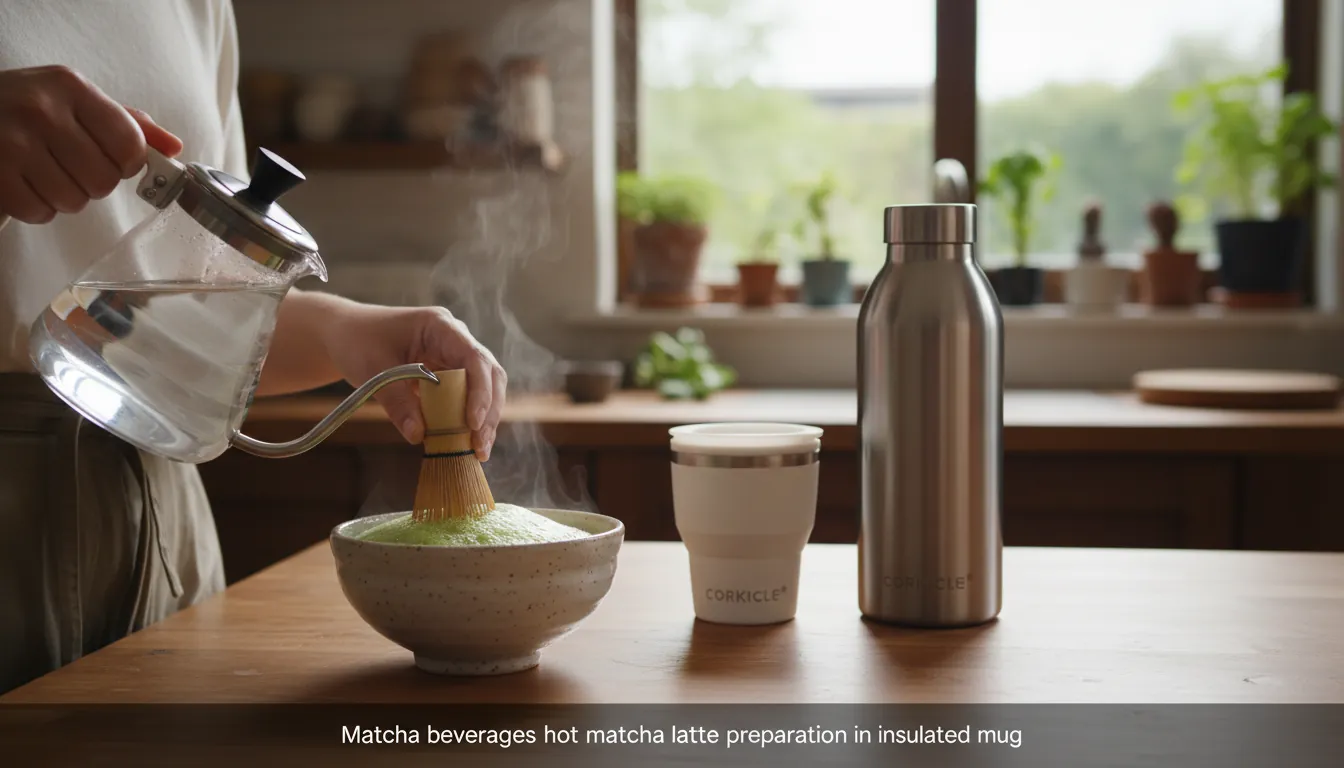
- Chasen whisk: quick “W” motion for foam.
- Milk frother: fast and effective, slightly less traditional.
- Shaker jar: great for iced matcha beverages on the go.
From experience, the biggest “upgrade” is simply cooling your water slightly before mixing, then adding milk/ice. Boiling water can make matcha taste sharp and flat at the same time.
| Problem | Likely Cause | Fast Fix | Best For |
|---|---|---|---|
| Bitter taste | Water too hot; low-grade matcha | Use 70–80°C (160–175°F) water; adjust matcha-to-water ratio | Usucha (hot matcha) and lattes |
| Clumps | Not sifted; weak mixing | Sift matcha; whisk vigorously (W-pattern) or shake in a sealed jar | Iced matcha and quick prep |
| Watery latte | Too much milk | Increase matcha to ~2 tsp (4–5 g) or reduce milk volume | Matcha lattes (hot or iced) |
| Chalky texture | Old/stale matcha; poor suspension | Use fresher matcha; whisk longer with a bit more water before adding milk | Smooth lattes and straight matcha |
| Too grassy | Too much matcha | Reduce dose; add vanilla or honey to round out flavor | Beginner-friendly lattes and iced drinks |
A Simple Matcha Latte Ratio (Hot and Iced)
A reliable “baseline” makes experimenting easier. Here’s a ratio I use when dialing in matcha beverages for friends who want café taste at home.
Hot matcha latte
- 1–2 tsp matcha (start with 1 tsp)
- 2–3 oz hot water (not boiling)
- 8–10 oz warm milk (dairy or oat are popular)
- Sweetener to taste (honey, maple, simple syrup)
Iced matcha latte
- 1–2 tsp matcha
- 2–3 oz cool or lightly warm water (to dissolve)
- Ice
- 8–10 oz cold milk
If you’re chasing that coffeehouse profile, check mainstream references like the Starbucks Iced Matcha Latte menu listing to understand what customers expect (sweetness level, milk-forward balance), then adjust at home to be less sweet and more matcha-forward.
Flavor Add-Ins That Actually Work (Without Ruining the Matcha)
Matcha has a distinct green, umami-leaning profile. The best add-ins either complement that earthiness or add contrast without overpowering.
- Sweeteners
- Honey (rounds edges), maple (adds warmth), vanilla syrup (dessert vibe)
- Fruits
- Strawberry purée (layered iced latte), mango (smoothie), yuzu/lemon (bright contrast)
- Creamy boosters
- Oat milk (naturally sweet), coconut milk (tropical), half-and-half (rich)
- Spices
- Cinnamon (subtle), cardamom (floral), ginger (sharp, refreshing)
I tried the “strawberry layer + matcha” trend after seeing it repeated across café menus and community threads; it’s popular for a reason. The fruit sweetness hits first, then matcha lingers—very approachable for new matcha drinkers.
Make Matcha Beverages Ahead (and Keep Them Tasting Fresh)
Matcha is sensitive to air, light, and time. If you’re meal-prepping matcha beverages, aim to prep components rather than finished drinks.
- Best to prep
- Matcha concentrate: whisk matcha + small amount of water, store chilled 24–48 hours.
- Simple syrup or honey syrup: keeps a week+ in the fridge.
- Better made fresh
- Full iced latte with milk (separates faster, flavor dulls).
- Storage tip
- Keep matcha powder airtight and away from heat/light to slow oxidation (color and flavor fade).
For commuting or long days, insulation matters more than people think: heat accelerates bitterness and dullness, and melted ice waters everything down. If you regularly take matcha on the go, you’ll appreciate practical tips from How to Keep Hot Drinks Warm on Your Commute (the same principles apply to keeping hot matcha stable and enjoyable).
Hosting with Matcha: A “Build-Your-Own Matcha Bar” Setup
Matcha beverages are surprisingly party-friendly because they cover caffeine, dessert, and mocktail vibes. A matcha bar also looks premium with minimal effort.
What to put out
- Matcha powder + sifter, whisk or frother
- Milk options: whole, oat, coconut
- Sweeteners: honey, vanilla, maple
- Add-ins: strawberry purée, cocoa, cinnamon, sea salt
- Ice + cups + stir sticks
For layout ideas that feel polished (not cluttered), pull a few styling cues from Party Drink Station Display Ideas. If you’re keeping it cold outdoors, the same logic in How to Keep Drinks Cold at a Party helps protect flavor and texture—especially for iced matcha beverages where dilution is the enemy.
Matcha Tutorial Lesson 3: Making Matcha Lattes (Barista-Approved!)
Common Buying Mistakes (and How to Choose Matcha for Drinks)
Not every matcha is meant for every drink. The “best” matcha depends on whether you’re drinking it straight or mixing with milk.
- For traditional tea (water-only matcha beverages)
- Look for brighter green color and smoother taste; higher grades matter more.
- For lattes and blended drinks
- You can use a latte-focused matcha; milk and sweetener cover some sharpness.
- Avoid
- Dull yellow-green powder (often stale), strong fishy smell, or gritty texture.
A practical rule: if your matcha tastes harsh in a latte even with good technique, it’s usually the powder—not you.
Conclusion: Make Matcha Beverages Your New “Anytime” Ritual
Matcha beverages have a way of showing up exactly when you need them—calm focus in the morning, an iced reset in the afternoon, or a feel-good latte during a busy commute. Once you dial in temperature, mixing, and a repeatable ratio, matcha stops being “fussy” and becomes one of the easiest drinks to customize. If you try one recipe from this guide, start with an iced matcha latte and adjust sweetness slowly—you’ll taste the matcha more each time.
FAQ: Matcha Beverages
1) Are matcha beverages healthier than coffee?
Matcha beverages can feel smoother for many people because matcha contains caffeine plus L-theanine, which may reduce perceived jitters. Health depends on what you add—sweetened café versions can add a lot of sugar.
2) Why do my matcha beverages taste bitter?
Common causes are water that’s too hot, too much matcha, or low-quality/stale powder. Try cooler water and a smaller dose first.
3) What milk is best for matcha lattes?
Oat milk is a favorite for matcha beverages because it’s naturally sweet and creamy. Whole milk is rich and balanced; coconut milk gives a tropical flavor.
4) How much matcha should I use per drink?
Start with 1 tsp for a standard latte and go up to 2 tsp if you want a stronger matcha-forward taste (especially in iced drinks).
5) Can I make matcha beverages without a whisk?
Yes. A handheld frother, blender, or even a sealed jar/shaker works well for iced matcha beverages. The key is vigorous mixing.
6) How long does matcha last once opened?
Flavor and color fade over time. For best matcha beverages, aim to use opened matcha within 1–2 months and store it airtight away from light and heat.
7) Can I prep matcha beverages the night before?
You can prep a matcha concentrate and refrigerate it for 24–48 hours. Full milk-based drinks are best made fresh to avoid separation and dull flavor.