
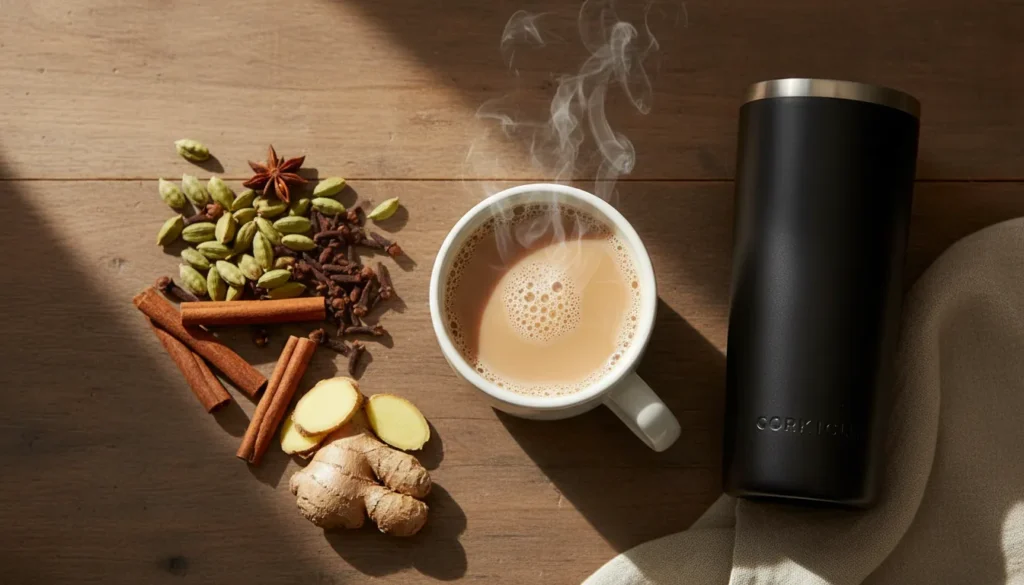
“Chai chai tea” shows up on café menus, in grocery aisles, and in everyday conversation—yet it often leaves people wondering: Is it a specific drink, or just a catchy phrase? If you’ve ever ordered a “chai tea” and heard someone say it means “tea tea,” you’re not alone. I’ve had the same debate standing at a coffee counter, holding a hot cup and realizing the words matter almost as much as the flavor.
This guide breaks down what chai chai tea really means, where the phrase comes from, and how to brew a more authentic, better-tasting chai at home—especially if you care about heat retention and a clean, non-metallic taste.
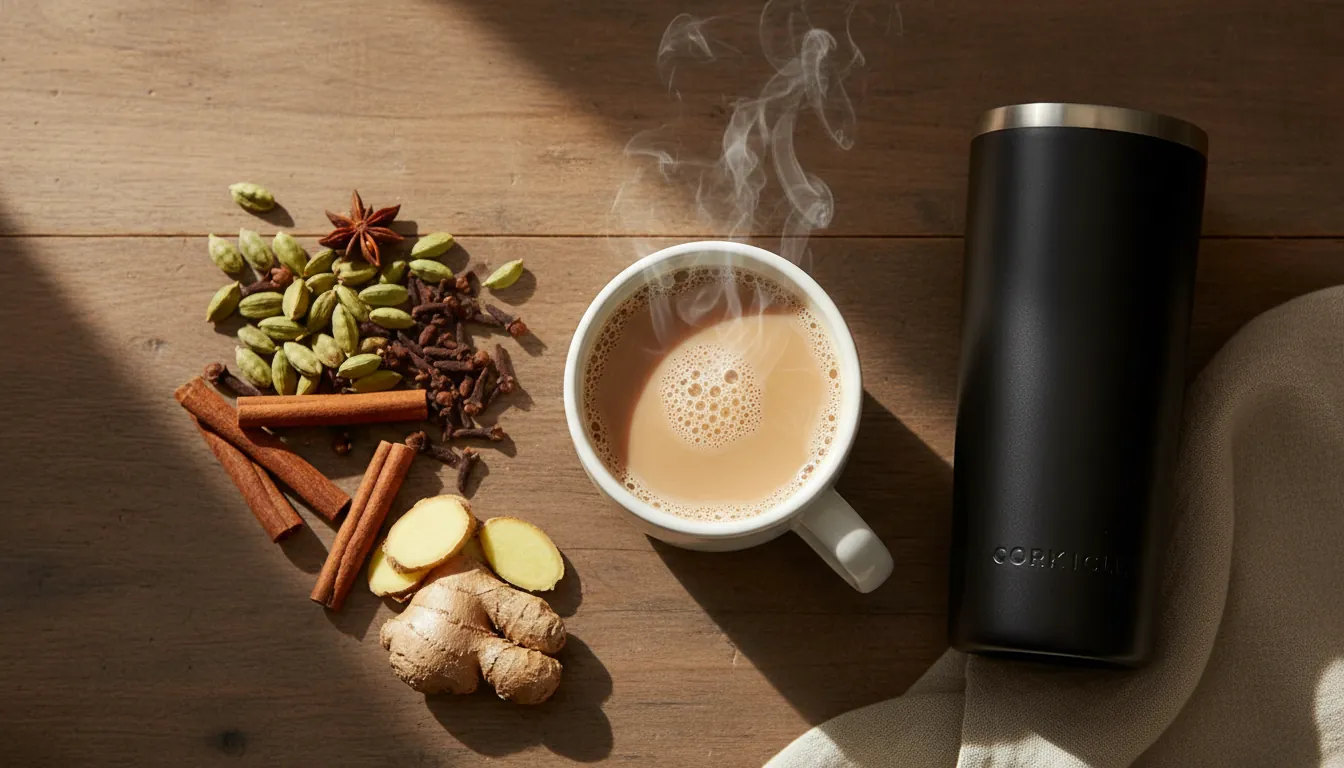
What Does “Chai Chai Tea” Mean?
In many South Asian languages, “chai” simply means “tea.” So when English speakers say chai chai tea, they’re often repeating the word “tea” without realizing it. That doesn’t make it “wrong” in casual use—it’s just a common language mash-up that happened as chai became popular in Western cafés.
Here’s the practical takeaway: in most café contexts, “chai” typically implies spiced, sweetened tea—often what many people mean by masala chai (spiced tea made with black tea, milk, spices, and sugar). For background on the traditional drink and its core components, see Masala chai.
Why Cafés and Brands Use “Chai Tea” (and Where Confusion Comes From)
“Chai tea” became a convenient label in English-speaking markets to signal a specific flavor profile—warming spices like cinnamon, cardamom, clove, ginger, and black pepper—rather than plain tea. Over time, that label stuck, and “chai chai tea” emerged as a playful or accidental extension of it.
You’ll usually see “chai” sold in a few formats:
- Liquid concentrates (mix with milk or water)
- Powdered mixes (often sweeter, easy to blend)
- Loose-leaf/spice blends (more control, more aroma)
If you browse major chai product collections, you’ll notice filters for concentrate vs. powder, plus certifications like organic or kosher—signals that the category is now mainstream and highly segmented (example: concentrate and powdered mix assortments on Oregon Chai’s product collection).
The Flavor Anatomy of Chai (So You Can Buy or Brew Smarter)
A great chai chai tea experience usually depends on balance—not just “more spice.” In my own testing at home, the cups that tasted best had enough steep time for the tea, plus brief simmering for spices without scorching the milk.
Most masala chai builds on four pillars:
- Tea: Usually black tea for body and caffeine
- Spices: Commonly cardamom, cinnamon, ginger, cloves, and pepper
- Milk: Dairy or oat milk for texture and sweetness
- Sweetener: Sugar, jaggery, honey, or syrup (added to taste)
If you want a quick reference for how different “chai” products compare, use the table below.
| Format | Best for | Typical sweetness level | Control over spice | Prep time (minutes) | Notes |
|---|---|---|---|---|---|
| Concentrate | Quick lattes at home; cafés; iced chai | High | Low | 2–5 | Often pre-sweetened; may contain additives; easy for iced chai |
| Powder | Office/travel; instant cups; consistent results | High | Low | 1–3 | Typically contains sugar and stabilizers; dissolves fast; good with hot water or milk |
| Loose-leaf | Traditional brewing; best aroma and depth | Low | High | 8–15 | Most control over strength/spice; requires straining; freshest flavor |
How to Make Chai Chai Tea at Home (Authentic-Style, Not Fussy)
This method aims for a café-quality cup with minimal equipment. It’s also the approach I use when I want consistent results without a countertop machine.
Simple stovetop masala chai (2 mugs)
- Crack and toast spices (optional but worth it). Lightly crush 4 cardamom pods and 2 cloves; add 1 small cinnamon stick and a few slices of ginger.
- Simmer spices in water. Add ~1.5 cups water, simmer 5–7 minutes for aroma.
- Add black tea. Add 2–3 tsp black tea (or 2 tea bags), steep 3–5 minutes.
- Add milk. Add ~1 cup milk, return to a gentle simmer (don’t boil hard).
- Sweeten and strain. Sweeten to taste, strain into mugs.
Pro tip: If your chai tastes flat, it’s usually because the spices didn’t simmer long enough—or the tea steeped too briefly. If it tastes bitter, steep the tea less or reduce boil intensity.
How To Make Chai Tea | Indian Tea
Iced “Chai Chai Tea” That Doesn’t Taste Watery
Iced chai fails when people brew it like hot tea and dump it over ice. Instead, make it stronger and cool it fast.
- Brew double-strength chai (same recipe, less water)
- Cool for 10 minutes, then pour over a full glass of ice
- Add milk last to control color and strength
If you like a smoother sip, strain twice (fine mesh + paper filter) to remove micro-spice sediment.
Keeping Chai Hot (and Tasting Like Chai, Not Metal)
Chai is especially sensitive to temperature and aftertaste. As it cools, sweetness and spice can feel harsher, and some containers can add a metallic note—especially with strong black tea.
When you’re commuting or stretching one cup across a long meeting, insulation matters. I’m a fan of drinkware designed for hot beverages because it reduces reheating (which can “cook” the spices and dull the aroma). For practical heat-retention tactics, see Corkcicle’s guide on How to Keep Hot Drinks Warm on Your Commute.
Key features that help chai drinkers specifically:
- Insulation that holds temperature so spice balance stays pleasant longer
- Spill-resistant lids for sipping on the go
- Taste-forward interiors that help preserve tea and spice notes

Choosing a Chai Product: What to Look For on Labels
If you’re buying instead of brewing, these label cues help you avoid disappointment:
- Concentrate ratio (e.g., 1:1, 1:3, 1:10): Higher dilution ratios can be convenient but vary widely in intensity.
- Sweetness level: Powders are often sweeter; concentrates vary.
- Spice transparency: “Natural flavors” can taste different from whole-spice blends.
- Diet needs: Look for organic, non-GMO, kosher, or sugar-free options if relevant.
For a sense of how widely chai is sold as concentrates and mixes, browse a large retailer assortment like Oregon Chai’s collection. For more traditional positioning around whole spices and organic tea, you’ll also see “authentic recipe” language in specialty chai concentrate listings like Chai Direct’s organic chai products.
Common “Chai Chai Tea” Mistakes (and Fast Fixes)
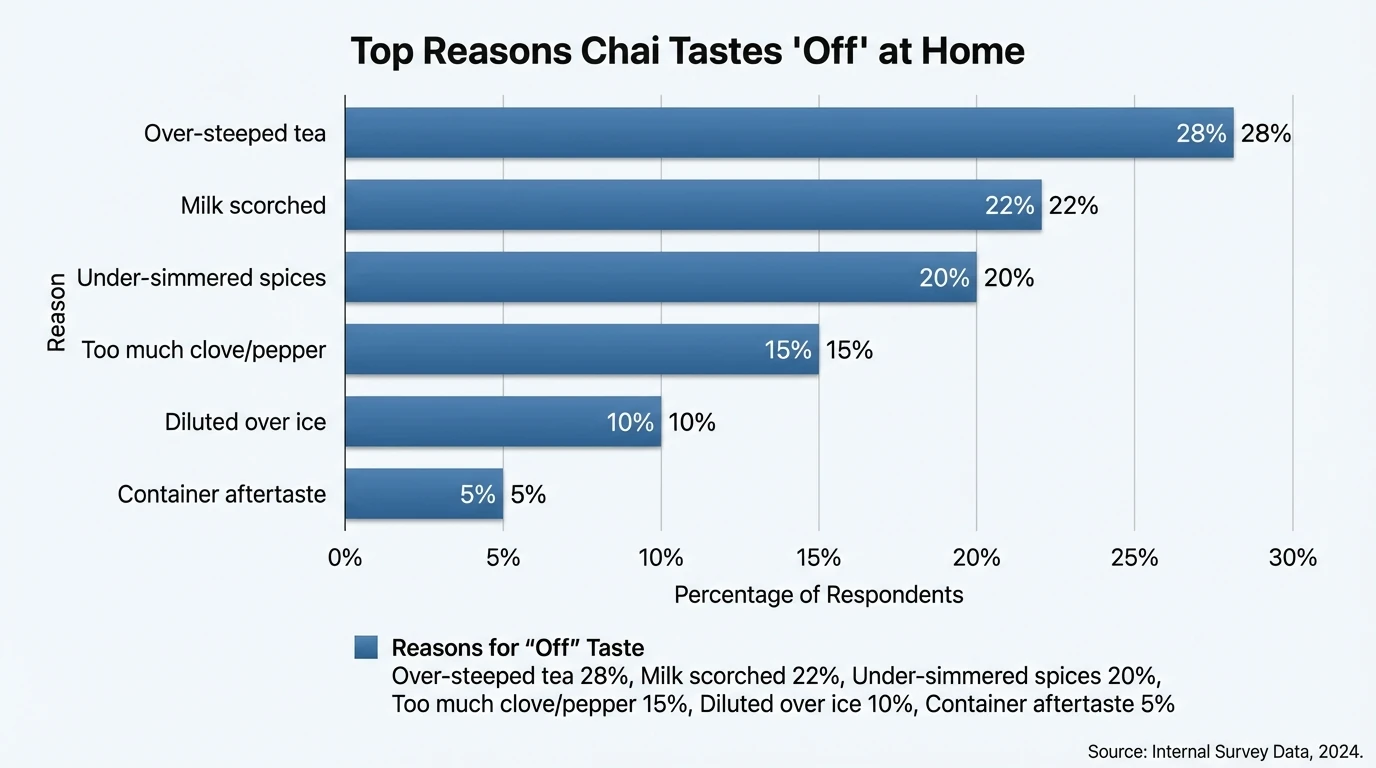
- Mistake: Boiling milk aggressively → Fix: Keep it at a gentle simmer to avoid scorched flavor.
- Mistake: Over-steeping black tea → Fix: Steep 3–5 minutes, then strain.
- Mistake: Too much clove → Fix: Use 1–2 cloves; clove dominates quickly.
- Mistake: Weak iced chai → Fix: Brew double strength, then ice.
- Mistake: Chalky spice grit → Fix: Strain finer or use larger spice pieces.
Conclusion: Say “Chai” or “Chai Chai Tea”—Just Make It Delicious
“Chai chai tea” may be redundant linguistically, but the craving it points to is real: a warm, spiced, comforting drink that feels like a small ritual. Once you understand the language and the basics of spice + tea extraction, you can order with confidence and brew a cup that tastes bold, balanced, and satisfying from first sip to last.
If you try the stovetop method (or have a favorite concentrate or spice blend), share what worked—and what didn’t—in the comments. And if you’re taking chai on the move, consider upgrading your on-the-go setup so your drink stays hot and true to flavor.
FAQ: Chai Chai Tea Questions People Also Ask
1) Is “chai chai tea” the same as masala chai?
Usually, yes in practice—people often mean spiced chai. Traditionally, masala chai is spiced tea made with black tea, milk, spices, and sugar.
2) Does “chai tea” literally mean “tea tea”?
In many languages, “chai” means “tea,” so “chai tea” is essentially “tea tea,” but it’s commonly used in English to describe spiced chai.
3) What spices are in chai chai tea?
Common spices include cardamom, cinnamon, ginger, cloves, and black pepper. Some blends add star anise, fennel, or vanilla.
4) Is chai chai tea caffeinated?
If it’s made with black tea, yes—typically moderate caffeine. Herbal or rooibos “chai” versions can be caffeine-free.
5) What’s better: chai concentrate, powder, or loose-leaf?
Concentrate is convenient, powder is fastest and often sweeter, and loose-leaf/whole spice gives the most control and aroma.
6) How do I keep chai hot for hours without it tasting weird?
Use high-quality insulated drinkware and avoid repeated microwaving, which can dull spices and change sweetness perception.
7) Why does my chai taste bitter?
Most often from over-steeping black tea or boiling too hard. Reduce steep time and keep the simmer gentle.