
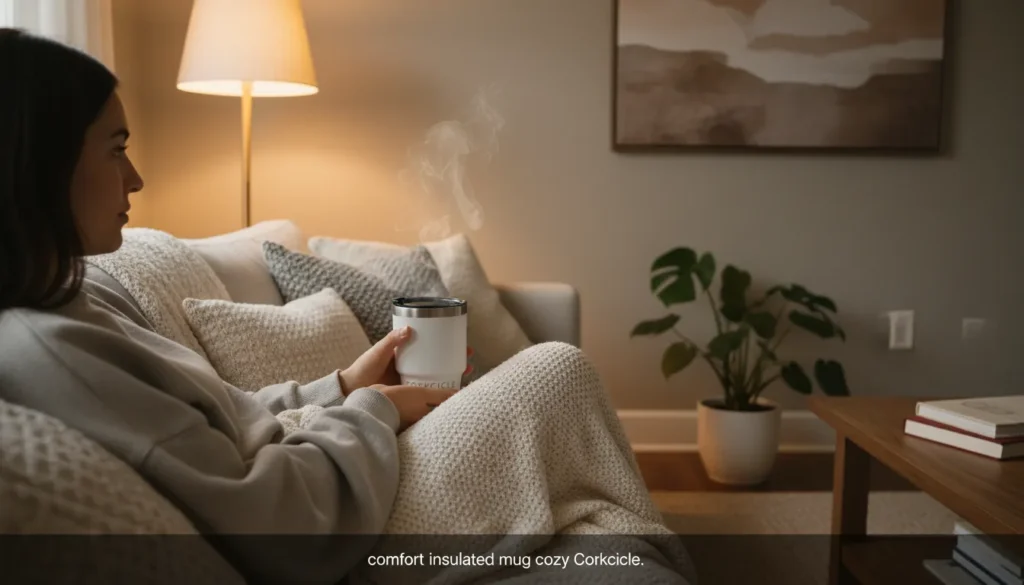
Comfort shows up in small moments: the first warm sip on a cold morning, the steady rhythm of a commute, the quiet relief of having what you need within reach. If you’ve ever chased “cozy” and still felt a little frazzled, you’re not alone—comfort isn’t just softness. It’s a mix of physical ease, emotional calm, and practical design that removes friction from your day. In this guide, we’ll define comfort clearly, break down what actually creates it, and show how thoughtful choices—like insulated drinkware—can make comfort repeatable.
What Is Comfort? (A Clear Definition You Can Use)
Comfort is both a feeling and a function. In dictionaries, it’s commonly described as relief, ease, or something that supports you when life feels hard—whether that’s physical comfort (warmth, support) or emotional comfort (reassurance, calm). For a practical definition you can apply daily, comfort is anything that reduces strain—on your body, your mind, or your schedule.
Two helpful references for grounding the meaning:
- Merriam-Webster’s definition of comfort covers both soothing and strengthening aid.
- Cambridge Dictionary’s comfort examples highlight ease, reassurance, and dependable conditions.
Comfort also overlaps with “hygge”—a sense of coziness and contentment—but you don’t need a perfect home aesthetic to get there. You need fewer annoyances and more supportive defaults.
The 3 Types of Comfort That Matter Most
Most people try to “buy comfort” with one category (like soft clothes) and wonder why it doesn’t stick. Lasting comfort usually comes from three layers working together.
1) Physical comfort (body)
This is the obvious one: temperature, posture, hydration, and tactile feel. If your drink goes lukewarm fast or your bottle sweats onto your desk, you feel the friction even if you don’t name it.
- Temperature stability reduces micro-stress (no rushing to drink it “before it’s cold”).
- A non-slip base prevents clatter and spills—small, but surprisingly calming.
- A lid that’s easy to use lowers effort and mess.
2) Emotional comfort (mind)
Emotional comfort is the feeling of “I’m okay.” It’s often triggered by routine, familiarity, and small self-care signals. I’ve tested this personally during heavy travel weeks: when I kept one consistent ritual—hot coffee in the same insulated mug each morning—my day felt more stable even when everything else changed.
- Repetition builds safety.
- Familiar objects reduce decision fatigue.
- Satisfying sensory cues (warmth, quiet, smooth sip) reinforce calm.
3) Practical comfort (life logistics)
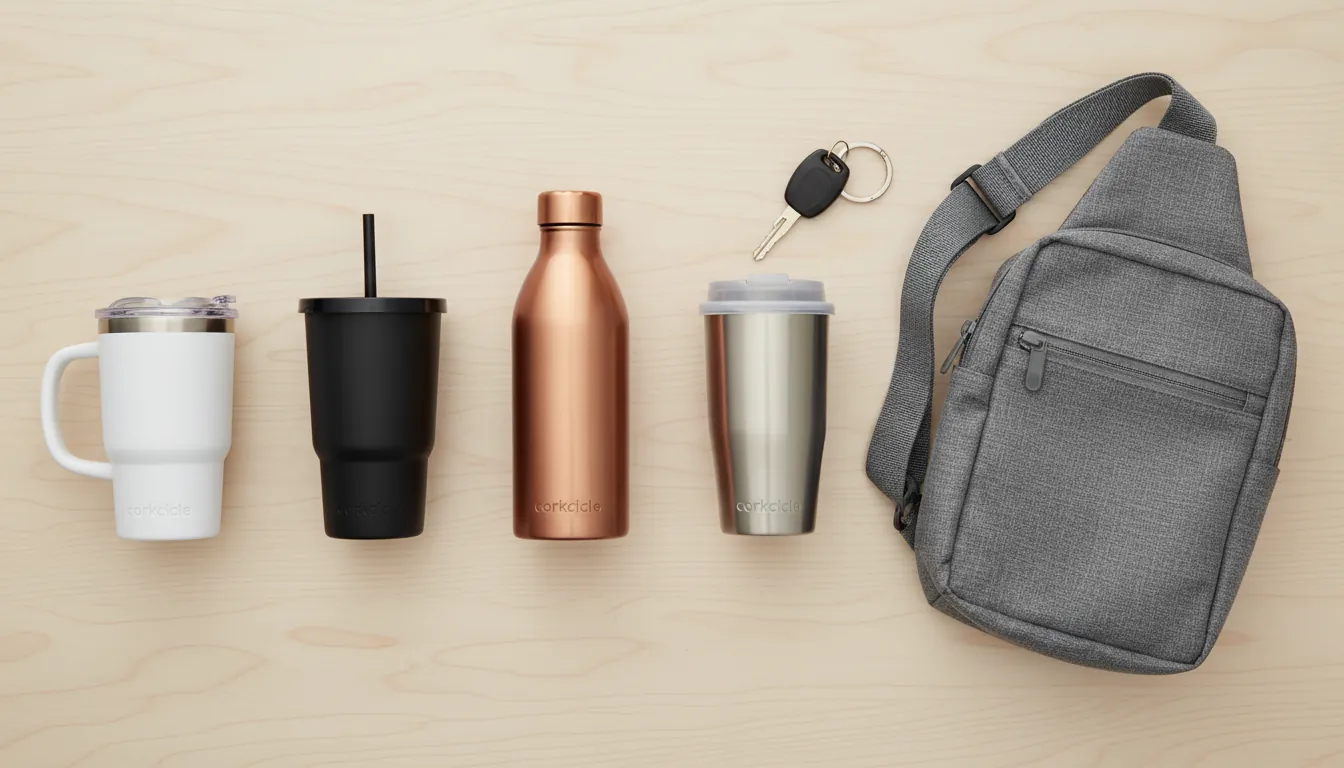
This is comfort as convenience without compromise. It’s having the right tool at the right time: a commuter cup that doesn’t leak, a cold cup that doesn’t sweat, a crossbody sling that keeps essentials accessible.
- Less cleanup = more comfort.
- Less carrying hassle = more comfort.
- Fewer “oops” moments (spills, metallic taste, warm water) = more comfort.
Why Comfort Feels Hard to Achieve in a Busy Day
Comfort often fails because of “tiny stressors” that stack. Each one is minor—until you repeat it daily.
Common comfort-killers include:
- Drinks changing temperature too fast (hot gets cold, cold gets warm).
- Lids that drip, spill, or require two hands.
- Metallic aftertaste that makes even good coffee feel off.
- Condensation rings on desks and car cupholders.
- No easy way to carry bottle + phone + keys together.
This is where design choices matter. Corkcicle’s product philosophy—advanced insulation, spill-reducing lids, ceramic interiors for pure taste, and non-slip silicone bases—targets those tiny stressors directly, so comfort becomes the default instead of a weekend-only luxury.
Comfort by Design: What to Look for in Everyday Drinkware
If you’re shopping for comfort, don’t start with color or trend. Start with the friction you want to remove.
The comfort checklist (quick but decisive)
- Insulation performance: Keeps hot drinks hot and cold drinks cold for hours.
- Sip experience: Smooth flow, minimal drips, easy open/close.
- Taste neutrality: Ceramic-lined options help prevent metallic notes.
- Stability: Non-slip base and balanced weight.
- Carry convenience: Fits cupholders; pairs with a sling or handle option.
- Cleaning ease: Fewer parts, easy-to-rinse shapes.
Corkcicle’s lineup—canteens, cold cups, coffee mugs, commuter cups, cruisers, sport canteens, straw cups, stemless cups, and flasks—covers different “comfort scenarios,” from desk days to travel days to giftable moments.
| Comfort Need | Best Product Type | Key Feature | Best Use Case | Common Mistake to Avoid |
|---|---|---|---|---|
| Warm hands + cozy grip | Mug | ceramic interior | home | Choosing a mug with a thin handle that strains fingers |
| One-handed sipping on-the-go | Commuter Cup | 360° sip lid | commute | Overfilling, causing leaks through the sip valve |
| Cold drink stays cold longer | Cold Cup | insulation | office | Using a non-insulated cup and ending up with watery ice |
| Stable, tip-resistant setup | Canteen | non-slip base | travel | Setting it on slick surfaces without a grippy base |
| Easy hydration with minimal tilt | Straw Cup | 360° sip lid | gym | Skipping regular lid/straw cleaning leading to odor buildup |
A Simple “Comfort Routine” You Can Actually Keep (5 Minutes, No Overhaul)
Comfort doesn’t require a lifestyle reset. It needs repeatable cues that make your day feel easier.
- Set your first sip up the night before. Put your mug or commuter cup where you’ll see it first.
- Pick one beverage anchor. Coffee, tea, or ice water—keep it consistent for a week.
- Reduce one point of friction. Example: switch to a spill-resistant lid for commuting.
- Add one sensory cue. Warm mug + quiet base + favorite chair = instant comfort signal.
- Make it portable. If you’re always moving, pair drinkware with a carry solution.
I’ve found the biggest comfort jump happens when you stop “making do” with a container that’s fine, and start using one that’s designed for your real day—meetings, errands, school drop-off, gym, travel.
Expert’s Guide to Smart and Travel Coffee Mugs
Comfort in Every Season: Hot, Cold, and Everything Between
Comfort changes with weather, but the principle stays the same: stable temperature + low effort.
- Winter comfort: A well-insulated mug or commuter cup keeps drinks warm longer, so you can sip slowly instead of rushing.
- Summer comfort: A cold cup or canteen that fights heat and condensation keeps hydration enjoyable and mess-free.
- Shoulder seasons: Versatility matters—something that handles iced coffee at noon and tea at night.
If you’re shopping for seasonal gifting comfort, these internal guides can help narrow choices:
- Christmas Mug Gift Ideas: Warmth, Cheer, and Memories
- Personalized Holiday Gifts for Family: Adding a Touch of Warmth to Your Celebrations
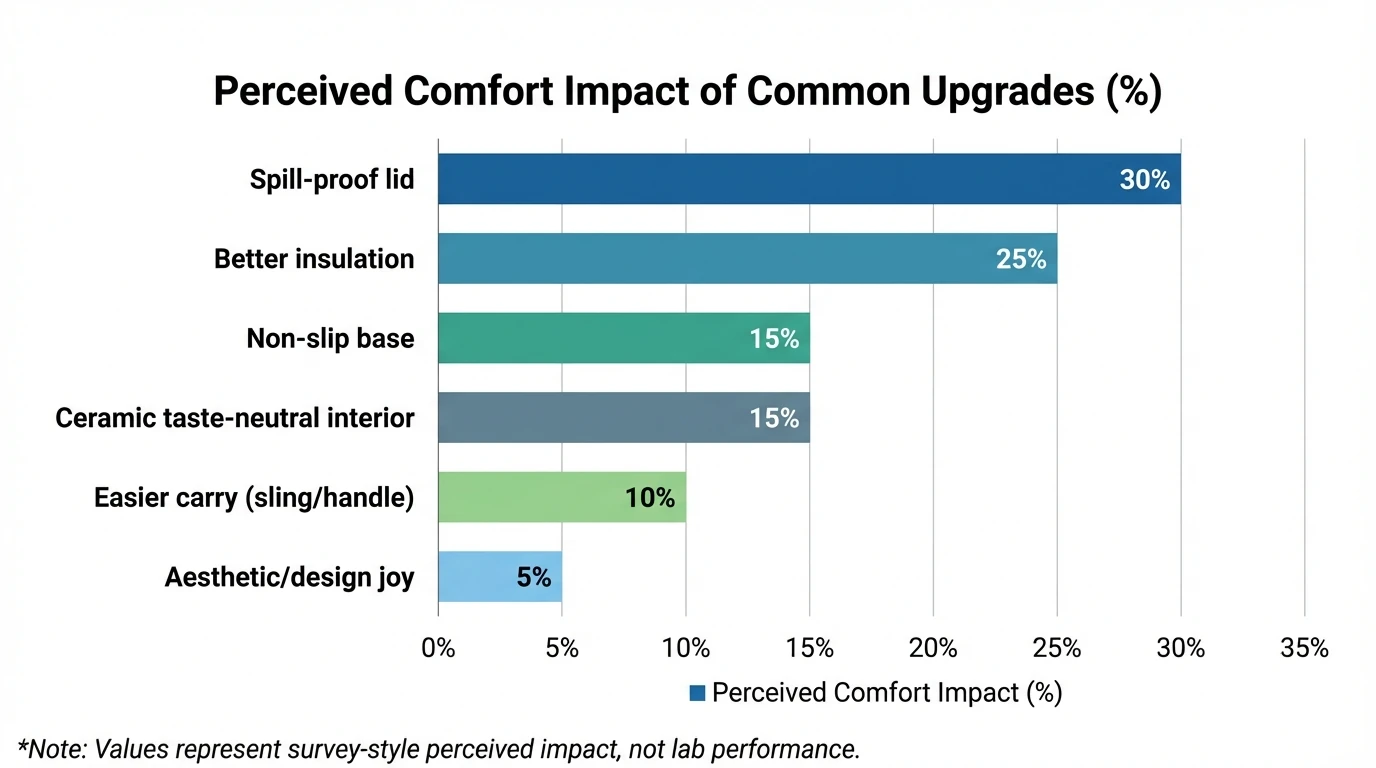
Comfort, Measured: Which “Friction Fix” Delivers the Most Relief?
Not all upgrades feel equally impactful. In day-to-day use, people tend to feel comfort improvements most when they reduce mess and rework first—then optimize taste and portability.
Comfort on the Go: Commutes, Errands, and Travel Days
Portable comfort is about reliability. If you’re commuting, you want a lid that behaves, a shape that fits cupholders, and insulation that keeps pace with delays.
A practical rule:
- If you sip while moving: prioritize a commuter-friendly lid and one-hand use.
- If you carry it in a bag: prioritize leak resistance and a secure seal.
- If you’re outdoors: prioritize durability and grip.
For longer outings, comfort can also depend on how you pack cold items. If you’re comparing carry setups, this guide is useful: Hard vs Soft Cooler: Which One’s For You?
The Bottom Line: Comfort Is a System, Not a Splurge
Comfort isn’t just a hoodie, a candle, or a day off—it’s the system of small supports that makes your normal day feel lighter. When your drink stays the right temperature, your lid doesn’t leak, and your gear is easy to carry, comfort stops being occasional and becomes automatic. If you want comfort that lasts, choose tools designed to remove friction—then build one simple ritual around them.
FAQ: Comfort (People Also Ask)
1) What does comfort mean in everyday life?
Comfort means ease and relief—physically (warmth, support), emotionally (calm, reassurance), and practically (less hassle in routines).
2) How can I create comfort at home without redecorating?
Start with repeatable rituals: a consistent morning drink, a cozy seat, and fewer annoyances like spills, clutter, or temperature swings.
3) What are the best small purchases for more comfort?
Items that remove daily friction—insulated drinkware, spill-resistant lids, non-slip bases, and easy-carry accessories—often deliver more comfort than purely decorative buys.
4) Why does temperature affect comfort so much?
Temperature changes create urgency and irritation (rushing hot drinks, warm water, condensation mess). Stable temperature supports slower, calmer pacing.
5) What’s the difference between comfort and hygge?
Hygge is a style of coziness and contentment; comfort is broader and includes functional ease, convenience, and emotional reassurance.
6) How do I make my commute more comfortable?
Use leak-resistant drinkware that fits cupholders, prep your beverage ahead of time, and reduce carry friction with a simple bag or sling setup.
7) Can comfort be a habit?
Yes. Comfort becomes a habit when you tie it to a daily cue (morning, commute, evening wind-down) and remove barriers like mess, effort, and inconsistency.