
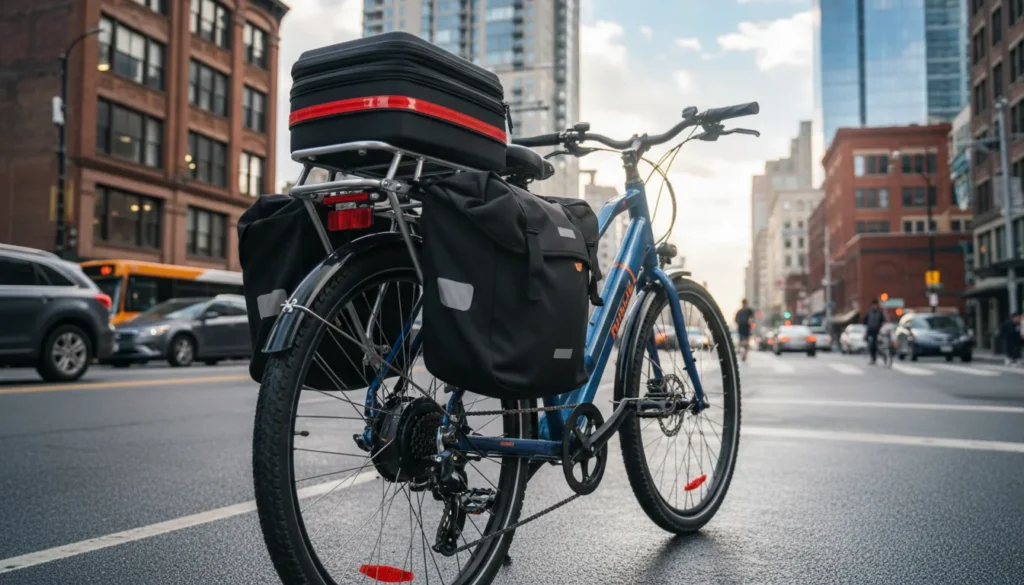
Rack for Bicycle: How to Choose the Right Bike Rack (Rear, Front, or Car Rack) for Everyday Riding and E-Bikes
A rack for bicycle sounds simple—until you’re staring at mounting points, weight limits, and bags that don’t fit the way you imagined. I’ve set up racks that felt rock-solid in the stand, then started swaying the first time I loaded groceries and hit a pothole. The good news: once you match the rack type to your bike, your cargo, and your riding style, a rack becomes one of the most useful upgrades you can make.

Why a Rack for Bicycle Is Worth It (Especially on an E-Bike)
A rack for bicycle turns your bike into a practical vehicle. Instead of riding with a sweaty backpack, you can move weight off your body and onto the frame, which usually feels more stable and comfortable. On e-bikes, racks are even more valuable because the motor helps offset added cargo weight, making commuting and errands easier.
Common wins riders notice fast:
- Comfort: less shoulder and lower-back strain than a backpack
- Capacity: groceries, work gear, kid gear, or a change of clothes
- Consistency: easier to ride more often when carrying stuff is simple
If your goal is to transport your e-bike by car, you’ll also want a vehicle rack solution—see Find the Best Bike Rack for Your Ebike for a practical starting point.
Types of Bike Racks: Which “Rack for Bicycle” Do You Mean?
“Rack for bicycle” can refer to two different categories: on-bike cargo racks and vehicle bike racks. Choosing the wrong category is the #1 source of confusion I see when riders shop quickly.
1) Rear cargo rack (on-bike)
Rear racks are the most common option for commuting and errands. They’re designed for panniers, trunk bags, and light top loads. A quality rear rack also gives you better tie-down points for straps and bungees.
Best for:
- Commuting and grocery runs
- Panniers and trunk bags
- Heavier, steadier loads than a front basket (in most cases)
2) Front rack (on-bike)
Front racks shine for quick-access items and smaller loads. They can make the bike feel more “planted” at low speeds, but too much weight up front can affect steering, especially on rough roads.
Best for:
- Smaller cargo you want to see or access
- Basket setups and quick errands
- Pairing with compatible add-ons like front rack friendly accessories
3) Hitch/roof/trunk rack (vehicle rack)
This is for transporting your bike by car. For many e-bikes, a hitch-mounted platform rack is the safest and easiest because e-bikes are heavier than typical acoustic bikes.
A solid example in this category is the Hollywood Racks Sport Rider Rack, which is designed with e-bike weight needs in mind.
The 6-Point Checklist: How to Choose the Right Rack for Bicycle
1) Confirm your rack’s real load rating (not just “it looks strong”)
Manufacturers list a maximum load for a reason. Overloading can lead to rack failure, bolt loosening, or poor handling. For e-bikes, also consider the dynamic load—bumps and braking multiply forces.
2) Match the rack to your bike’s mounting options
Most rear racks want:
- Rear eyelets near the dropout
- Upper mounts near the seat stays
Some bikes need adapters. If you’re unsure, a local shop can confirm fit in minutes.
3) Decide how you’ll carry cargo: panniers, trunk bag, basket, or straps
This is where many “universal” racks disappoint. A narrow top platform can be great for panniers but annoying for top loads. If you plan to carry boxes or pizza-style loads, look for a wider platform and better side rails.
4) Check heel clearance and bag clearance
I’ve seen riders buy great panniers and then clip their heel every pedal stroke. Look for racks designed to push panniers slightly rearward, or choose panniers with a recessed hook rail.
5) Consider brake and axle compatibility
Disc brakes and certain axle setups can interfere with some rack designs. Many modern racks account for this, but you still need to verify clearance around calipers and rotors.
6) Think about weather and corrosion
If you ride year-round, prioritize:
- Stainless or corrosion-resistant hardware
- Quality powder coating or anodizing
- Easy-to-replace bolts and standard fasteners
| Rack Type | Best Use | Typical Load Range | Pros | Cons | Watch For |
|---|---|---|---|---|---|
| Rear cargo rack (panniers/commute) | Daily commuting, errands, touring with panniers | 15–30 kg (33–66 lb) | Stable handling with panniers; versatile mounting options; good weight capacity | Requires frame eyelets or adapters; can affect heel clearance; adds bike weight | Rack compatibility (disc brakes/fender mounts); max weight rating; pannier heel strike/rail position |
| Front rack (basket/quick access) | Quick-access cargo, small grocery runs, bikepacking front load | 5–15 kg (11–33 lb) | Easy access; keeps cargo visible; works well with baskets/dry bags | Can affect steering (especially heavy loads); may require special fork mounts | Fork/axle mount style; headlight/fender clearance; steering stability with load |
| Seatpost-mounted rack (light loads only) | Small bag, short trips on bikes without rack mounts | 5–10 kg (11–22 lb) | Quick install/removal; fits many frames; no eyelets needed | Less stable; higher center of gravity; can slip/rotate; limited capacity | Seatpost material (avoid carbon unless approved); clamp diameter/torque; sway with heavier loads |
| Vehicle hitch platform rack (transport e-bikes) | Carrying heavy bikes/e-bikes on a car | 45–90 kg total (100–200 lb), typically 20–30 kg (45–66 lb) per bike | High weight capacity; easiest loading; stable; minimal frame contact on many models | Expensive; adds rear length; can block hatch/camera/sensors | Hitch class/receiver size; per-bike rating for e-bikes; tire width/wheelbase limits; wobble/anti-rattle hardware |
| Roof rack (light bikes/aero) | Occasional transport of lighter bikes when hitch/trunk not ideal | 15–20 kg (33–44 lb) per bike | Keeps access to trunk/hatch; good for multiple bikes; no rear overhang | Hard to lift bike overhead; wind noise/drag; height clearance issues | Vehicle/bike height clearance (garages/drive-thrus); fork/thru-axle compatibility; secure straps and torque |
| Trunk strap rack (occasional use) | Infrequent trips with standard bikes | 25–45 kg total (55–100 lb) depending on model | Low cost; fits many cars; easy storage | Can scratch paint; less stable; limited compatibility with some car shapes; often not e-bike rated | Strap routing/anchor points; trunk/hatch clearance and spoiler interference; frame contact protection; exhaust/heat and visibility of plate/lights |
Installation Tips That Prevent Wobble, Noise, and “Rack Creep”
A rack for bicycle usually fails in the small details—bolt tension, alignment, and thread security. When I install racks for friends, the biggest improvement comes from slowing down and aligning everything before tightening.
Use this quick process:
- Dry-fit first: loosely thread all bolts so the rack can self-align.
- Center the rack: check it’s straight over the wheel and not rubbing fenders.
- Tighten evenly: alternate sides to avoid twisting the rack.
- Re-check after 1–2 rides: bolts can settle; a second torque check prevents most rattles.
If you’re carrying meaningful weight, consider having a shop verify torque and alignment—especially on e-bikes where speed and load are higher.

Safety and Handling: How a Loaded Rack Changes the Ride
A rack for bicycle changes center of gravity, braking distance, and low-speed balance. Rear loads tend to feel stable, but can lighten the front wheel if overloaded. Front loads improve traction up front but can make steering feel heavy.
Practical handling rules:
- Keep heavy items low and centered (panniers > top platform for big loads).
- Balance left/right weight to reduce sway.
- Increase following distance—cargo adds momentum.
- Use two independent retention methods (e.g., pannier hooks + a strap).
When You Need a Vehicle Rack Instead (And What E-Bike Riders Should Prioritize)
If your goal is road trips, trailheads, or RV travel, you’re shopping for a rack for bicycle that mounts to your car. For e-bikes, prioritize:
- Per-bike weight capacity that exceeds your bike’s weight
- Wheel-tray or tire-hold designs to reduce frame contact
- Anti-wobble hitch tightener and integrated locks (or add-ons)
- Ramp compatibility if lifting is a concern
For more trip-focused planning, it also helps to read Rack n’ Roll! Take your Ebike on a Summer Road Trip.
The Best Bike Racks for Ebikes? I’m glad you asked…
Expert-Backed Buying Signals (What Quality Brands Consistently Get Right)
Across reputable rack makers, the same quality cues show up: realistic load ratings, robust welds, hardware that doesn’t strip, and fit systems that don’t rely on “hope and friction.” Browsing established rack catalogs can help you learn the language of rack design and intended use—see examples from Old Man Mountain bike racks and Blackburn bicycle cargo racks.
What I personally look for before buying:
- Published specs and compatibility notes (disc, axle, wheel size)
- Replaceable parts (hardware kits, straps, trays)
- Clear guidance for pannier fit and rail diameter
- A warranty that matches the price and intended load
Conclusion: Pick the Rack for Bicycle That Matches Your Real Life
A rack for bicycle is at its best when it disappears into your routine—quiet, stable, and always ready. If you commute, a rear rack plus panniers is usually the most versatile starting point. If you’re transporting an e-bike by car, choose a hitch rack built for e-bike weight, and don’t compromise on capacity or stability.
FAQ: Rack for Bicycle (Common Search Questions)
1) What is the best rack for bicycle commuting?
A rear cargo rack with panniers is usually best because it keeps weight low and stable while freeing your back from a backpack.
2) Can I use a standard bike rack for an e-bike?
Sometimes, but you must confirm the weight rating and compatibility. Many e-bikes are heavier, and vehicle racks especially need e-bike-rated capacity.
3) How much weight can a rear bicycle rack hold?
It depends on the model and mounting system. Always follow the manufacturer’s rating and remember bumps increase real-world forces.
4) Are front racks safe for heavier loads?
Front racks can be safe for moderate loads, but heavy weight up front can affect steering and handling. Keep loads compact and avoid overloading.
5) Do panniers fit any rack for bicycle?
Not always. Hook spacing, rail diameter, and heel clearance matter. Check pannier and rack compatibility before buying.
6) What’s better for e-bikes: hitch rack or trunk rack?
For most e-bikes, a hitch-mounted platform rack is safer and easier because it handles higher weight and offers better stability than many trunk racks.