
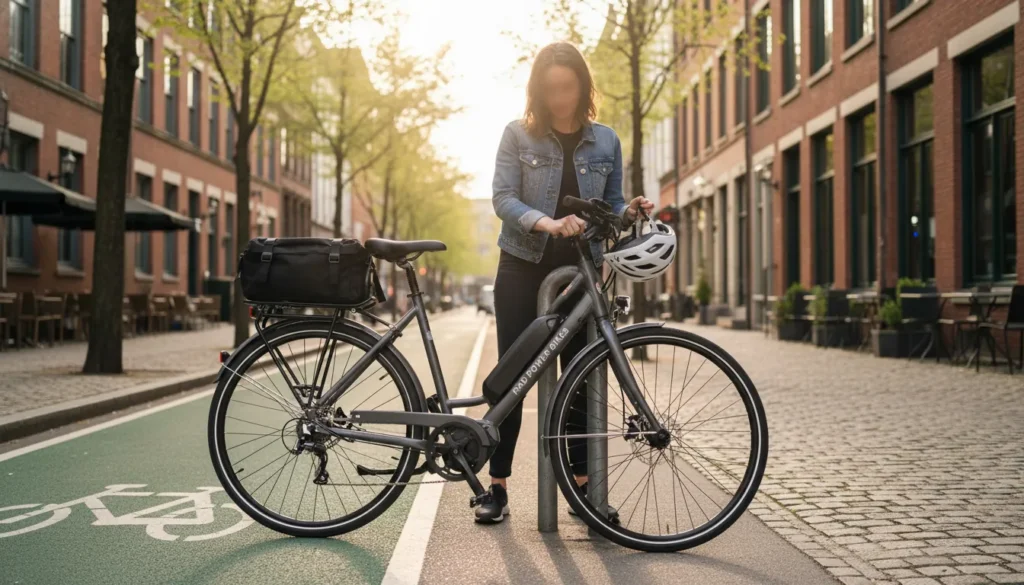
When a weekday commute feels like a battle—traffic, parking, and “I’ll be late” stress—rad bikes tend to show up in the same daydream: glide past gridlock, carry what you need, and arrive with energy left. That’s the promise that made Rad Power Bikes a household name in ebikes: accessible pricing, real-world utility, and a huge rider community. If you’re deciding whether rad bikes fit your life (and which style fits best), this guide breaks it down with clear tradeoffs, shopping tips, and setup advice.

What “Rad Bikes” Usually Means (and Why People Choose Them)
In most searches, rad bikes refers to Rad Power Bikes ebikes—direct-to-consumer electric bicycles designed for everyday transportation. The brand built its reputation on practical features: sturdy frames, useful racks, comfortable geometry, and a support model that combines online ordering with local service partners. In my experience test-riding utility-style ebikes, the biggest “aha” is how quickly errands become simple when the bike is built to haul and stay stable at low speeds.
Rad Power Bikes also leans into approachability. You don’t need to be a cyclist to enjoy one, and you don’t need a garage full of tools to keep it running if you use their partner network. That mix is a major reason rad bikes are often recommended to new ebike riders.
Rad Power Bikes Lineup: Which Type Matches Your Riding?
Rad’s catalog is built around use-cases, not hype. Think of it as choosing a “vehicle role” first, then dialing in accessories and fit.
1) City Cruisers & Commuters (daily miles, sweat-free arrival)
Commuter-focused rad bikes prioritize comfort, visibility, and predictable handling in traffic. Look for mounts and rack compatibility if you’ll carry a laptop bag or panniers. If your rides include hills or frequent stops, pay attention to braking feel and how natural the assist transitions are.
A smart starting point for lighter, simpler handling is the RadKick line—especially if you’re carrying the bike up steps or storing it inside. Browse the current options here: radkick electric lightweight bikes.
2) Cargo & Utility (kids, groceries, gear—no car needed)
Cargo-style rad bikes are the “minivans” of ebikes: stable, confidence-inspiring, and built for load. For families and errand runners, accessory fit is everything—seats, racks, baskets, and storage solutions. If you want a utility platform with a big ecosystem, the RadRunner family is the common entry point: RadRunner™ Electric Cargo Utility Bikes.
If you already own a RadRunner (or plan to), it’s worth planning your setup up front so you don’t buy parts twice. Start with the official accessory ecosystem: radrunner electric utility bike accessories.
3) Off-Road & All-Terrain (traction, comfort, and control)
Trail and mixed-surface riding demands tires and geometry that stay composed on loose ground. All-terrain rad bikes are best when your “normal” route includes gravel, potholes, or park paths. For most riders, the real win is comfort and stability—less getting bounced around means you ride more often.
4) Folding, Step-Thru, Trikes, and Fat Tire options (fit and constraints)
If storage space is tight, folding models matter. If mobility or flexibility is a concern, step-thru frames make riding feel more accessible. If balance is the main worry, trikes can add confidence—though they handle differently than two-wheel bikes, especially on uneven surfaces.
How to Choose the Right Rad Bike: A Simple Checklist
Before you compare models, answer these questions. It saves time and prevents “feature regret.”
- Your main mission: commuting, cargo, recreation, or mixed use
- Terrain: flat city streets, hills, gravel, or snow/sand
- Storage: elevator? stairs? small apartment? garage?
- Rider fit: step-thru vs step-over, comfort posture vs sporty
- Cargo needs: child seat, panniers, front basket, trailer compatibility
- Service plan: DIY basics vs local shop partner support
If you’re torn between two categories, choose based on cargo and storage. In real-world ownership, those two factors drive satisfaction more than top speed or marketing claims.
Real Ownership Costs: What People Forget to Budget For
Most buyers focus on the bike price, then get surprised by the “day two” essentials. With rad bikes, I’ve found the best experiences come from planning a complete commuting or cargo setup from the start.
Typical add-ons to consider:
- Security: quality lock(s) and a strategy for where you park
- Storage: rear rack add-ons, basket, panniers, or cargo platforms
- Comfort: seat, grips, and a mirror if you ride in traffic
- Weather: lights, rain gear, and fenders if not included
- Maintenance: brake pads, chain lube, and periodic tune-ups
| Rider Type | Must-Have Accessories | Nice-to-Have Accessories | Estimated Add-On Budget |
|---|---|---|---|
| Commuter | U-lock + cable, front/rear lights, rear rack, fenders, phone mount | Mirror, panniers, upgraded saddle, puncture-resistant tires, extra charger | $200–$500 |
| Cargo/Family | Front or rear cargo rack, child seat or caboose/rails, heavy-duty lock, lights | Cargo baskets/bins, running boards/foot pegs, weather canopy, spare tubes + pump | $350–$900 |
| Weekend Explorer | Helmet, lights, repair kit (tube/levers/CO₂ or pump), bottle cage, basic lock | Handlebar bag, rear rack + trunk bag, off-road/grippier tires, suspension seatpost | $150–$450 |
| Apartment/Folding User | Compact lock, folding pedals (if applicable), small pump, lights, portable cover | Wall/vertical storage mount, compact pannier/backpack adapter, quick-release accessories | $120–$350 |
Performance and Safety: What Matters More Than Specs
Spec sheets are useful, but the ride experience depends on a few practical factors:
- Braking confidence: Strong, predictable braking matters more than raw motor power in city riding.
- Load stability: Cargo bikes should feel steady when starting, stopping, and turning with weight.
- Fit and posture: A comfortable position reduces fatigue and makes you ride more.
- Support and parts: A broad service network and available accessories reduce downtime.
Rad Power Bikes’ model—direct sales plus local shop partners—helps here. If you’re not mechanically inclined, that service pathway can be a deciding factor for rad bikes versus smaller brands.
Common Rad Bike Problems (and How to Fix Them Fast)
Most “issues” new owners report are setup or habits, not defects. Here are the frequent ones and what to do.
- Range feels lower than expected
- Check tire pressure, cargo weight, headwinds, and assist level choices.
- Cold weather can reduce battery performance temporarily.
- Brakes squeal or feel weak
- New pads often need a proper bed-in.
- If stopping power doesn’t improve, get a brake inspection.
- Handling feels heavy
- Utility frames are built for stability; lighten your load and adjust cockpit fit.
- Consider a lighter model if you carry the bike often.
If you want a quick “what to check first” visual, a chart helps prioritize the likely causes.

Accessories That Make Rad Bikes Feel “Dialed In”
Accessories aren’t just extras—they change how often you ride. For utility riders, the right add-ons can replace car trips.
Top upgrades that deliver real value:
- Cargo system: rack + basket/panniers matched to your daily loads
- Visibility: daytime running lights and reflective elements
- Comfort and control: ergonomic grips, a mirror, and a phone mount
- Weather readiness: fenders and a simple rain plan
If you’re building a commuting kit around newer commuter platforms, model-specific parts matter. For example, Radster riders can shop compatible options here: radster road electric commuter bike accessories.

E-E-A-T Reality Check: Brand Reputation, Community, and What to Verify
Rad Power Bikes is widely known, and there’s a large owner community sharing tips and setup ideas. I’ve personally found that owner groups are most useful for accessory combinations, tire choices, and “how I carry X” inspiration—not for diagnosing safety-critical problems. For anything involving brakes, wheels, or electrical faults, it’s best to use official support or a qualified shop.
To sanity-check your purchase and ownership plan, use a mix of sources:
- Brand and warranty details from the official site: Rad Power Bikes official website
- Dealer/service perspective (example of an authorized dealer page): Current eBikes Rad Power Bikes overview
- Community discussion and rider experiences (use discernment): Rad Power Bikes Owners Community on Facebook
Watch: How to Test Ride and Compare Rad Bikes in 15 Minutes
Meet the New RadRunners | Electric Cargo Bikes | Rad Power Bikes
Conclusion: Are Rad Bikes Worth It?
Rad bikes make the most sense when you want a dependable, practical ebike that’s built around real errands and real commutes—not just weekend rides. If you pick the right category (commuter vs cargo vs all-terrain) and budget for the accessories that match your routine, a Rad can quickly replace short car trips and make riding feel like the easy option. I’ve found the “best” Rad setup is the one that removes friction: easy to park, easy to carry your stuff, and easy to service.
FAQ: Rad Bikes (Rad Power Bikes) Questions People Ask
1) What are “rad bikes”?
Most people mean Rad Power Bikes ebikes—electric bicycles designed for commuting, cargo hauling, and recreation, sold direct-to-consumer with service partner support.
2) Which Rad bike is best for commuting?
Choose a commuter/city model if you ride mostly pavement and want comfort, visibility, and easy cargo options. If you carry lots of gear, consider a utility model instead.
3) Are Rad bikes good for carrying kids and groceries?
Yes—cargo/utility models are designed for hauling. The key is choosing the right accessory setup (seats, racks, baskets, and panniers) for your typical loads.
4) How far can rad bikes go on a charge?
Range depends heavily on assist level, rider/cargo weight, terrain, wind, and tire pressure. Treat published ranges as best-case and plan for variability.
5) Do I need a local bike shop to maintain a Rad ebike?
Not strictly, but it helps. Many owners handle basics (tires, chain, brake pads) and use a shop for deeper service or diagnostics.
6) What accessories are essential for rad bikes?
A strong lock, lights/visibility upgrades (if needed), and cargo solutions (rack, panniers, basket) are the most common “ride-more-often” essentials.
7) How do I choose between a lightweight Rad and a utility RadRunner-style bike?
Pick lightweight if you carry the bike (stairs, transit, tight storage). Pick utility if you carry cargo often and want maximum stability and accessory options.