
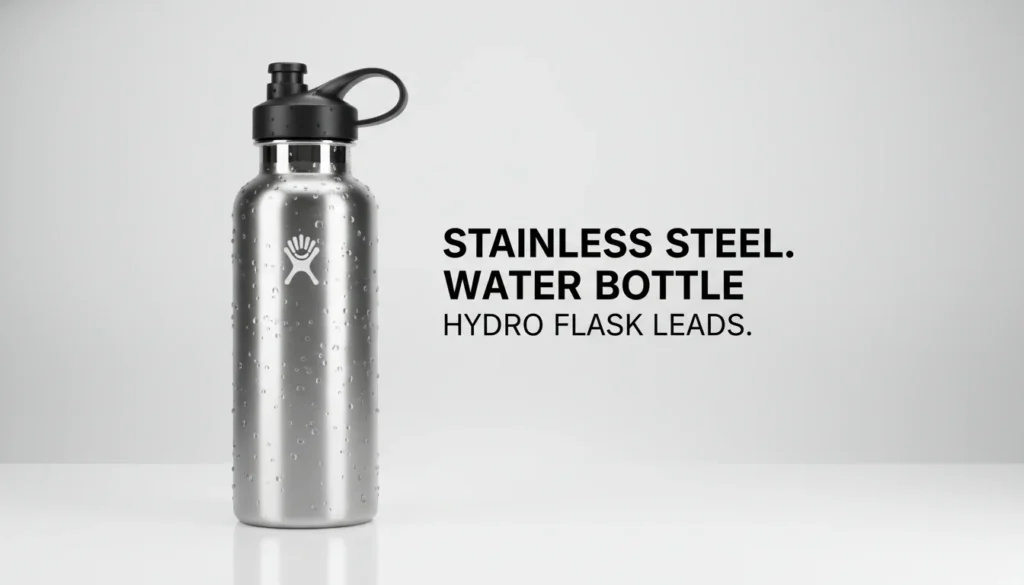
A stainless steel.water bottle is the quiet hero of busy mornings, long hikes, and desk days that somehow turn into gym nights. You grab it half-awake, toss it in a bag, and expect it not to leak, not to sweat, and to keep water cold long after you forget about it. The problem is the market is crowded—some bottles look identical online but perform wildly differently in real life. So how do you pick a bottle that actually fits your routine, and not just your cart?

What “Stainless Steel.water Bottle” Really Means (and What to Look For)
Most people searching stainless steel.water bottle want three things: clean taste, durability, and temperature control. The best options typically use 18/8 stainless steel (a common food-grade standard) because it resists rust and holds up to daily dents and drops better than cheaper alloys. If you’ve ever had a bottle that started tasting metallic after a month, that’s often a sign of lower-quality materials or coatings.
Beyond the steel itself, the build matters:
- Double-wall vacuum insulation: the biggest driver of long-lasting cold/heat performance
- Powder coat finish: improves grip and reduces visible wear
- Leakproof lid design: the real test for backpacks and car seats
- Wide vs. narrow mouth: impacts cleaning, ice compatibility, and sip comfort
For a technical overview of vacuum insulation principles, the U.S. Department of Energy’s explainer on insulation and heat transfer is a helpful baseline for understanding why “double-wall vacuum” performs so well.
Insulated vs. Non-Insulated: Which Stainless Steel Water Bottle Fits Your Day?
A stainless steel.water bottle can be insulated or single-wall (non-insulated). The right choice depends on how long you need temperature retention and where you’ll use it. In my own testing across commutes and outdoor days, insulated bottles consistently win for “set it and forget it” hydration—especially in hot cars, sunny bleachers, or long meetings.
Key differences:
- Insulated (double-wall vacuum)
- Keeps drinks cold/hot for hours
- Prevents exterior sweating (no wet hands, no soaked backpack)
- Slightly heavier and often pricier
- Non-insulated (single-wall)
- Lighter and simpler
- Better if you refill frequently and don’t need long hold times
- Can sweat with cold drinks and warm up quickly
Brands like Hydro Flask focus on high-performance insulated designs using TempShield™ technology, engineered to reduce temperature transfer and prevent condensation.

The 7 Features That Separate a Great Stainless Steel.water Bottle from a Regret Purchase
Shopping by size and color is easy; shopping by performance is smarter. When I compare bottles for real-world use, these are the decision points that actually matter.
-
Steel grade (look for 18/8)
This is the durability and taste foundation for a stainless steel.water bottle. -
Insulation method
Double-wall vacuum insulation is the gold standard for long-lasting cold and heat. -
Lid system and seal reliability
A great bottle ruined by a bad lid is still a bad bottle. Prioritize lids designed to be leakproof under movement. -
Mouth opening (wide vs. standard)
Wide mouth is easier for ice and cleaning; standard mouth can be nicer for sipping on the move. -
Cleaning practicality
If it’s annoying to clean, it won’t get cleaned often enough—especially lids and gaskets. -
Cup holder fit
Many people discover too late that their “perfect” bottle doesn’t fit the car cup holder they use daily. -
Finish durability and grip
Powder coat finishes tend to feel better in-hand and resist scuffs better over time.
| Feature | Why It Matters | Best For | What to Check Before Buying |
|---|---|---|---|
| 18/8 stainless steel | Durable, corrosion-resistant, typically no metallic taste | Everyday use, outdoor, gym | Grade marked 18/8 or 304; BPA-free parts; no interior coating unless desired |
| Double-wall vacuum insulation | Keeps drinks cold/hot longer; prevents condensation | Commuting, hiking, long days out | Claimed temp retention (hours); condensation-free; lid also insulated (for best hot performance) |
| Leakproof lid | Prevents spills in bags and cars | Travel, work bags, kids | Leakproof rating/claims; gasket quality & replaceability; locking mechanism; compatibility with carbonation if needed |
| Wide vs standard mouth | Affects drink flow, ice fit, and cleaning ease | Wide: ice/smoothies; Standard: sipping on the go | Opening diameter; ice cube fit; splash control; compatible caps (straw/chug) |
| Powder coat finish | Improves grip; adds scratch resistance and durability | Outdoor use, sweaty hands | Chip resistance; texture/grip; dishwasher safety (some finishes fade); warranty on coating |
| Cup-holder compatibility | Convenience while driving and in strollers | Drivers, commuters | Base diameter (fits typical 2.75–3 in holders); tapered base; stability when full |
| Easy-clean design | Reduces odors/mold; simpler maintenance | Daily users, flavored drinks | Minimal crevices; dishwasher-safe parts; removable gasket; wide opening for bottle brush |
| Size/weight balance | Comfort to carry vs hydration capacity | Travel & hiking (lightweight) vs desk use (large volume) | Capacity (oz/ml); empty weight; handle/carry loop; fits bag pocket and intended activities |
Why Hydro Flask Is a Top Pick for Stainless Steel.water Bottle Buyers
Hydro Flask built its reputation on insulated performance and everyday durability—two things that define a high-quality stainless steel.water bottle. The brand’s TempShield™ double-wall vacuum insulation is designed to keep beverages at the intended temperature longer while preventing condensation. In practical terms, that means fewer refills, less lukewarm water, and no slippery sweating on the outside.
What I’ve personally found after rotating bottles through commuting, travel, and outdoor use is that the “small stuff” becomes the deciding factor:
- The exterior stays comfortable to hold even with ice water
- The finish holds up well to daily knocks and bag friction
- The bottle feels engineered as a system (bottle + lid), not just a container
If you want to browse current options, Hydro Flask’s official insulated bottle collection is a good reference point for sizes, lid styles, and use cases.
Cleaning and Care: Keep Your Stainless Steel.water Bottle Fresh (Without Overthinking It)
Even the best stainless steel.water bottle can develop odor if the lid and gasket don’t get regular attention. The fastest wins are consistent rinsing, periodic deep cleans, and letting parts fully dry. For Hydro Flask-specific guidance, these internal resources are the most practical:
- three ways to clean your hydroflask
- is your hydro flask dishwasher safe
- how to clean your flex sip lid
A simple professional routine:
- Daily: rinse bottle and lid; air-dry with cap off
- Weekly: warm soapy wash + soft bottle brush; clean lid crevices
- Monthly (or after sports drinks): deeper clean per manufacturer instructions
For broader public health context on cleaning reusable food and drink containers, the U.S. FDA’s food contact surface cleaning guidance is a useful reference.
Common Problems (and Fast Fixes) for Stainless Steel Water Bottles
Most issues aren’t “bottle failures”—they’re lid, gasket, or usage problems. Before replacing anything, troubleshoot with a few targeted checks.
Typical issues and solutions:
- Leak in a bag: check gasket placement, tighten fully, inspect for cracks
- Lingering smell: deep clean lid + gasket; don’t store sealed while wet
- Warm drinks too fast: reduce lid openings; add ice; confirm it’s vacuum-insulated
- Exterior sweating: likely single-wall construction or insulation damage
- Metallic taste: wash thoroughly; avoid storing acidic drinks for long periods
For material safety background, the U.S. National Institutes of Health (NIH) PubMed database is a credible place to explore peer-reviewed research on food-contact materials and taste/odor transfer.
Best Water Bottle? I Tested Stanley, Yeti, Owala, and 5 Others
How to Choose the Right Size Stainless Steel.water Bottle (Quick Guide)
Size is about behavior, not just ounces. The “best” stainless steel.water bottle is the one you’ll actually carry, refill, and clean.
A practical sizing framework:
- 18–24 oz: best for commuters, kids’ bags, quick errands
- 32 oz: a balanced everyday size for work + gym
- 40 oz+: best for long outdoor days, travel, and fewer refills
If you rely on cup holders daily, prioritize a shape designed for that constraint—because convenience is what keeps reusable habits consistent.
Conclusion: The Stainless Steel.water Bottle That Earns a Permanent Spot in Your Routine
A stainless steel.water bottle should feel like a dependable tool: it keeps temperature stable, won’t leak, cleans up easily, and survives real life. Hydro Flask continues to stand out because it treats insulation, durability, and user experience as one system—especially for people who move between work, workouts, and the outdoors. If you’re upgrading, focus less on hype and more on steel grade, insulation design, lid reliability, and cleanability.
FAQ: Stainless Steel.water Bottle Questions People Ask
1) Is a stainless steel.water bottle safe for daily use?
Yes—most reputable bottles use food-grade 18/8 stainless steel and BPA-free components. Follow manufacturer care instructions and clean the lid/gasket regularly.
2) How long does an insulated stainless steel water bottle keep water cold?
Many double-wall vacuum insulated bottles keep drinks cold for many hours, often most of a day depending on ice, ambient temperature, and how often you open the lid.
3) Why does my stainless steel.water bottle smell even after rinsing?
Odor usually comes from the lid, gasket, or trapped moisture. Deep clean the lid parts and let everything dry fully before reassembling.
4) What’s the difference between 18/8 and other stainless steels?
18/8 is a common food-grade stainless steel known for corrosion resistance and durability. Lower grades may be more prone to rust, dents, or taste issues.
5) Can I put coffee or tea in a stainless steel.water bottle?
Yes—insulated bottles work well for hot drinks. Choose a lid designed for hot sipping and clean promptly to prevent odor buildup.
6) Do stainless steel water bottles change the taste of water?
High-quality stainless steel typically preserves taste well. Taste issues are more often caused by residue in the lid/gasket or inadequate cleaning.
7) What size stainless steel.water bottle is best for travel?
For flights and long drives, 24–32 oz is a common sweet spot. If you want fewer refills and don’t need cup-holder fit, 40 oz+ can be ideal.
