
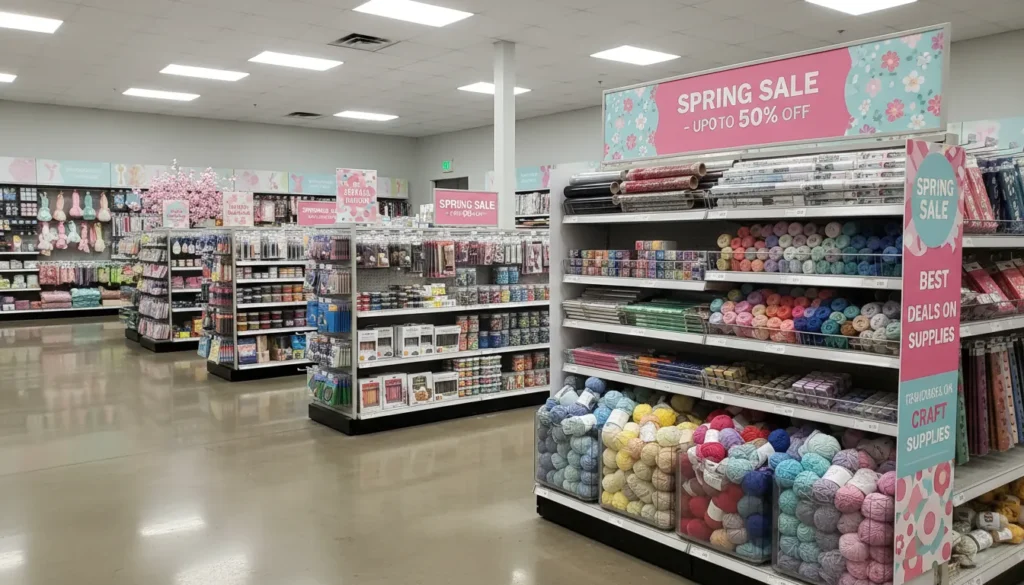
You’ve got a project in mind—maybe a last-minute party banner, a custom wedding gift, or a new resin hobby—and you type “crafts stores near me” hoping for one thing: the right supplies at the right price. Then you walk in and see a wall of options (and coupons that may or may not apply). So how do you actually shop crafts stores like a pro and consistently land the best deals?
This guide breaks down seven practical ways to find bargains at crafts stores near me, plus what to buy where, what to price-check, and how maker tools (including xTool) can reduce repeat supply runs.

Why “crafts stores near me” can have wildly different prices
Even within the same chain, crafts stores vary by location due to regional promos, seasonal resets, and inventory pressure. In my experience stocking materials for laser engraving and DIY gift batches, the biggest price swings happen in three areas:
- Seasonal décor and faux florals (deep discounts after holidays)
- Brand-name tools (rotating “weekly deal” pricing)
- Consumables like vinyl, blanks, and adhesives (coupon exclusions differ)
If you treat every visit like a mini procurement run—plan, compare, and stack discounts—you’ll stop overpaying.
7 ways to find the best deals at crafts stores near me
1) Use store apps and email lists to unlock “real” pricing
Many crafts stores near me show high shelf prices because the real discount is app-based. Store apps commonly include:
- Weekly ad previews and “doorbuster” categories
- One-click digital coupons (some are single-use per day)
- Reward points and member-only pricing
Tip from the trenches: I keep a dedicated email for craft coupons so promo codes don’t get buried, especially around major sale weeks.
2) Learn the sale cycles (and buy seasonal items off-season)
This is the simplest way to win at crafts stores: buy what’s not trending today.
- Buy Christmas ribbon in January
- Buy wedding décor after peak summer weekends
- Buy Halloween blanks the week after Halloween (for next year)
When you see 60–80% off clearance, it’s often the store “resetting” space. That’s your moment.

3) Compare Michaels vs. Hobby Lobby vs. local shops (without overthinking it)
People ask, “Is Michaels or Hobby Lobby cheaper for crafts?” The practical answer: it depends on what you’re buying and whether coupons apply.
Here’s a quick “what to expect” comparison you can use when searching crafts stores near me:
| Store type | Often best for | Deal strategy that works | Watch-outs |
|---|---|---|---|
| Big-box chains (e.g., Michaels) | Broad selection, higher-end lines, framing, seasonal variety | Stack rewards + app coupons; shop weekly ad loss-leaders | Shelf price can be high without promos |
| Big-box chains (e.g., Hobby Lobby) | Everyday-looking lower prices on comparable basics | Time purchases around rotating category sales | Coupon policies differ; some brands/categories excluded |
| Fabric-focused retailers | Fabric, patterns, sewing notions | Track pattern/fabric doorbusters | Inventory can swing a lot by location |
| Independent craft stores | Specialty materials, classes, curated tools | Ask about loyalty cards and class bundles | Less likely to have huge clearance bins |
| Online marketplaces | Bulk blanks, niche supplies | Buy multipacks; subscribe-and-save when possible | Shipping time + returns can erase savings |
If you’re thinking, “What’s the other store that’s like Hobby Lobby?”—the most common alternative shoppers compare is Michaels because it covers many of the same categories (paint, yarn, frames, florals, kids crafts, seasonal décor), though pricing and promo mechanics differ.
4) Price-check “blanks” and buy in batches (especially if you sell)
If you make personalized items—tumblers, keychains, ornaments, coasters—your profit often hinges on blank costs. For small businesses, the best deals at crafts stores near me come from batching:
- Buy blanks when buy-one-get-one or “bulk pack” promos run
- Standardize sizes (one coaster size, one ornament style)
- Avoid single-item runs unless you can add to a batch
This aligns with what’s consistently popular: personalized items (like personalized jewelry) and custom gifts remain steady sellers because buyers pay for meaning, not just materials.
5) Don’t ignore the “boring” aisle: adhesives, tapes, and finishing supplies
When I’m building product batches, the surprise costs are usually not the wood or acrylic—it’s the finishing stack:
- Transfer tape, double-sided tape, mounting squares
- Sealers, clear coats, polishing cloths
- Sandpaper packs, blades, weeding tools
These are prime coupon targets in many crafts stores because shoppers focus on the “fun” aisles. If you want better deals, put these items on your coupon list first.
6) Use classes, demos, and staff knowledge to avoid expensive mistakes
A deal isn’t a deal if you buy the wrong thing. Local crafts stores near me often run:
- Beginner classes (knitting, Cricut-style cutting, watercolor, resin basics)
- Make-and-take demos (seasonal projects)
- Staff recommendations on substitutes (cheaper brush sets, better adhesives)
If you’re new, paying $10–$20 for a class can save you from ruining $60 in supplies.
7) Reduce repeat trips with a smarter maker workflow (where xTool fits)
If your “craft store runs” are mostly for last-minute customization—labels, name tags, acrylic signage, engraved gifts—consider shifting part of the workflow to a digital fabrication setup. I’ve found that when I standardized materials and settings, I stopped impulse-buying substitutes at crafts stores.
xTool is a strong option here because it supports a wide range of making styles—from hobbyists to small businesses—across laser cutting/engraving, metalwork, and apparel printing. Their lineup includes CO2, diode, and fiber lasers (including dual-laser models) for materials like wood, acrylic, glass, and metal, plus tools like:
- xTool M1 Ultra (a 4‑in‑1 craft machine: laser + inkjet + blade + pen) for versatility in one footprint
- xTool P-series CO2 laser cutters for efficient cutting/production workflows
- xTool S1 diode laser cutter for accessible cutting/engraving setups
- xTool F-series laser engravers (including options like MOPA/UV/diode variants) for detailed marking work
- Accessories like air purifiers and fire safety sets, plus xTool Studio software with AI Make and an EasySet Library
If you want a credible starting point, browse xTool and compare workflows with your typical craft-store purchases. For general maker safety guidance, cross-check with resources like OSHA and best-practice fire guidance from NFPA. For consumer product recall awareness (useful with electronics/tools), see U.S. Consumer Product Safety Commission.
MUST SEE Michaels Hacks to save BIG! 😲 Pro Shopping Tips Michaels Doesn’t Want You To Know!

What’s the hottest selling craft right now (and what to stock)?
Trends move fast, but a few categories repeatedly spike because they’re giftable, personal, and easy to ship:
- Personalized jewelry and accessories (names, initials, coordinates)
- Custom home décor (door signs, wall art, engraved cutting boards)
- Event items (wedding favors, place cards, cake toppers)
- Apparel personalization (DTF transfers, hats, tote bags)
If you sell, focus on products that reuse the same base materials. Your best “deal” is consistent inventory you can reorder without reinventing the process.
Quick checklist: How I plan a crafts-store run for maximum savings
Use this the next time you search crafts stores near me and head out the door:
- Check the weekly ad + category sales in the app.
- Build a list split into “must today” vs “wait for sale.”
- Add finishing supplies (tape, sealers) to coupon slots.
- Price-check blanks in bulk packs.
- Walk clearance last—so you don’t derail the list early.
FAQ: Crafts stores near me (top search questions)
1) What’s the other store that’s like Hobby Lobby?
Michaels is the most common comparison because it carries similar categories—seasonal décor, florals, frames, yarn, kids crafts, and general DIY supplies—though pricing and coupons work differently.
2) Is Michaels or Hobby Lobby cheaper for crafts?
Often, Hobby Lobby can be lower on comparable basics, while Michaels may run higher shelf prices but offers broader selection and more premium lines. Your final cost usually depends on promotions, rewards, and coupon eligibility.
3) Who is Hobby Lobby’s biggest competitor?
In most U.S. markets, Michaels is the most direct big-box competitor, while local and online specialty retailers also compete in specific categories like fabric, model kits, or fine art supplies.
4) What is the most purchased craft item?
Personalized items are consistently strong—especially jewelry and small giftables—because shoppers pay for customization and sentiment, not just materials.
5) What’s the latest craft craze?
It changes by season, but personalization-led crafts (custom signs, engraved gifts, apparel prints) tend to surge because they’re social-media friendly and easy to sell.
6) What’s replacing Joann’s?
It depends on your area. Many shoppers replace fabric-store gaps with independent quilt shops, big-box craft chains, or online fabric sellers—then buy notions locally when they need them same-day.
Conclusion: Make crafts stores work for you (not the other way around)
Next time you search “crafts stores near me,” picture your future self finishing the project on time—with money left over for the next idea. The best deals come from predictable habits: knowing sale cycles, batching blanks, and using coupons where they matter most. And if you’re doing lots of customization, tools like xTool can help you shift from “constant supply runs” to a repeatable making workflow.