
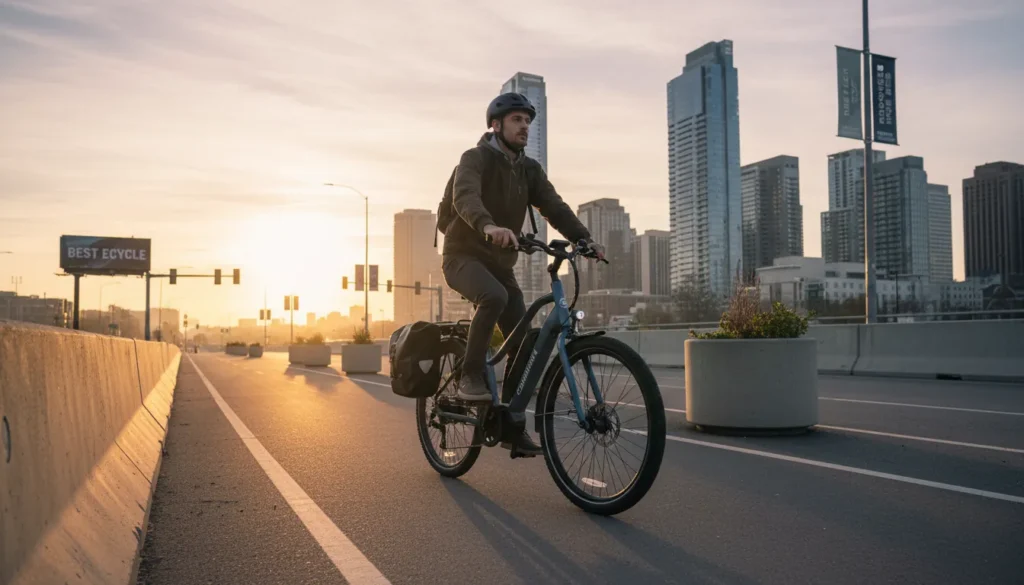
Electric bikes are having a moment—and if you’re searching for the best ecycle, you’re probably juggling the same questions I hear on test rides: Will it actually replace car trips? Will it climb my hills? Will I be stuck with a dead battery and no support? The truth is, “best” depends on your routes, your body, and your day-to-day needs. I’ve helped new riders pick their first ebike and watched the same patterns repeat—when the bike matches the job, people ride it constantly.
In this guide, you’ll learn what matters most when shopping for the best ecycle, how to compare categories (commuter, cargo, off-road, folding, trike), and how Rad Power Bikes fits into a practical, service-supported buying decision.

What “best ecycle” really means (and why most lists miss it)
Most “best ecycle” roundups focus on a single spec—motor watts, top speed, or price. In real riding, the best electric cycle is the one that feels stable at your speed, fits your body, and has the right support when something needs adjustment. I’ve personally found that riders who buy on specs alone often end up upgrading racks, tires, or even replacing the bike within a year.
To choose well, evaluate the bike as a system:
- Fit & geometry (comfort = more miles)
- Motor + sensor behavior (how it delivers power)
- Battery capacity + real-world range
- Brakes, tires, and load rating
- Service plan and parts availability
For general buying guidance and safety considerations, Consumer Reports’ overview is a solid baseline: Electric Bike Buying Guide.
Quick decision: which type of ecycle fits your life?
If you want the best ecycle for daily use, start with your primary use case. This is the “one question” that prevents mismatched purchases.
- Commuting + errands (most riders): city/commuter ebike with racks and lights
- Car replacement + hauling: cargo/utility ebike with high payload and stable handling
- Trails, gravel, hunting/camping routes: off-road/all-terrain ebike with traction-first tires
- Small apartment + storage limits: folding or lightweight ebike
- Stability needs: electric trike or very stable step-thru setup
Rad Power Bikes organizes its lineup around these exact needs—commuter, cargo, off-road, folding, trike, step-thru—so you’re not forcing one style to do everything.
The 7 factors that actually decide the best ecycle
1) Motor power is less important than power delivery
A 500W or 750W label doesn’t tell you how the bike feels on your hill. What matters is torque delivery and how smoothly the assist ramps up. In my experience, new riders prefer predictable, controllable power—especially in traffic and on tight paths.
Look for:
- Smooth engagement from a stop
- Consistent assist at climbing cadence
- No “surging” when you ease off pedaling
For a sense of what mainstream reviewers test for (speed classes, ride feel, component value), see Bicycling’s ongoing testing approach: The Best Electric Bikes—Tested Picks.
2) Range: plan for reality, not the marketing number
Range depends on rider weight, wind, tire pressure, hills, temperature, and how much you use throttle (if equipped). A practical approach is to estimate your typical trip and add a buffer so you’re not charging anxiously.
A reliable rule of thumb for many riders:
- Short commutes: charge every 2–4 rides
- Long commutes/hauling: charge more often, and watch tire pressure closely
If you want a fun, practical way to estimate emissions and trip impact, Rad’s tool is worth trying: Curious How Ebikes Help the Planet? Try Our Emissions Calculator!.
3) Brakes and tires are your real “performance” parts
If you’re carrying groceries, a kid seat, or gear, braking confidence becomes the difference between “fun” and “stressful.” Tires matter just as much—traction and puncture resistance save you time and money.
Prioritize:
- Strong, consistent braking (especially under load)
- Tires matched to your terrain (slicks for city, knobbies for dirt, fat tires for sand/snow)
4) Payload and racks: the hidden value
A bike that can actually carry what you need is often the best ecycle for replacing car trips. If you plan to haul, check:
- Rear rack rating
- Total payload (rider + cargo)
- Frame stiffness and handling under load
If hauling is your goal, start here: Electric Cargo & Utility Bikes.
5) Fit and frame style: step-thru vs high-step isn’t just preference
Step-thru frames are easier for frequent stops, work clothes, and riders with mobility considerations. High-step frames can feel more traditional to cyclists and may offer a different stiffness feel depending on design.
When I test fit riders, the best sign is simple: you can start, stop, and put a foot down without thinking about it.
6) Support network: the factor you’ll care about later
Direct-to-consumer ebikes are convenient, but service is where the experience can shine or stall. Rad Power Bikes’ model—direct sales plus local bike shop partners—tends to reduce the “what do I do now?” moment when you need adjustments or maintenance.
7) Total cost of ownership beats sticker price
The cheapest option can become expensive if you immediately need upgrades (better tires, racks, brake service, replacement battery). Compare:
- Warranty coverage
- Parts availability
- Local service options
- Included accessories (lights, racks, fenders)
| Rider Goal | Best ecycle type | Must-have features | Nice-to-have features | Common mistake |
|---|---|---|---|---|
| Commuting | Urban commuter e-bike (Class 1/3) | Reliable brakes, integrated lights, fenders, rack mounts, puncture-resistant tires | Belt drive, internal gear hub, GPS tracking, suspension seatpost | Buying too much suspension/knobby tires that slow and add weight |
| Cargo/Errands | Longtail or front-loader cargo e-bike | High payload rating, sturdy rack/box, strong brakes, low gearing, stable kickstand | Dual battery, child seats/rails, running boards, lockable storage, torque sensor | Underestimating total load and choosing a weak rack/motor setup |
| Off-road/Adventure | E-MTB (hardtail/full-suspension) | Trail-capable suspension, grippy tires, powerful hydraulic brakes, dropper post | High-capacity battery, frame protection, tubeless setup, navigation mount | Choosing a heavy “fat” bike for trails instead of a proper e-MTB |
| Small storage | Folding e-bike or compact mini e-bike | True folding/compact size, manageable weight, secure latch, small-wheel durability | Rolling mode, removable battery, telescoping stem, carry handle, quick adjust seat | Focusing only on fold size and ignoring weight/carry practicality |
| Stability/Accessibility | Step-through comfort/cruiser or trike | Low step-over, upright geometry, wide tires, stable handling, easy controls | Suspension fork/seatpost, throttle option (where legal), mirror, adjustable stem | Buying a high, aggressive frame that’s hard to mount and dismount |
Best ecycle picks by scenario (what to buy, not just what’s “popular”)
Best ecycle for commuting: City & commuter ebikes
A commuter-ready ecycle should feel predictable at intersections and comfortable for 20–60 minute rides. Integrated lights and practical mounting points matter more than extreme top speed for most riders.
What to prioritize:
- Upright, comfortable geometry
- Lights + rack compatibility
- Tires that balance speed and puncture resistance
Browse options built for this use case: Electric City & Commuter Bikes.
Best ecycle for replacing a car: Cargo & utility ebikes
If your goal is groceries, school drop-off, or work gear, cargo ebikes win because they’re designed for stability under load. I’ve found riders stick with ebiking long-term when the bike makes errands easier than driving.
Key features:
- High payload rating
- Strong brakes
- Stable kickstand and rack ecosystem
Best ecycle for adventure: Off-road and all-terrain ebikes
For mixed terrain, you want traction, durability, and a ride that stays composed on gravel and ruts. Fat tires can add comfort and confidence, but they can also add rolling resistance on pavement—match the tire to your actual route.
If you ride outdoors often, Rad’s roundup is a good starting point: Ebikes for Outdoor Enthusiasts.

How Rad Power Bikes fits the “best ecycle” definition
Rad Power Bikes has been in ebikes since 2005 and has grown a community of 680,000+ riders. What stands out in practice is the brand’s focus on utility-first designs (commuting, cargo, step-thru accessibility) paired with a service-support model that reduces friction for new riders. When someone asks me what makes an ebike a confident buy, I usually point to two things: it fits your daily tasks and you can keep it running easily—Rad’s approach is built around those realities.
Also worth noting: “best ecycle” isn’t always the most expensive. Many riders get the best results by choosing the right category and spending the difference on essentials like a helmet, lock, lights, and maintenance.
For additional perspective on long-range considerations and battery expectations, this overview is helpful for context: The best long-range electric bikes.
DON’T BUY A FOLDING eBike UNTIL YOU WATCH THIS | RV Life
Common mistakes when buying the best ecycle (and how to avoid them)
-
Buying for one “hero” ride instead of daily life
Choose for your most frequent trip: commute, errands, school runs, or weekend trails. -
Ignoring storage and lifting reality
If you live upstairs, weight and portability matter—consider lightweight or folding options. -
Overestimating range
Plan for hills, wind, and cold weather. A realistic buffer prevents constant charging stress. -
Skipping the service plan
Even great bikes need brake adjustments and tune-ups. Support access is part of “best.”

Conclusion: The best ecycle is the one you’ll ride next week, not just admire today
If the best ecycle could talk, it wouldn’t brag about watts—it would ask where you’re riding on Monday morning, what you’re carrying, and how you want to feel after the trip. I’ve seen riders light up when they realize an ebike can turn errands into a 15-minute reset instead of a chore. Pick the category that matches your real routine, prioritize comfort and support, and you’ll end up with a bike that earns its keep.
FAQ: Best ecycle questions people search
1) What does “ecycle” mean?
“Ecycle” is often used as shorthand for an electric bicycle (ebike) or electric cycle—typically a pedal bike with motor assist and a rechargeable battery.
2) What is the best ecycle for beginners?
Most beginners do best with a stable commuter or step-thru ebike that has predictable assist, comfortable geometry, and practical features like lights and racks.
3) How much should I spend for the best ecycle?
Value depends on your use case. Budget for the bike plus essentials (helmet, lock) and consider long-term costs like service and parts availability.
4) What’s a good range for the best ecycle?
Many riders aim for a battery/range setup that comfortably covers their longest regular ride with a buffer for hills, wind, and cold weather.
5) Is a cargo ebike the best ecycle for replacing a car?
If you haul groceries, gear, or kids, cargo/utility ebikes are often the best “car replacement” choice because they’re built for load stability and practicality.
6) How do I choose between commuter, folding, and fat-tire ecyles?
Choose commuter for daily pavement, folding for limited storage/transport, and fat-tire for traction on sand, snow, or rough terrain (with a tradeoff in rolling efficiency).
7) Where can I learn safe riding rules for ebikes?
Start with local regulations and safety resources, then practice predictable riding habits—especially around pedestrians and intersections.