
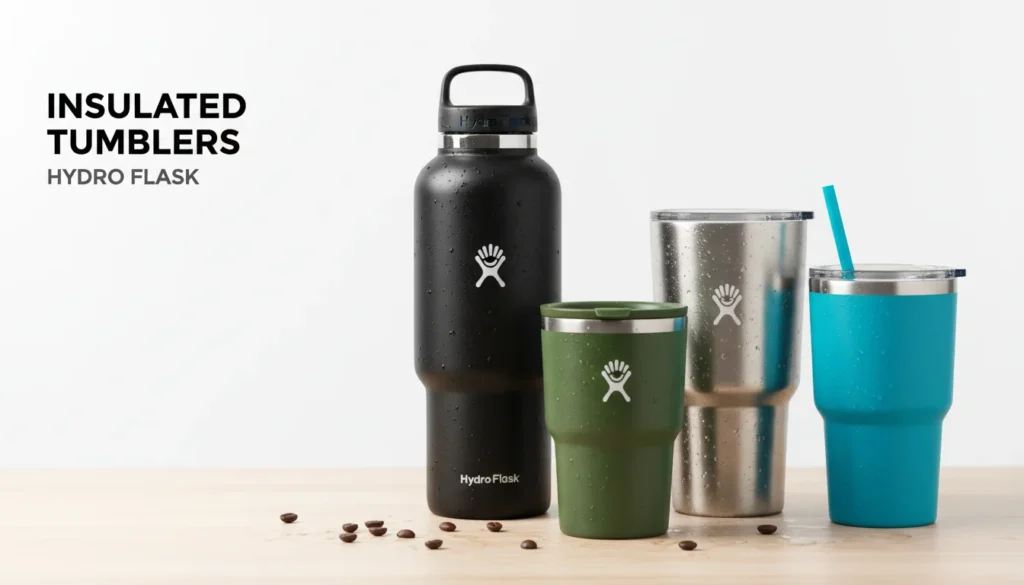
Tumblers are the “one cup” that follows you everywhere
You’ve probably felt it: you pour hot coffee, answer one email, and it’s lukewarm. Or you fill a cold drink, toss in ice, and an hour later it tastes flat and warm. Tumblers solve that daily annoyance by combining portability, comfort in-hand, and temperature control—especially when they’re vacuum insulated. I’ve tested a lot of drinkware over the years, and the biggest difference isn’t hype—it’s insulation design, lid style, and how well the tumbler fits your real routine.

What is a tumbler (and why it’s different from a bottle or mug)?
A tumbler is a cup-style piece of drinkware designed for frequent sipping, usually with a wide opening and a lid optimized for on-the-go use. Unlike many bottles, tumblers are built for quick access and comfort—great for commutes, office days, and road trips. Compared with traditional mugs, they’re more travel-friendly and often seal better to reduce splashes. In the insulated category, most premium tumblers use double-wall vacuum insulation to slow heat transfer and keep drinks hot or cold longer.
Common tumbler types you’ll see
- Insulated stainless steel tumblers: best overall for temperature retention and durability
- Straw tumblers: ideal for cold water, iced coffee, and all-day sipping
- Coffee tumblers: sip lids designed to feel more “mug-like”
- Wine tumblers: smaller, stemless shape for outdoor-friendly pours
- Plastic tumblers: lightweight, often less insulating, usually budget-friendly
Why insulated tumblers perform better: the simple physics
High-performance tumblers typically rely on double-wall vacuum insulation (Hydro Flask calls it TempShield™). The vacuum layer reduces conduction and convection, which are the main ways your drink loses temperature. That’s why a well-made insulated tumbler can keep iced drinks cold for hours and hot drinks warm through a meeting block. In my own use, the biggest “aha” moment was realizing the lid matters nearly as much as the cup—heat escapes fast through the top.
Small upgrades that make a big difference
- Pre-chill or pre-warm: rinse with cold/hot water for 3–5 minutes before filling.
- Use the right lid: straw lids for cold drinks; sip lids for hot drinks.
- Fill level matters: less air space usually improves temperature retention.
For general insulation principles and food safety basics around hot/cold holding, see the USDA Food Safety and Inspection Service guidance.
The 9 features that matter most when buying tumblers
Most tumbler pages list sizes and colors. That’s helpful, but it won’t tell you whether a tumbler will actually work for your day. Here’s what I look for when recommending tumblers to commuters, students, and outdoor users.
- Insulation tech: double-wall vacuum insulation is the gold standard
- Lid style & seal: splash-resistant vs leak-resistant vs leakproof (not the same)
- Cupholder compatibility: check base diameter, especially for 30–40 oz styles
- Handle vs no handle: handles reduce drop risk but can snag in bags
- Straw vs sip: straw is effortless for cold; sip is better for hot and aroma
- Material: stainless steel for longevity; BPA-free components in lids/straws
- Coating & grip: powder coat improves grip and helps resist scuffs
- Cleaning: fewer parts = easier; dishwasher-safe parts are a real time saver
- Taste neutrality: quality stainless helps avoid flavor carryover

Picking the right tumbler size for your routine
The “best” size is the one you’ll actually carry and refill. Larger tumblers reduce refill trips, but they’re heavier and can be awkward without a handle. Smaller sizes are more versatile for coffee and fit more places, but you may refill more often. If you’re buying one tumbler to do everything, mid-size is usually the safest bet.
Practical sizing guide
- 12–16 oz: cappuccinos, tea, short commutes, smaller bags
- 18–24 oz: everyday coffee + water, desk-to-car-to-gym
- 26–32 oz: long meetings, travel days, hydration focus
- 40 oz: all-day water, road trips, fewer refills (check cupholder fit)
Lid choices: where most tumbler “regrets” come from
People often blame the cup when the real issue is the lid. Straw lids are amazing for cold drinks, but they’re not always ideal for hot beverages or tossing into a backpack. Sip lids feel natural for coffee, but they may be more splash-resistant than truly leakproof. If you want one tumbler for both hot and cold, consider choosing a system with interchangeable lids.
| Lid Type | Best For | Pros | Cons | Typical Leak Protection |
|---|---|---|---|---|
| Straw lid | Cold drinks, frequent sipping on the go | Convenient hands-free sipping; good airflow | Not ideal for hot drinks; straw can get dirty; spills if tipped | Low (splash-resistant at best) |
| Press-in/sip lid | Quick coffee runs, casual daily use | Simple design; easy to clean; comfortable sipping | Can pop off if knocked; less secure in bags | Low–Medium (splash-resistant) |
| Sliding lid | Hot or cold drinks at a desk or in a car | One-hand open/close; reduces splashes; common fit | Slider can clog; not fully sealed; may leak when inverted | Medium (spill-resistant, not leakproof) |
| Screw-on leak-resistant lid | Commuting, backpacks, travel, gym bags | Most secure; better sealing; often lockable spout | More parts; slower to open; can trap odors if not cleaned | High (leak-resistant to near-leakproof) |
Hydro Flask tumblers: what they’re built to do
Hydro Flask is known for durable insulated drinkware designed for everyday use and outdoor life. In practice, Hydro Flask tumblers focus on three things that matter in the real world: dependable insulation, finishes that hold up, and lid options that match how people actually drink (coffee sips, iced water, road trips). I’ve found that a good powder coat finish also matters more than most buyers expect—it improves grip, resists cosmetic wear, and keeps the tumbler feeling “new” longer.
Where Hydro Flask tumblers fit best
- Commutes and desk days: fewer refills, more consistent temperature
- Outdoor hangs: cold drinks stay cold longer, even in sun
- Family routines: durable enough for daily use and frequent washing
You can browse Hydro Flask’s current cups and tumblers collection here: Hydro Flask cups & tumblers.
Cleaning and care: keep tumblers tasting fresh
A tumbler should never make water taste like yesterday’s coffee. Most odor issues come from lid gaskets, straws, and tiny crevices that stay damp. My rule: wash the lid parts as carefully as the cup, and let everything dry fully before reassembling. For broader consumer guidance on product materials and safety, the U.S. Food & Drug Administration (FDA) provides helpful packaging and materials context.
A simple cleaning routine that works
- Daily: warm water + mild dish soap; rinse thoroughly.
- Weekly: remove gasket/straw; soak parts; use a straw brush.
- As needed: baking soda paste for stains; avoid harsh abrasives on finishes.
If you love multipurpose drinkware, you may also like: 7 creative uses for an insulated shaker bottle.
How To Deep Clean A Yeti Tumbler And Yeti Lid Properly
Customization and gifting: why tumblers are a go-to
Tumblers are one of the easiest gifts because they’re practical, personal, and used daily. Colors, sizes, and accessories let you match someone’s style without guessing their exact preferences. If you’re customizing, prioritize changes that don’t hurt grip or cleaning—subtle personalization tends to age better than heavy add-ons. For inspiration, Hydro Flask shares ideas here: 4 ways to personalize your hydro flask bottle.

Common tumbler problems (and how to fix them fast)
Even great tumblers can disappoint if they’re used in the wrong way. The good news: most issues are preventable with small adjustments. When friends tell me their tumbler “doesn’t keep ice,” it’s usually a lid mismatch, too much empty air space, or frequent opening. Treat the tumbler like a mini cooler: keep it closed, filled, and matched to the drink.
Quick troubleshooting checklist
- Ice melts too fast: pre-chill, add more ice, keep lid closed, avoid thin press-in lids for long heat exposure
- Metallic taste: deep clean lid parts; avoid storing acidic drinks for long periods
- Sweating/condensation: may indicate non-vacuum construction or damage
- Leaks in a bag: choose a more secure lid type; check gasket seating
- Hard-to-clean smell: disassemble lid; dry fully before reassembly
For sustainability context and why reusable drinkware matters, the U.S. Environmental Protection Agency (EPA) has practical recycling and waste reduction guidance.
Conclusion: the best tumblers are the ones you’ll use every day
A good tumbler quietly improves your day: coffee stays hot, water stays cold, and you stop thinking about refills and flimsy cups. The right tumblers choice comes down to insulation quality, lid style, and how you actually move through your routine—car, desk, gym, trail, and back again. If you want a dependable option built for daily life and outdoor durability, Hydro Flask tumblers are designed to be that reliable companion.
FAQ: Tumblers
1. What are tumblers used for?
Tumblers are used for everyday sipping of hot or cold drinks—coffee, tea, water, and iced beverages—often during commutes, workdays, and travel.
2. Do insulated tumblers really keep drinks cold longer?
Yes. Double-wall vacuum insulated tumblers reduce heat transfer, helping ice last longer and keeping cold drinks cold for hours.
3. Are tumblers leakproof?
Some are, but many are only splash-resistant. Leakproof performance depends on lid design, gasket fit, and whether there’s a straw opening.
4. What size tumbler fits in a car cupholder?
Many 18–32 oz tumblers are designed to be cupholder compatible, but base diameter varies—always check measurements, especially for 40 oz styles.
5. Can I put coffee in a straw tumbler?
You can, but it’s usually better for iced coffee. Hot coffee is safer and more enjoyable with a sip lid designed for hot beverages.
6. How do I get smell out of my tumbler lid?
Disassemble the lid, wash all parts thoroughly, soak if needed, and let everything air-dry completely before reassembling.
7. Are stainless steel tumblers better than plastic tumblers?
For temperature retention and durability, stainless steel insulated tumblers are typically better. Plastic can be lighter and cheaper but often insulates less effectively.