
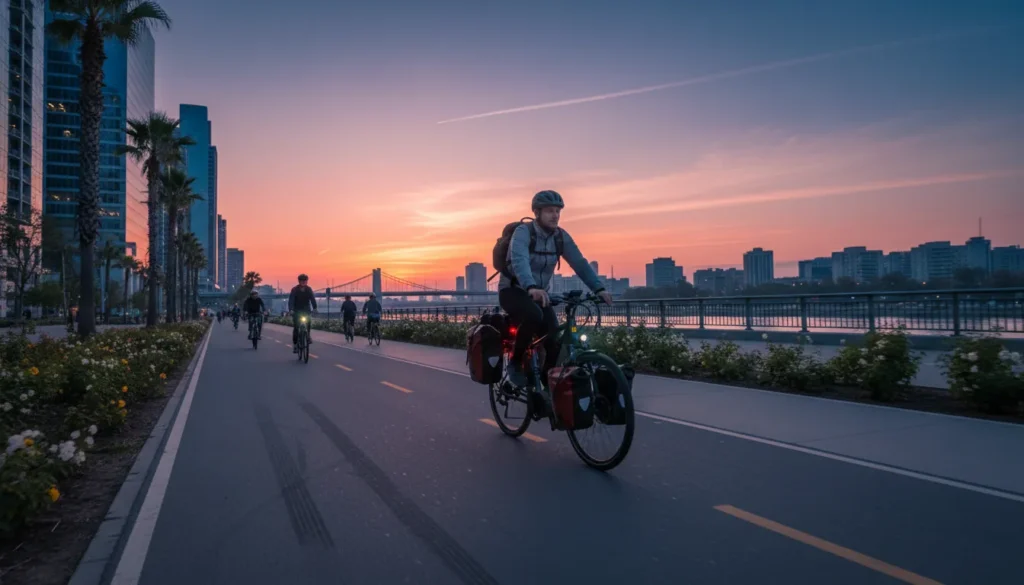
Bikes show up for you in quiet ways: the quick grocery run, the commute that clears your head, the weekend ride that resets your week. But choosing a bike can feel oddly complicated—road vs. hybrid, gears vs. single-speed, ebike vs. “regular” bike, and then all the fit and maintenance questions. If you’ve ever wondered, “What kind of bike actually matches my life?”, you’re in the right place.
In this guide, I’ll break down the main types of bikes, what to look for when buying, and where electric bikes (ebikes) fit in—especially for practical daily riding.

Why bikes still matter (and why more people are choosing ebikes)
Bikes are one of the most efficient ways to move a person through a city. They’re low-cost to operate, easy to store compared to cars, and they turn “dead time” into movement and fresh air. In my own riding, the biggest change wasn’t getting faster—it was becoming more consistent, because the bike made short trips feel easy instead of annoying.
Ebikes add a practical twist: pedal assist reduces the “friction” that stops people from riding—hills, headwinds, sweaty arrivals, and carrying cargo. That’s why many riders who thought they “weren’t bike people” end up riding more once they switch to an electric bike.
To ground this in established guidance and safety norms, see resources like the PeopleForBikes safety and policy library, the U.S. Department of Transportation bicycle and pedestrian resources, and the NHTSA bicycle safety page.
Types of bikes: pick the category that matches your real rides
Most bike-buying regret comes from buying for an imaginary lifestyle. Start with your most common trip, your terrain, and what you need to carry.
City and commuter bikes
City/commuter bikes prioritize comfort, visibility, and everyday reliability. They typically have mounts for racks and fenders, and a geometry that keeps you more upright for better awareness in traffic.
- Best for: commuting, errands, casual fitness
- Look for: puncture-resistant tires, integrated lights, rack mounts, fenders
- If you’re considering electric: start here for daily utility
If you want a direct look at this category, browse Electric City & Commuter Bikes.
Cargo and utility bikes
Cargo bikes are the “replace a car trip” machines—built to carry kids, groceries, tools, or deliveries. I’ve tested cargo setups with and without assist, and the difference is simple: an ebike turns heavy hauling from “workout” into “transportation.”
- Best for: families, shopping runs, small business hauling
- Look for: high weight capacity, stable frame, strong brakes, compatible accessories
- Electric advantage: smoother starts and safer control under load
See examples in Electric Cargo & Utility Bikes.
Off-road and all-terrain bikes
These bikes focus on traction, durability, and control on loose surfaces. Suspension and tire volume matter more here than top-end speed.
- Best for: trails, gravel paths, mixed terrain
- Look for: tire width, tread, suspension type, frame strength
- Electric advantage: makes climbs and long days more doable
A helpful starting point is Ebikes for Outdoor Enthusiasts.
Folding bikes
Folding bikes are about storage and multi-modal travel (car + bike, train + bike). They’re ideal when space is the limiting factor.
- Best for: apartments, RV life, last-mile commuting
- Look for: fold speed, folded size, carry weight, wheel durability
- Trade-off: less stable at high speed than larger-wheel bikes
Road, hybrid, cruiser, and kids’ bikes (quick overview)
These categories still matter, even as ebikes grow:
- Road bikes: speed and efficiency on pavement
- Hybrids: “do-most-things” comfort + versatility
- Cruisers: relaxed posture, short rides, flat terrain
- Kids’ bikes: sizing and braking simplicity first
How to choose bikes: the 7 factors that actually decide satisfaction
When people ask me what to “look for” in bikes, I focus on these practical points. They’re the difference between a bike you own and a bike you ride.
- Fit and frame style: Step-thru frames can be easier for daily stops and starts.
- Where you’ll ride: pavement, broken streets, gravel, hills—be honest.
- Carrying needs: backpack, panniers, child seat, front basket, trailer.
- Comfort: saddle, grips, and upright posture matter more than most specs.
- Brakes: strong, predictable braking is a safety feature, not a luxury.
- Gearing (or assist): hills and wind punish under-geared bikes; ebikes reduce that pain.
- Service plan: local support and parts availability reduce long-term headaches.
| Bike Type | Best For | Typical Terrain | Key Features to Prioritize | Who Should Consider an Ebike Version |
|---|---|---|---|---|
| Commuter/City | Daily commuting, errands, urban riding | Paved roads, bike lanes, light gravel paths | Fenders, rack mounts, lights/dynamo compatibility, puncture-resistant tires, upright fit | Longer commutes, hilly cities, riders arriving sweat-free, frequent stop-and-go traffic |
| Cargo/Utility | Hauling kids/groceries/tools, car replacement | Paved roads, mixed urban surfaces, mild hills | High payload capacity, sturdy racks/box, strong brakes, stable geometry, kickstand, gears | Regular heavy loads, steep climbs, replacing car trips, smaller riders moving big loads |
| Off-Road/All-Terrain | Trail riding, exploring, rough-surface adventure | Dirt trails, gravel, rocks/roots, sand/mud | Suspension (front/full), wide knobby tires, disc brakes, dropper post, durable drivetrain | Long climbs, technical terrain where extra torque helps, riders building confidence on tough trails |
| Folding | Multi-modal travel, small storage, travel | Paved streets, transit corridors, smooth paths | Fast fold, compact size, carry weight, reliable hinge/lock, small-wheel stability, guards | Last-mile commutes with hills, carrying loads in backpack, riders who want to avoid arriving sweaty |
| Road | Speed, fitness, long-distance paved riding | Smooth pavement, climbs/descents, group rides | Lightweight frame, efficient gearing, aerodynamic position, quality tires, precise shifting | Riders tackling big elevation, longer endurance rides, recovery rides, keeping pace on mixed-ability rides |
| Hybrid | Versatility for fitness + commuting | Pavement, bike paths, light gravel | Comfortable geometry, wider tires, mounts for racks/fenders, disc brakes, simple gearing | Mixed-surface commutes with hills, new riders seeking confidence, riders doing longer rides with cargo |
Ebikes vs. non-electric bikes: what changes in real life?
Ebikes are still bikes—you pedal, steer, balance, and brake the same way. The big difference is consistency: more trips become “easy enough” to choose the bike instead of the car.
What ebikes do better
- Flatten hills and headwinds
- Make longer commutes realistic
- Help riders carry cargo without strain
- Reduce “arrive sweaty” anxiety for work and errands
What standard bikes still do best
- Lower upfront cost
- Lighter weight (often easier to carry upstairs)
- Simpler maintenance
- No charging routine

Common bike buying mistakes (and how to avoid them)
Most problems are predictable—and fixable—before you buy.
- Buying for speed when you need comfort: If your back and wrists hurt, you won’t ride.
- Ignoring cargo needs: A $60 rack can change your whole relationship with bikes.
- Overlooking service access: If you can’t get it tuned easily, small issues become big.
- Choosing the wrong tire width: Too narrow can feel harsh; too wide can feel sluggish.
- Underestimating hills: If your route climbs, plan for gears—or pedal assist.
I once bought a “fast” bike for errands and hated it within a month because it didn’t fit my daily use: no mounts, twitchy steering with a backpack, and poor comfort at stoplights. Switching to a practical commuter setup (with assist later on) made riding feel like transportation again, not a sport.
Maintenance basics: keep bikes safe, quiet, and efficient
You don’t need to be a mechanic, but you do need a routine. A simple monthly check prevents most roadside surprises.
- Tires: check pressure weekly; inspect for glass and cuts
- Brakes: confirm firm lever feel and consistent stopping power
- Chain: clean and lube when it looks dry or sounds noisy
- Bolts: check racks and fenders for loosening
- For ebikes: keep the battery stored at moderate temps and follow the manufacturer’s charging guidance
Before You Buy an eBike: The Ultimate Buyers Guide!
Why Rad Power Bikes fits the “practical bikes” trend
Rad Power Bikes built its reputation on making electric bikes accessible and useful, not just flashy. The direct-to-consumer model helps keep value strong, while a nationwide network of local bike shop partners supports test rides and service—two things that matter a lot once you’re riding weekly.
If your goal is to replace car trips, look hardest at:
- commuter bikes for daily travel
- cargo/utility ebikes for errands and family hauling
- all-terrain options if your routes include rough surfaces
The best bike is the one that gets ridden. In 2026, for many households, that’s increasingly an ebike—because it turns “maybe” trips into “yes” trips.
Conclusion: choose bikes that match your life, not your fantasy
Bikes are at their best when they quietly solve problems: time, traffic, parking, and the need to move your body without making it a whole event. If you choose a bike based on your real routes, real cargo, and real comfort needs, you’ll ride more—and enjoy it more. And if hills, hauling, or consistency are your blockers, an electric bike can be the simplest upgrade you’ll ever make.
FAQ: Bikes (and ebikes) — common questions people search
1) What type of bike is best for beginners?
A hybrid or city/commuter bike is usually best because it’s stable, comfortable, and easy to control at low speeds.
2) Are ebikes good for fitness?
Yes. Most riders still pedal; the assist helps you ride longer and more often, which often increases total weekly activity.
3) How do I choose the right bike size?
Start with the brand’s sizing chart, then confirm stand-over clearance and reach. If you’re between sizes, prioritize comfort and control.
4) What’s the best bike for commuting?
A commuter/city bike with rack and fender mounts is ideal. If your route has hills or you carry a bag, consider an ebike commuter.
5) Are cargo bikes hard to ride?
They can feel different at first, especially when loaded, but good geometry and strong brakes make them stable. Ebike assist helps most with starts and hills.
6) How much should I spend on a reliable bike?
It depends on use. Spending more typically improves brakes, wheels, and drivetrain durability—key parts for daily riding. For ebikes, also weigh battery and support.
7) What maintenance do bikes need most often?
Tire pressure checks, chain lubrication, and brake inspection cover most issues. A periodic tune-up helps if you ride frequently.