
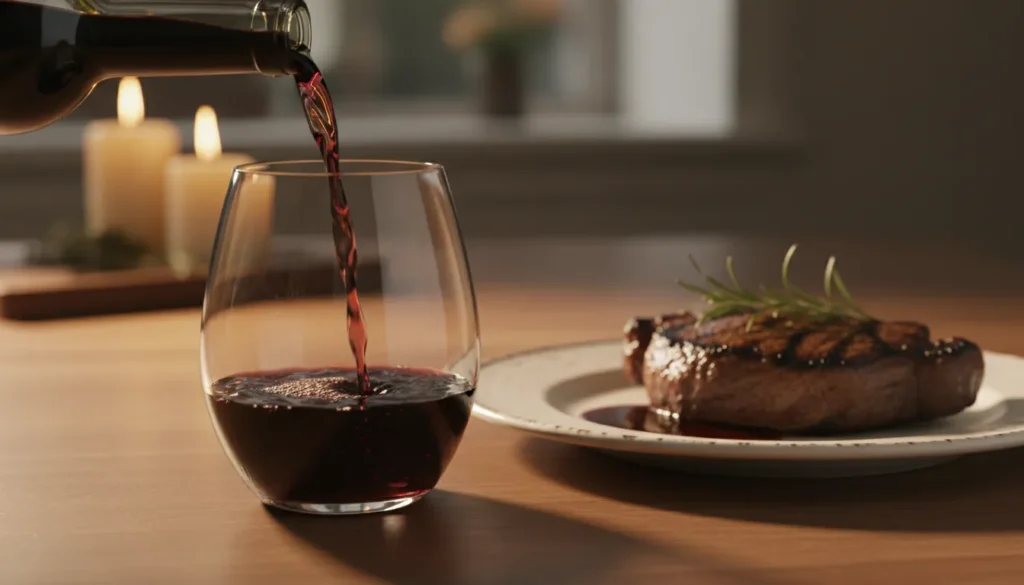
Why cab sav wines always seem to “show up” at dinner
Cab sav wines are the friend who arrives early, looks sharp, and somehow works with almost everything on the table. You’ll see Cabernet Sauvignon on steakhouse lists, at backyard grills, and in gift bags because it’s bold, reliable, and easy to match with food. But “Cab” can taste wildly different depending on where it’s grown, how ripe the grapes get, and how much oak the winemaker uses. If you’ve ever wondered why one bottle tastes like black cherry and vanilla while another leans herbal and structured, you’re in the right place.

What are cab sav wines (and why they taste so bold)?
Cab sav wines are made from the Cabernet Sauvignon grape, one of the most recognized red varieties in the world. The grape’s naturally thick skins and structure tend to produce deeper color, firmer tannins, and a fuller body—especially in warmer regions. In plain terms: Cabernet often feels “bigger” in your mouth than lighter reds, and it holds up to rich foods.
Common Cabernet Sauvignon flavor notes you’ll see across many cab sav wines include:
- Dark fruit: black currant, blackberry, black cherry, plum
- Savory/herbal: green bell pepper (more common in cooler climates), dried herbs
- Aging notes: cedar, tobacco, vanilla, baking spice (often from oak)
For a deeper background on the grape and its global presence, see Cabernet Sauvignon (Wikipedia) and the region/style overview from Wine Folly’s Cabernet Sauvignon guide.
Cab sav wines by style: how to pick the right bottle fast
When I’m shopping for cab sav wines for a group, I don’t start with price—I start with style. It’s the quickest way to avoid buying a “serious” bottle for a casual taco night (or a fruit bomb for a formal roast).
1) Fruit-forward & plush (easy crowd-pleasers)
These cab sav wines lean into ripe blackberry/cherry, softer tannins, and noticeable oak sweetness (vanilla, cocoa). They’re often the best “first Cab” for newer drinkers.
Best for:
- Burgers, BBQ, pizza with sausage
- Holiday potlucks
- “One bottle for everyone” situations
2) Structured & savory (classic, food-driven)
These cab sav wines feel firmer and more angular: higher perceived tannin, more cedar/tobacco, sometimes herbal notes. They shine with protein and fat.
Best for:
- Ribeye, lamb, short ribs
- Mushroom dishes
- Aged cheeses
3) Blends that feature Cabernet (Cab-led reds)
Many famous regions blend Cabernet with grapes like Merlot or Cabernet Franc for texture and aroma. If you want Cabernet character with a smoother edge, a Cab-based blend is a smart move.
The “Cabernet equation”: climate + oak + age
Cab sav wines are easy to understand when you track three variables:
- Climate: Warm areas push riper fruit and higher alcohol; cool areas bring more herbal notes and firmer structure.
- Oak: More oak aging adds vanilla, toast, spice, and sometimes a sweeter impression.
- Bottle age: Time can soften tannins and shift fruit toward dried fruit, leather, and earthy notes.
I’ve opened young Cabernet that felt “tight” and drying at first sip, then tasted it again 30 minutes later and it was dramatically smoother. That’s why decanting matters (more on that below).

How to serve cab sav wines for maximum flavor (without overthinking it)
Cabernet is forgiving, but small tweaks make a big difference.
Temperature (the easiest upgrade)
Most people serve cab sav wines too warm. Aim for ~60–65°F (15–18°C). If the bottle has been sitting in a warm room, a 15–20 minute chill in the fridge helps the fruit taste fresher and the alcohol feel less hot.
Glassware (why the bowl shape matters)
Cabernet benefits from a larger bowl that gives aromas room to open up and smooths the tannin feel. If you’re building your setup, Corkcicle’s guide to Different Types of Wine Glasses helps you match shapes to styles without guesswork.
Decanting (when it’s worth doing)
Use this simple rule:
- Young, tannic Cab (new release): Decant 30–60 minutes to soften and open aromatics.
- Older Cab (8–15+ years): Decant carefully and briefly—mainly to separate sediment.
- If you’re unsure: Pour a small taste, wait 10 minutes, taste again. If it improves, keep it breathing.
Food pairing: what cab sav wines do best
Cabernet’s tannin loves fat and protein. That’s why it feels magical with steak: tannin binds with protein and the wine tastes smoother and more fruit-forward.
Best pairings for cab sav wines
- Grilled or pan-seared steak (ribeye, strip, hanger)
- Lamb chops, braised short ribs
- Burgers with sharp cheddar
- Hard-aged cheeses (aged gouda, parmesan, cheddar)
- Roasted mushrooms, lentils with herbs (for a meatless option)
Trickier pairings (but still doable)
- Spicy foods: Alcohol + heat can feel hotter. Choose a softer, fruit-forward Cab and keep dishes medium-spice.
- Very delicate fish: Cabernet can overpower it; consider a lighter red or a different style.
- Vinegar-heavy salads: Acid + tannin can clash; add protein (steak, chicken) or creamy dressing.
Buying guide: how to read a label and choose confidently
When you’re staring at a wall of cab sav wines, look for these cues:
- Region: Signals likely style (riper vs more savory).
- Vintage: Warm years often taste riper; cooler years can be more structured.
- ABV: Higher ABV often correlates with riper fruit and a fuller feel (not always, but often).
- Oak cues: Words like “barrel aged,” “French oak,” or “reserve” can hint at a more oaky profile.
If you’re stocking a home bar for guests, Corkcicle’s 12 Must Haves for Your Home Bar is a practical checklist that pairs well with building a Cabernet-friendly setup.
| Occasion | Style to Look For | Flavor Clues | Serving Tip |
|---|---|---|---|
| Weeknight dinner | Fruit-forward Cabernet Sauvignon | Black cherry, plum, vanilla, soft oak | Serve slightly cool (16–18°C / 60–65°F) |
| Steak night | Structured, oak-aged Cabernet | Cassis, cedar, graphite, firm tannins | Decant 60–90 minutes; pair with ribeye |
| Gift bottle | Balanced or lightly aged Cabernet | Dried blackberry, tobacco, cocoa, integrated oak | Choose a reputable producer/vintage; decant 30 minutes |
| Party crowd | Smooth Cabernet blend (Cab/Merlot) | Ripe berries, mocha, supple tannins | Serve at 16–18°C; keep an extra bottle ready |
| Cellaring | High tannin/high acidity Cabernet | Dark fruit, pencil shavings, grippy finish | Buy 2–3 bottles; store at ~12–14°C (54–57°F) |
Storage & leftovers: keep cab sav wines tasting “new”
Cabernet is sturdier than many reds, but oxygen still wins eventually.
Unopened bottle storage
- Keep bottles cool, dark, and stable (avoid temperature swings).
- Store cork-finished bottles on their side to keep the cork from drying.
After opening (the real-life scenario)
In my own kitchen, an opened Cabernet usually tastes best:
- Day 1: freshest fruit and structure
- Day 2: often smoother, more integrated
- Day 3: can still be good if re-corked and chilled
Tips:
- Re-cork and store in the fridge (cold slows oxidation).
- Let it warm slightly before pouring.
- Consider a vacuum stopper if you regularly save leftovers.
Common cab sav wine mistakes (and easy fixes)
Most “I don’t like Cabernet” complaints come down to one of these issues—not the grape itself.
- Mistake: Serving too warm
- Fix: Chill 15–20 minutes; aim for 60–65°F
- Mistake: Drinking immediately after opening a young bottle
- Fix: Decant 30–60 minutes or swirl aggressively
- Mistake: Pairing with light food
- Fix: Add protein/fat (cheese, steak, mushrooms, olive oil)
- Mistake: Choosing ultra-tannic styles as a beginner
- Fix: Start with fruit-forward, plush cab sav wines or Cab-led blends
For a broader perspective on drinkware choices (especially if you’re comparing insulated cups for events and gifting), see Battle of the Bottles: Corkcicle vs. Stanley Tumblers.
A quick note on “best” cab sav wines (what experts actually mean)
Critic scores and awards can help, but they usually reflect how well a wine matches a style, not whether you’ll personally love it. Many reviewers reward balance, length, and structure—traits that can read as “too intense” if you prefer softer reds. If you want a reliable learning path, browse educational tasting frameworks like Total Wine’s Cabernet Sauvignon overview to connect tasting notes with what you experience in the glass.

Conclusion: make cab sav wines your “default red” with a few smart habits
Cab sav wines don’t need a sommelier to be enjoyable—they just need the right temperature, a decent glass, and a food pairing that welcomes tannin. The next time Cabernet tastes too sharp or drying, try a short chill and a quick decant, then revisit it with a bite of something rich. You’ll start to recognize which styles you love, and buying becomes easy instead of random.
FAQ: cab sav wines
1) What does “cab sav” mean on a wine label?
It’s short for Cabernet Sauvignon, a red grape known for bold tannins and dark fruit flavors.
2) Are cab sav wines always dry?
Most are dry, though ripe fruit and oak can make them taste sweeter than they are.
3) What food pairs best with cab sav wines?
Steak, lamb, burgers, and aged cheeses are classic because fat and protein soften tannins.
4) Should I chill Cabernet Sauvignon?
Yes—slightly. Serve around 60–65°F (15–18°C) for better balance and aroma.
5) Do cab sav wines need decanting?
Young, tannic bottles often improve with 30–60 minutes of air. Older bottles may need gentle decanting to remove sediment.
6) How long do cab sav wines last after opening?
Typically 2–3 days if re-corked and refrigerated; some hold up to 4 days depending on style and storage.
7) What’s the best cab sav wine for beginners?
Look for fruit-forward, plush styles (often from warmer regions) or Cab-led blends for a smoother first step.