
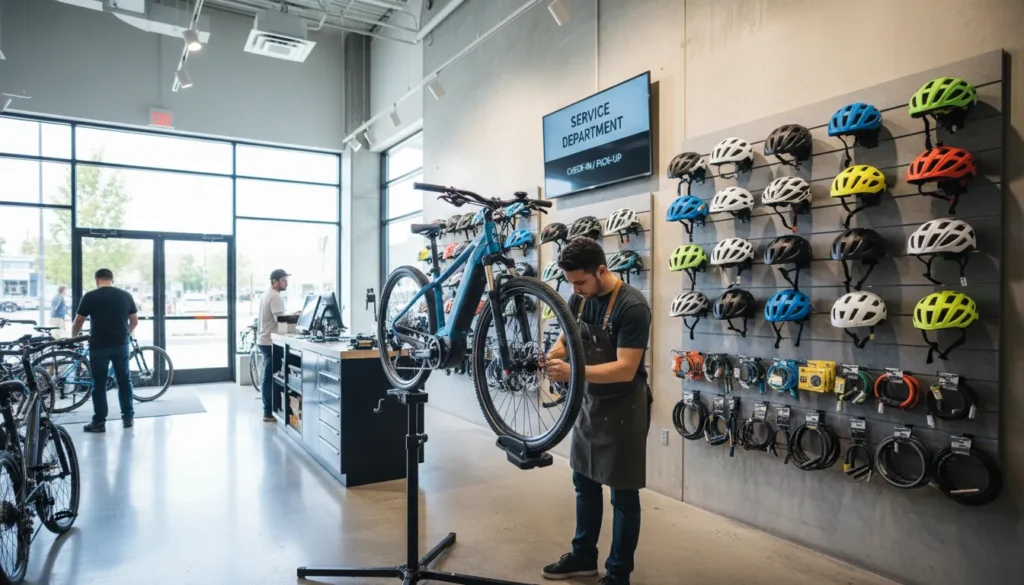
When your bike starts squeaking on the commute, or you’re eyeing an ebike to replace car trips, bike stores become more than “a place that sells bikes.” They’re where confidence gets built: the right size, the right setup, the right maintenance plan, and a human who can sanity-check your choices. I’ve bought bikes online, in-store, and through hybrid models—and the best outcomes always came from pairing a solid product with a shop that treats service like a craft.
This guide breaks down what great bike stores do, how to compare local shops vs online retailers, what to ask before you spend money, and how Rad Power Bikes’ direct-to-consumer model plus local service partners fits into the modern bike-store ecosystem.
What “Bike Stores” Offer Today (Beyond Selling Bikes)
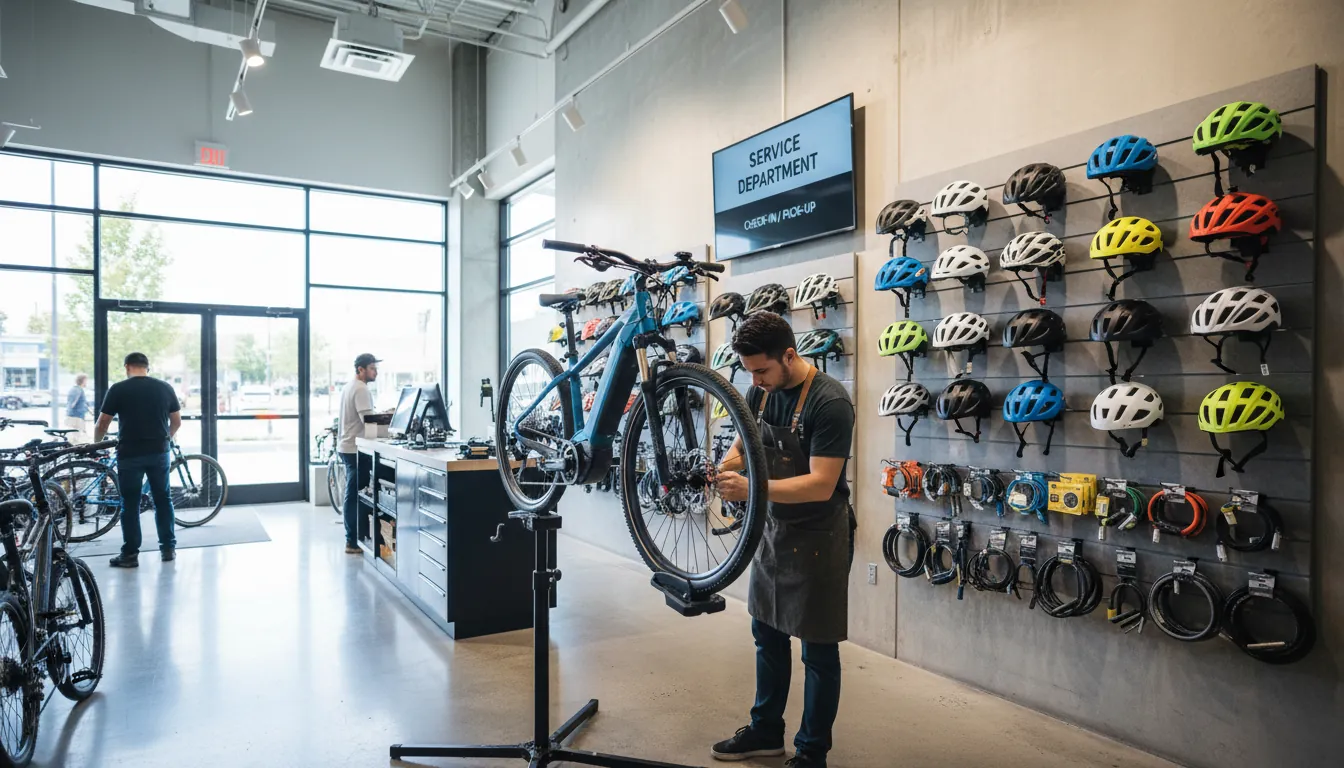
Modern bike stores are part retailer, part service center, part community hub. The best ones reduce risk for buyers—especially new riders—by translating specs into real-world comfort and reliability. They also keep you riding when things wear out, get noisy, or need adjustment.
Common services you should expect:
- Bike fitting basics: saddle height, reach, handlebar angle, and brake lever position.
- Assembly and safety checks: especially critical for shipped bikes and ebikes.
- Maintenance and repairs: flat fixes, drivetrain tuning, brake service, wheel truing.
- Accessory setup: racks, fenders, lights, child seats, cargo add-ons.
- Test rides and ride coaching: helps you pick the right category and size.
If you’re new to fit, start with fundamentals—this primer on Basic Bike Fitting | Rad Academy explains the core adjustments that prevent “this bike feels wrong” regret.
Types of Bike Stores (Local, Online, and Hybrid)
You’ll run into three main formats. Each can be excellent—if you know what you’re optimizing for.
1) Local Bike Shops (LBS)
Local bike stores shine when you value hands-on help and fast service turnaround. A good shop is also honest about what they can’t do (or what will take time during peak season).
Best for:
- New riders who want guided sizing and setup
- Anyone who needs frequent service (commuters, ebikes, cargo bikes)
- Riders who want a relationship with a service team
2) Online Bike Retailers
Online-focused bike stores often lead with price, selection, and shipping perks. Some also offer “pro-built” delivery options where the bike arrives tuned and ready.
Best for:
- Confident buyers who know their size and spec preferences
- Parts/accessories shopping with broad inventory
- People comfortable troubleshooting minor setup
Authoritative buying guidance can help you filter marketing claims—see PeopleForBikes for industry education and advocacy that influences real-world rider experience (infrastructure, safety, and adoption).
3) Hybrid Models (Direct-to-Consumer + Local Service Partners)
This is where the market is heading: buy directly, then get local support. Rad Power Bikes is a strong example—direct sales paired with a nationwide network of bike shop partners for test rides, sales support, and ongoing service.
Best for:
- Riders who want DTC value and local service confidence
- Ebike owners who want a reliable service pathway
- Practical buyers who want to “try before I buy”
If you’re shopping specifically for an urban-friendly ebike category, browse Electric City & Commuter Bikes to compare commuter-ready options designed for daily transportation.
What to Look for in Great Bike Stores (A Practical Checklist)
Not all bike stores are equal. I use a simple “service-first” checklist—because the purchase is the easy part; ownership is where quality shows.
Signs you’re in a strong shop
- They ask about your use case (commute distance, hills, cargo, storage, comfort).
- They talk fit before features (pain-free riding beats fancy components).
- Written estimates with clear labor rates and parts pricing.
- Reasonable turnaround times and honest scheduling.
- They stock wear items that match what they sell (brake pads, chains, tubes/tires).
Questions worth asking before you buy
- What’s included in assembly and the initial safety check?
- Do you offer a free 30-day tune-up after break-in?
- How do you schedule service during peak season?
- What parts do you keep in stock for this bike/ebike?
- If I buy online, will you service it—and what are your ebike policies?
For ebikes in particular, make sure the shop is comfortable with the category. Many service departments will work on standard bike components (brakes, tires, drivetrain) but may limit electrical diagnostics depending on brand systems and training.
| Store Type | Best For | Key Pros | Key Cons | Questions to Ask (service turnaround, test rides, warranty handling, assembly options) |
|---|---|---|---|---|
| Local Bike Shop | Fit-focused buyers, ongoing maintenance, commuters | Professional fitting and sizing help; immediate service support; test rides; local relationship | Higher prices; limited brand/model selection; stock variability | What’s the typical service turnaround in peak season? Can I test ride this exact model/size? How are warranty claims handled—do you process with the brand? Do you offer assembly/tune-up for bikes bought elsewhere? |
| Online Retailer | Value seekers, broad selection, experienced buyers | Often lower prices and frequent deals; huge inventory; easy comparisons and reviews | No in-person fitting; shipping delays/damage risk; self-assembly or pay a shop; returns can be cumbersome | If there’s an issue, what’s the expected warranty/return timeline? Can you recommend local service options? What level of assembly is required (tools/torque specs)? Are there shipping/box damage protections? |
| Hybrid DTC + Service Partners | Brand-direct buyers who still want local support | Competitive pricing; curated models; partner shops for assembly/service; streamlined warranty through brand | Partner availability varies; limited test ride options; may be waitlisted for service | Who is the nearest service partner and their typical turnaround? Are test rides/demo events available? If something fails, do I deal with the brand or partner shop? Can I choose shipped-to-home vs shipped-to-partner for assembly? |
| Local Bike Shop (Used/Consignment) | Budget buyers, first bike, backup/utility bikes | Lower upfront cost; can inspect in person; sometimes includes basic tune-up; immediate availability | Unknown wear history; limited warranty; sizing/model availability inconsistent | How quickly can you service/adjust after purchase? Can I take a short test ride and verify fit? Any warranty or return window on used bikes? Can you perform a safety check and what’s included? |
| Online Marketplace (Used) | Bargain hunters comfortable assessing condition | Lowest prices; wide local listings; negotiation possible | High scam risk; no warranty; hard to verify condition/fit; no support | Can I meet for an inspection/test ride? Any proof of purchase/serial check for theft? What’s the plan if issues appear after purchase (no warranty)? What assembly/repairs will I need immediately? |
The Hidden Cost of a “Cheap” Bike: Service, Fit, and Parts
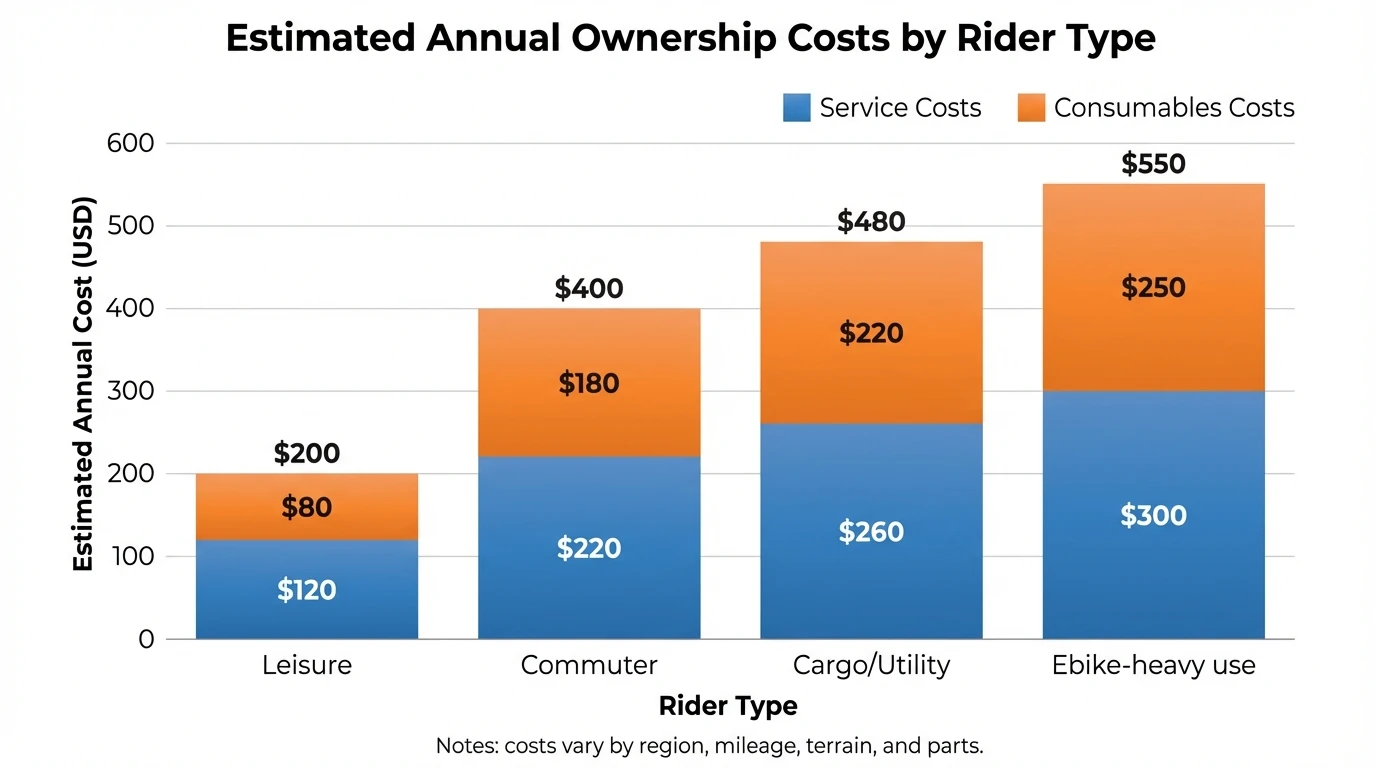
A bike can be a great deal and still be a poor buy if service access is hard. In my experience, the most expensive bikes are the ones that sit unridden because something small wasn’t addressed early—like a misadjusted brake, a rubbing rotor, or a sloppy shifting setup.
Key ownership cost drivers:
- Fit issues (can cause discomfort that kills usage)
- Maintenance cadence (commuters wear chains, brake pads, and tires faster)
- Parts compatibility and availability
- Warranty support and labor coverage (varies by brand and shop)
For riders planning to carry more (groceries, kids, work gear), selecting the right platform matters as much as the shop. Cargo-capable models are built around stability and mounting points—see Electric Cargo & Utility Bikes for examples designed for hauling and daily errands.
Common Bike Store Mistakes (and How to Avoid Them)
Even good bike stores can miss things when they’re busy—especially spring and early summer. Here are the issues I see most often, plus what you can do to reduce headaches.
- Buying the wrong size
Fix: insist on a test ride, or at least a fit check and clear size rationale. - Skipping the 2–4 week checkup
Fix: book your “break-in tune” at purchase time; cables settle and bolts need recheck. - Overbuying features you won’t use
Fix: prioritize comfort, braking, and tire choice over marginal drivetrain upgrades. - Ignoring service capacity
Fix: ask about turnaround time before you need it.
Why Test Rides Matter (Especially for Ebikes)
Specs don’t capture how a bike behaves under you—how stable it feels, how the brakes bite, how the motor engages, and whether the geometry suits your body. For ebikes, test rides are even more valuable because “power delivery” and handling under weight can feel very different across models.
On a test ride, focus on:
- Start/stop control and low-speed stability
- Braking feel and modulation
- Fit comfort: wrists, neck, lower back
- Hill start behavior (if available)
- Ease of mounting/dismounting (step-thru vs step-over)
If a brand supports local test rides via partners, that’s a strong sign it’s investing in the real-world rider experience—not just the checkout page. For safety standards and credible guidance on helmets and gear, NHTSA’s bicycle safety resources are a solid, non-sales reference.
5 Things To Know BEFORE Buying An E-Bike!
Community Matters: Bike Stores as Local Infrastructure
The best bike stores do more than sell products—they support local riding culture. That can look like group rides, repair clinics, charity events, or spotlighting underrepresented shop owners and communities.
If you want to support inclusive cycling and discover shops making a difference, read Spotlight: Black-Owned Bike Shops. It’s a practical reminder that where you spend your money shapes the cycling community you ride in.
For broader bike network and trail resources, Rails-to-Trails Conservancy is a reputable place to find route inspiration and understand how local trail development expands ridership.
Conclusion: The Right Bike Store Makes Riding Easy
A great bike stores experience feels like this: you walk in uncertain, you walk out with a bike that fits, a plan for service, and the feeling that someone has your back if anything goes sideways. That’s the real value—less friction, more riding, and fewer “I guess I’ll deal with it later” problems.
If you’re shopping for an ebike, consider a brand that pairs direct value with real local support—then choose a shop that treats fit and service as non-negotiables. Share your city and what kind of riding you do, and I’ll help you build a short list of what to ask your local bike stores before you buy.
FAQ: Bike Stores
1) Are local bike stores more expensive than buying a bike online?
Often yes upfront, but they may include assembly, fit help, and a follow-up tune—services that can narrow the gap.
2) Will bike stores service an ebike bought online?
Many will handle standard components (tires, brakes, drivetrain). Electrical work depends on the shop’s policies, training, and parts access.
3) What should I bring to a bike store test ride?
Your helmet if you have one, comfortable shoes, and a short list of where you’ll ride (hills, cargo needs, storage constraints).
4) How do I know what bike size to buy?
Start with the brand’s sizing guide, then confirm with a test ride or fit check. Small fit errors compound into discomfort over time.
5) What’s the most important service a bike store provides?
A safety-focused setup (brakes, bolts, wheel alignment) plus a break-in tune after the first few weeks of riding.
6) Do bike stores negotiate price?
Sometimes on last-year models, bundles, or accessories. It’s often easier to ask for value adds (free tune-up, discounted accessories) than a lower sticker price.
7) How often should I get my bike tuned?
Light use: 1–2 times per year. Commuters and ebike riders: plan for more frequent checks, especially brake pads and drivetrain wear.