
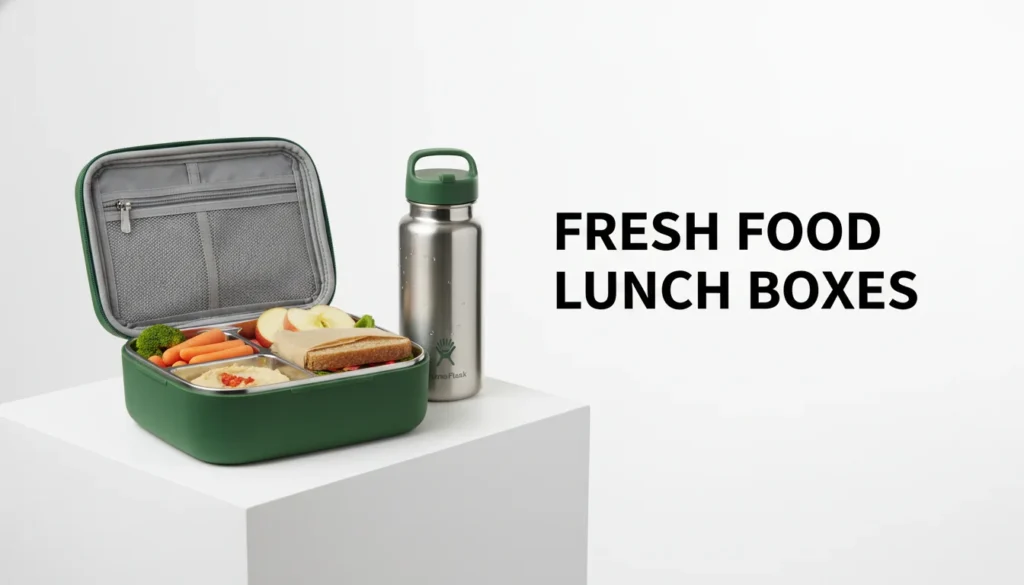
You’ve packed a great lunch—then noon hits and it’s soggy, lukewarm, or leaking in your bag. I’ve been there: the “perfect” meal ruined by a flimsy zipper, weak insulation, or a container that tips over the second you walk faster than a stroll. The right lunch boxes fix that, but only if you match the design to your day (commute, school, jobsite, trail) and your food (hot, cold, messy, or snacky). This guide breaks down what matters, what’s marketing, and how to pick lunch boxes that perform.

What “Good” Lunch Boxes Do (Beyond Holding Food)
Great lunch boxes manage three problems at once: temperature, movement, and moisture. Temperature is insulation plus how you pack (air gaps, ice placement, pre-chilling), not just the thickness of the walls. Movement is about structure—soft-sided bags that collapse can crush food, while rigid shapes protect it. Moisture is the silent killer: condensation, sauce leaks, and melted ice can turn a bag into a swamp if the liner and seams aren’t built for it.
Key outcomes you should expect from quality lunch boxes:
- Stable temps for hours, not minutes, when packed correctly
- Leak resistance (liners, seams, zipper garages, and container compatibility)
- Easy cleaning, because yesterday’s dressing smell becomes tomorrow’s problem
Types of Lunch Boxes (And Who They’re Best For)
Most shoppers compare brands first; I recommend comparing formats first. The “best lunch box” lists you see online often mix bento-style containers, insulated totes, and even heated lunch boxes—different tools for different jobs. Here’s how to think about it.
1) Insulated soft lunch boxes (best all-around)
These are the everyday winners for work, school, and travel. They’re lighter than hard coolers, fit in backpacks, and can keep food cold for hours with an ice pack. In my experience, the biggest differentiator is whether the bag holds its shape—structured walls keep containers upright and reduce spills.
Look for:
- Welded or sealed liners (not just stitched fabric)
- Durable zippers and a base that doesn’t sag
- Enough depth for upright containers
2) Bento lunch boxes (best for portioning and variety)
Bento-style lunch boxes are ideal if you pack “snack plates,” salads, or meals with multiple components. They shine for organization, but they don’t replace insulation—you’ll still need an insulated bag if you want safe cold holding for longer stretches.
Best for:
- Kids’ lunches and picky eaters
- Meal prep with compartments
- Desk lunches with a fridge nearby
3) Hard lunch boxes / cooler-style (best for durability)
Hard-sided options protect food extremely well and handle rough handling (jobsite, back of a truck). They can be bulky, but they’re great when crushing is a real risk.
Best for:
- Construction and field work
- Long drives and outdoor days
- People who toss bags around (no judgment)
4) Electric/heated lunch boxes (best for hot meals without a microwave)
These are popular with commuters and drivers. They’re not for everyone, but if you regularly want warm food and don’t have microwave access, they can be a practical solution—just plan for power access and cleaning.
The 7 Features That Matter Most When Buying Lunch Boxes
If you only remember one section, make it this one. When I test lunch boxes, these are the criteria that predict whether you’ll love it after week three (not just day one).
-
Insulation performance (real-world, not claims)
Insulation works best when you minimize empty space and pair with a solid ice pack. Pre-chilling the bag and containers helps more than people expect. -
Leak-resistant liner + seam construction
A “water-resistant fabric” isn’t the same as a liner that can contain a spill. Look for liners designed to wipe clean and seams that don’t wick moisture. -
Zippers and closure design
Zippers fail before insulation does. Choose smooth-glide zippers, sturdy pulls, and designs that don’t gap at corners. -
Capacity and shape (fits your containers)
Liters matter, but geometry matters more. Tall containers tip in shallow bags; wide bags swallow space in backpacks. -
Structure (does it stand up on its own?)
A structured lunch box keeps food level and makes packing faster. It also reduces the “everything slides to one side” problem. -
Cleanability
If you can’t wipe it in 10 seconds, you’ll eventually stop cleaning it. That’s when odors and stains move in. -
Materials and sustainability
Reusable lunch boxes reduce disposable waste. Prioritize durability (fewer replacements) and food-safe materials.
| Type | Best for | Pros | Cons | Typical capacity range | Needs ice pack? |
|---|---|---|---|---|---|
| Insulated soft | Office/school lunches needing temp control | Lightweight; flexible storage; good insulation; pockets | Can crush contents; fabric absorbs odors; less durable | 5–12 L | Yes |
| Bento container | Portion control and meal variety | Compartments prevent mixing; leak-resistant options | Limited for bulky items; may stain; not very insulating | 0.6–1.5 L | Yes |
| Hard-sided | Rugged use, travel, protecting fragile foods | Strong protection; easy to wipe clean; stackable | Bulky; heavier; fewer external pockets | 8–20 L | Yes |
| Electric heated | Hot meals at work/travel with power access | Heats food without microwave; keeps meals warm | Needs outlet/car plug; heavier; not ideal for cold storage | 0.8–1.8 L | No |
How Long Can Lunch Boxes Keep Food Cold (Realistically)?
People ask for a number, but the honest answer depends on packing technique and conditions. In my own use, an insulated lunch bag with a quality ice pack can keep food cold through a standard workday if you pack it tight, keep it out of direct sun, and limit openings.
Factors that change cold time the most:
- Ice pack size and placement (top + side contact beats “tossed in”)
- Starting temperature (pre-chilled food lasts longer)
- Ambient heat (car dashboards are brutal)
- How often you open it
For food safety basics, follow the USDA’s guidance on keeping perishables out of the “danger zone” and using cold sources in coolers/lunch bags: USDA food safety guidance.

Packing Tips That Make Any Lunch Box Perform Better
A better lunch box helps, but technique is the multiplier. When I switched from “throw everything in” to a simple system, my lunches stayed fresher and I stopped dealing with mystery leaks.
Use this quick packing routine:
- Pre-chill: refrigerate food overnight; chill the ice pack fully.
- Build a cold core: put the ice pack above items that spoil fastest (meat, dairy). Cold air sinks, but contact cooling matters more in a packed bag.
- Stabilize liquids: keep dressings and soups in truly leakproof containers; store upright.
- Fill dead space: a tight pack reduces warm air pockets and helps insulation work.
- Separate wet and dry: keep crunchy items away from moisture sources.
For more brand-specific fit guidance, Hydro Flask has a practical chooser that helps match size and carry style: which lunch bag is right for you.
Why Hydro Flask Lunch Boxes Fit Active, All-Day Routines
Hydro Flask built its reputation on temperature control and durability in drinkware, and that same “take it anywhere” mindset translates naturally to insulated carry. For buyers comparing lunch boxes for commuting, campus, and outdoor days, the key is consistent insulation, rugged materials, and designs that don’t feel precious.
If you’re exploring Hydro Flask options specifically, start here: Hydro Flask lunch boxes. The goal isn’t just “cold lunch”—it’s fewer compromises: less leaking, less crushing, and less waste from disposable bags and wraps.
What I look for in an insulated lunch box for daily use:
- A liner that wipes clean in seconds
- Enough structure to keep containers upright
- Insulation that holds up for multi-hour gaps between fridge access
How to Use an Ice Pack to Keep School Lunches Fresh!
Common Lunch Box Problems (And Fast Fixes)
Even premium lunch boxes can disappoint if one small detail is off. Here are the issues I see most often—and the quickest fixes that usually solve them.
- Food gets warm by lunch
- Fix: add a second ice pack; pre-chill food; reduce empty space; keep it out of the car.
- Condensation or puddles inside
- Fix: use a contained ice pack (not loose ice); choose a better liner; wipe dry after use.
- Leaks from sauces/soups
- Fix: upgrade containers; keep liquids upright; avoid overfilling.
- Crushed sandwiches/snacks
- Fix: pick a more structured lunch box; use a rigid container for delicate items.
- Lingering odors
- Fix: wipe daily; air-dry fully; occasional baking soda treatment.
For additional consumer testing perspectives on performance and usability, see reviews like Serious Eats’ lunch box testing.

How to Choose Lunch Boxes by Lifestyle (Quick Recommendations)
For office and commuting
Choose insulated soft lunch boxes with a structured base and easy-clean liner. You’ll benefit most from compact designs that fit in a tote or backpack and don’t tip over on transit.
For kids and school
Bento-style lunch boxes help with portions and variety, but pair them with an insulated lunch bag for temperature control. Labels also help reduce the “lost in the cafeteria” problem—Wirecutter often highlights durability and kid usability in its school-focused picks: Wirecutter’s kids lunch box coverage.
For outdoor days and long shifts
Prioritize insulation, rugged materials, and capacity. If you’re away from refrigeration all day, it’s worth sizing up and using multiple ice packs.
FAQ: Lunch Boxes
1) What are the best lunch boxes for keeping food cold all day?
Insulated lunch boxes with structured walls and room for one or two ice packs perform best, especially when you pre-chill food and pack tightly.
2) Are bento lunch boxes safe without an insulated bag?
They’re great for organization, but they don’t control temperature on their own. Use an insulated bag and ice pack for perishables.
3) How do I stop my lunch box from smelling?
Wipe the liner daily, air-dry fully with the zipper open, and deep clean weekly. Odors usually come from trapped moisture.
4) What size lunch box do I need for work?
Most adults do well with a medium insulated lunch box that fits a main container, snacks, and an ice pack. If you pack meal prep containers, check the bag’s internal dimensions.
5) Can insulated lunch boxes keep food hot?
They can slow heat loss for a while, but they’re typically optimized for cold holding. For hot meals without a microwave, consider a heated lunch box or an insulated food jar.
6) What’s the most leakproof lunch box setup?
A leak-resistant insulated bag plus truly leakproof containers (especially for soups and dressings). Keep liquids upright and avoid overfilling.
7) How should I place ice packs in lunch boxes?
Place an ice pack on top of the most perishable items and, if space allows, add a second along the side for more contact cooling.
Conclusion: Pick Lunch Boxes That Match Your Real Day
At the end of the week, the best lunch boxes are the ones that quietly do their job: keep food fresh, prevent leaks, and make packing feel effortless instead of annoying. If your lunch is part of your wellness routine, your budget, or your outdoor habits, investing in the right insulation and structure pays you back daily. Explore Hydro Flask options if you want an insulated, durable solution built for active schedules, then dial in your packing system to get the full benefit.