
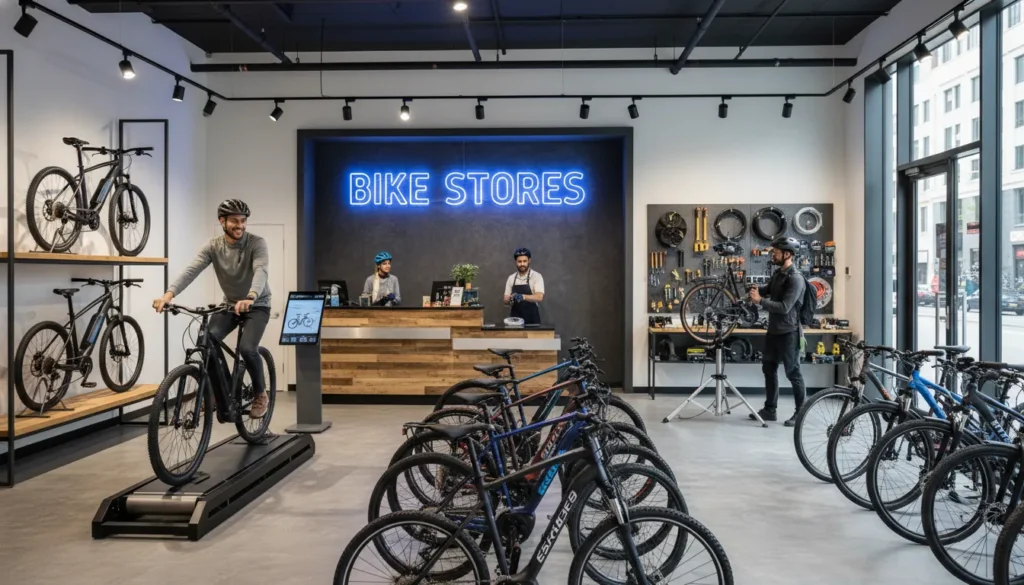
Walking into bike stores can feel like stepping into a new language—frame sizes, tire widths, tune-up tiers, and e-bike classes. You might be thinking: Do I need a local shop, an online store, or both? And how do I avoid overpaying or buying the wrong bike? The good news is that the best bike stores make this simple: they match you to the right bike, set it up correctly, and keep it running safely.
In this guide, I’ll break down what great bike stores do differently, what to look for when you’re buying an e-bike, and how Rad Power Bikes’ direct-to-consumer model pairs with a nationwide service network so you can ride with confidence.

What “Bike Stores” Really Offer (Beyond Bikes on a Floor)
The best bike stores aren’t just retail—they’re a fit-and-safety system. A strong shop helps you choose the right category (commuter, cargo, trail), confirm sizing, and keep the bike reliable over thousands of miles. When I helped a friend buy their first commuter e-bike, the “best deal” online wasn’t the best outcome—what mattered was correct fit, brake setup, and a real plan for maintenance.
Most quality bike stores provide:
- Guidance and sizing support (so you don’t guess your frame size)
- Test rides and handling checks (especially important for heavier e-bikes/cargo bikes)
- Assembly and safety inspection (torque checks, brake bed-in advice, tire pressure)
- Service and repairs (flat fixes, drivetrain tuning, brake alignment, diagnostics)
If a shop can’t explain why a bike is right for your routes and your body, it’s not doing the job a bike store should.
Types of Bike Stores: Local, Big-Box, and Online (and When Each Wins)
Not all bike stores are built for the same rider. Here’s the practical breakdown.
1) Local Bike Shops (LBS)
Local shops shine when you want relationship-based support and ongoing service. Many also run group rides and clinics, which can be a huge confidence boost for new riders.
Best for:
- Riders who value in-person fitting and quick service turnaround
- People who want a long-term maintenance partner
2) Big-Box Sporting Goods Retailers
These can be convenient and price-competitive, but service depth varies by location. If you buy here, confirm who assembles the bikes and what post-purchase support looks like.
Best for:
- Casual riders buying entry-level bikes
- Shoppers who prioritize convenience and broad availability
3) Online / Direct-to-Consumer (DTC) Bike Stores
Online-first brands often deliver strong value because you’re not paying for a traditional retail footprint. The tradeoff is that you need a clear plan for service—either DIY, a local shop, or a partner network.
Best for:
- Value-focused buyers who want feature-rich bikes for the price
- Riders comfortable with online research and scheduled service
Rad Power Bikes is a prime example of DTC done with support: the company has served 680,000+ riders and backs ownership with an expansive network of 1,400+ local bike shop partners across the U.S. for tune-ups and maintenance.

What to Look for in Bike Stores (A Quick Checklist That Saves Money)
When comparing bike stores, focus on the factors that reduce regret later: fit, service, and transparency.
Store quality signals
- Clear service menu (prices, what’s included, turnaround time)
- Mechanic credibility (certifications, experience, or strong local reputation)
- Test ride process (safe route, staff guidance, basic adjustments)
- Warranty support (who handles what, and how claims work)
Questions I always ask before buying
- Who assembles the bike and what’s checked? (ask about torque, brakes, shifting)
- What’s the first-service recommendation? (many bikes benefit from a check after early miles)
- Do you stock common wear parts? (brake pads, tubes/tires, chains)
- Can you service my bike type (especially e-bikes)? (some shops specialize)
A shop that answers confidently—without rushing you—is usually a shop you can trust.
E-Bikes Change the Game: What Bike Stores Should Handle Differently
E-bikes are heavier, faster, and more complex than many analog bikes. That doesn’t make them “hard”—it just means bike stores should take setup and service more seriously.
Key e-bike-specific considerations:
- Brake performance: extra weight means brakes matter more; ask about pad choice and rotor sizing.
- Tire selection: puncture protection and load rating are bigger deals for commuters and cargo riders.
- Fit and handling: a stable fit reduces wobble and fatigue, especially with racks or child seats.
- Electronics: understand what the shop can service (mechanical vs electrical diagnostics).
If you’re new to fit basics, this guide is a solid starting point: Basic Bike Fitting | Rad Academy.
| Store Type | Best For | Typical Pros | Common Tradeoffs | Smart Buyer Tip |
|---|---|---|---|---|
| Local Bike Shop | Fit help, ongoing maintenance, new riders | Expert sizing, test rides, tune-up support, warranty advocacy | Higher sticker price, smaller inventory, limited brands | Ask what’s included (fit, first tune-up, 30-day adjustments) before buying |
| Big-Box Retailer | Low-cost basics, casual/seasonal riding | Lowest upfront price, easy returns, widespread locations | Assembly quality varies, limited service expertise, lower-spec components | Budget for a professional safety check/tune-up right after purchase |
| Online/DTC Brand | Value-focused buyers comfortable with shipping/DIY | Great component spec for the price, frequent deals, wide size/stock options | No test ride, shipping delays, self-assembly, warranty handled remotely | Confirm return policy and measure yourself carefully; factor in shop build cost |
| DTC + Local Service Partners | Online value with local build/support, commuters & enthusiasts | Better specs + local assembly, partner service access, simpler warranty steps | Partner coverage varies, service fees may apply, less flexibility than full LBS | Verify partner shop availability, build cost, and warranty process in your area |
Why Rad Power Bikes Fits the “Best of Both Worlds” Bike Store Experience
A common worry with online buying is: “Who’s going to service it?” With Rad Power Bikes, the model is designed to reduce that friction: you buy direct, then tap into local support when you need it.
Here’s how that helps in real life:
- You can shop by use case (commuting, cargo hauling, adventure) without being limited by one store’s floor space.
- You can still get local service through partner shops for tune-ups and expert maintenance.
- You can build a practical setup with purpose-built accessories for your riding style.
If you’re shopping by category, these collections are helpful starting points:
I’ve found that most “new e-bike headaches” come from mismatched expectations—buying a commuter when you need cargo capacity, or skipping the early tune-up. A clear category choice plus a service plan solves most of it.
Essential 3-Month Maintenance Guide for Ebikes Tips and Checklists
Common Bike Store Mistakes (and How to Avoid Them)
Even good bike stores can’t prevent mistakes you don’t know to watch for. Here are the big ones I see riders make.
Mistake 1: Buying on price alone
A slightly cheaper bike can cost more if it doesn’t fit, needs immediate upgrades, or is hard to service. Prioritize fit, brakes, and support.
Mistake 2: Skipping the first service
Cables stretch, bolts settle, and shifting can drift early on. Plan a quick check after your first few weeks of riding.
Mistake 3: Ignoring your real routes
A “fun” bike that doesn’t match your hills, distance, or cargo needs becomes a garage ornament. Be honest about how you’ll ride most days.
Mistake 4: Underbuying security and safety gear
At minimum, plan for:
- A quality lock
- Front/rear lights
- Helmet and basic flat kit
Bike Stores and Community: Why the Best Shops Feel Like a Hub
The most memorable bike stores don’t just sell—they connect. Group rides, maintenance classes, and local spotlights help normalize cycling for people who don’t identify as “cyclists” yet.
If you want to support community-forward retail, this is worth reading: Spotlight: Black-Owned Bike Shops. Shops like these often become neighborhood anchors—helping more people ride, commute, and explore.
Trusted Sources for Learning More (Buying, Safety, and Maintenance)
For deeper research beyond any single brand or store, these are reliable starting points:
- PeopleForBikes (industry and advocacy insights that impact where and how people ride)
- League of American Bicyclists (education, safety resources, and cycling programs)
- NHTSA Bicycle Safety (U.S. safety guidance and visibility tips)
Use these to sanity-check claims, compare safety recommendations, and understand the bigger picture around biking infrastructure.

Conclusion: Choose Bike Stores That Support the Ride You Want
The right bike stores make biking easier—before you buy, on day one, and months later when your bike needs a quick tune. If you want the selection and value of buying direct without giving up local support, Rad Power Bikes’ approach—innovative e-bike design plus a wide partner network—can be a strong fit for commuting, cargo hauling, and everyday adventure.
If you’re shopping now, start by picking your riding goal (commute, errands, trail, family cargo), then choose a store experience that matches your comfort level and service needs. Share what kind of riding you’re planning—and what you wish bike stores explained better—so others can learn from your path.
FAQ: Bike Stores (People Also Ask)
1) What should I expect from bike stores when buying an e-bike?
A test ride, sizing guidance, basic setup checks (brakes/shifting), and a clear first-service plan. Ask what they can service on e-bikes versus what requires the manufacturer.
2) Are local bike stores more expensive than buying online?
Sometimes the sticker price is higher, but you may get value through fitting, assembly quality, and service support. Compare total cost including tune-ups and essential accessories.
3) How do I know if a bike store is reputable?
Look for transparent service pricing, strong reviews, knowledgeable staff, and a willingness to explain options without pressure. A clear warranty process is also a good sign.
4) Do bike stores work on direct-to-consumer e-bikes?
Many do, but capabilities vary. Confirm they service your bike’s mechanical components and ask what e-bike electrical issues they can diagnose.
5) When should I get my first tune-up after buying a bike?
Often after the first few weeks or early miles, depending on use. New bikes can need minor adjustments as parts settle.
6) What’s the best way to compare bike stores near me?
Call and ask about turnaround time, e-bike experience, and what’s included in a standard tune-up. If possible, visit and assess how they treat questions from new riders.
7) Should I buy accessories from bike stores or online?
Buy fit-critical items (helmet fitting, locks you can handle, racks) where you can get advice. Commodity items can be fine online, but check compatibility first.