
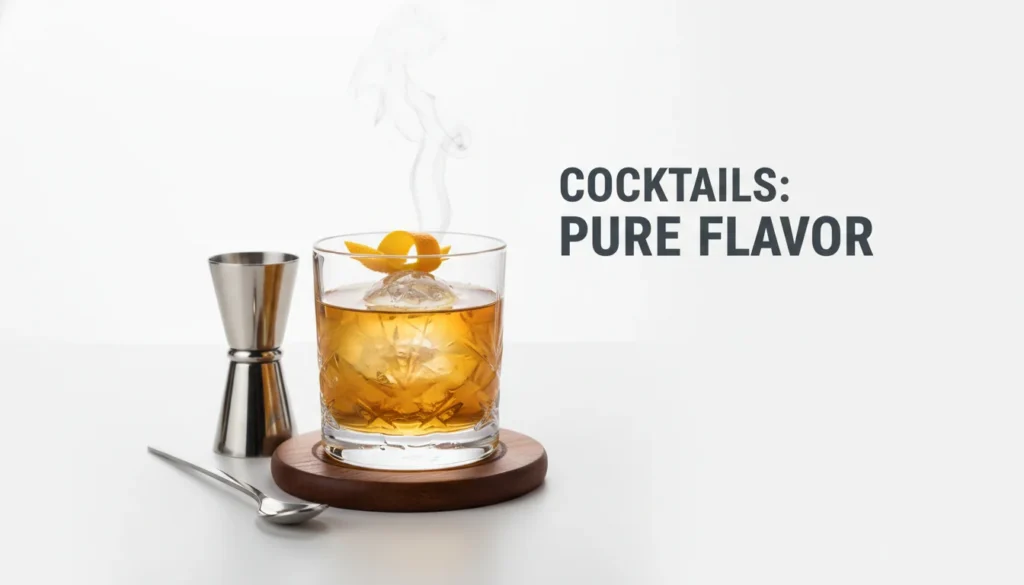
Why drinking cocktails feels easy—until your first warm sip
You order (or make) something that looks perfect: clear ice, bright citrus, a clean garnish. Then the drink warms up, dilutes too fast, or tastes “flat” halfway through. Drinking cocktails is part recipe and part moment—temperature, aroma, glassware, and pacing all change what you taste. The good news: a few professional habits can make almost any cocktail feel bar-quality at home.

What “drinking cocktails” really means (and why it’s not just alcohol + mixer)
A cocktail is built around balance—spirit, sweetness, acidity, bitterness, dilution, and temperature. When I started testing cocktails for small gatherings, I noticed the same recipe could taste “sharp” in one glass and “smooth” in another. The difference was almost always ice quality, chill time, and how fast it warmed in-hand. If you treat those like ingredients, your cocktails instantly improve.
The 5 elements that decide whether a cocktail tastes “right”
- Temperature: Cold hides harsh alcohol edges and makes flavors feel tighter.
- Dilution: Water from ice is essential—too little tastes hot, too much tastes thin.
- Aroma: Citrus oils and herbs hit your nose first, shaping perceived flavor.
- Texture: Shaking adds tiny air bubbles; stirring keeps a silky, clear body.
- Balance: A classic template (spirit + sour + sweet, or spirit + bitters + sugar) is hard to beat.
The easiest way to choose a cocktail you’ll actually enjoy
If you’re new to drinking cocktails, start with flavor families instead of brand names. This avoids ordering something “classic” that simply isn’t your style.
Quick cocktail style map (order with confidence)
- Citrusy & refreshing (Sours): Margarita, Daiquiri, Whiskey Sour
- Bitter & complex (Aperitivo): Negroni, Americano
- Spirit-forward & smooth (Stirred): Martini, Manhattan, Old Fashioned
- Tall & bubbly (Highballs): Mojito, Gin & Tonic, Spritz-style drinks
For a reliable list of globally recognized classics, the International Bartenders Association (IBA) cocktail list is a strong reference point.
How to drink cocktails like a pro: temperature, pacing, and the “first five sips”
Most people think the goal is to avoid dilution. In practice, the goal is controlled dilution—especially for spirit-forward cocktails. I’ve found the “best” sip is often around minute 3–8, when the drink has opened up but hasn’t gone watery.
A simple, repeatable method
- Start cold: Chill the glass (or use insulated drinkware) before pouring.
- Smell first: Take a quick nose above the rim; it sets your palate.
- Small first sip: Check sweetness and acidity before committing to a big gulp.
- Adjust early: A pinch of salt, a fresh squeeze, or a quick stir can rescue balance.
- Pace with water: Alternate sips—your palate stays sharp and you feel better.

The biggest mistakes people make when drinking cocktails (and how to fix them fast)
Even great recipes can fail in the last step: serving. These are the issues I see most when helping friends set up a “serve yourself” cocktail station.
| Problem | What It Tastes Like | Likely Cause | Quick Fix |
|---|---|---|---|
| Warm drink | Flabby, harsh alcohol, not crisp | Warm glass/spirits, not enough ice, slow service | Chill glass, use fresh hard ice, pre-chill spirits, shake/stir longer |
| Over-diluted | Thin, weak, washed-out flavors | Over-stir/shake, wet/soft ice, drink sat too long | Shorten stir/shake, use larger/colder ice, serve immediately, strain well |
| Too sour | Sharp, puckering, citrus dominates | Too much citrus, under-sweetened, unbalanced spec | Add simple syrup (¼ oz at a time), add a dash of liqueur, re-taste |
| Too sweet | Cloying, sticky, one-note | Too much syrup/liqueur, sweet juice, low acid | Add lemon/lime (¼ oz at a time), add bitters, lengthen with soda |
| Tastes boozy | Hot, spirit-forward, ethanol burn | Too much base spirit, under-diluted, wrong ratio | Add dilution (stir with ice), add citrus/syrup in small amounts, top soda |
| Flat aroma | Muted nose, smells like nothing | No garnish oils, old citrus, cold numbs aromatics | Express citrus peel, use fresh herbs, swap fresh citrus, serve slightly colder |
| Watery garnish melt | Diluted sip near garnish, watered fruit taste | Ice in garnish, thawed fruit, wet garnish | Use fresh dry garnish, avoid frozen fruit, blot dry, add garnish last |
High-impact fixes that take under 60 seconds
- Warm cocktail: Add fresh ice, stir 10 seconds, and re-garnish with citrus oil.
- Too sour: Add 0.25 oz simple syrup (or a barspoon at a time) and stir.
- Too sweet: Add a squeeze of lemon/lime or a splash of soda and stir.
- Too boozy: Add ice + stir (for stirred drinks) or add a touch of chilled water.
- Flat aroma: Express a citrus peel over the top; it’s immediate.
For party setups where drinks sit out, a dedicated cold strategy matters—this guide on How to Keep Drinks Cold at a Party pairs well with cocktail service.
Home hosting: make drinking cocktails effortless for guests
When you’re hosting, the goal isn’t showing off—it’s keeping every drink consistent. The best upgrade is a simple station: labeled spirits, one “house” citrus, one sweetener, and a clear ice plan. I’ve done this for birthdays and backyard hangs, and it dramatically cuts “What do I do next?” questions.
A clean cocktail station checklist
- Ice: Large cubes for rocks, smaller ice for shaking, plus a scoop.
- Citrus: Lemons/limes + peeler; keep wedges covered and cold.
- Two modifiers: Simple syrup + bitters (or vermouth if you like stirred classics).
- Garnishes: Citrus twists, mint, olives—kept chilled and dry.
- Cold holding: Insulated cups or a chilled vessel so drinks don’t fade fast.
For layout inspiration, these Party Drink Station Display Ideas are practical and photo-friendly. If you’re planning seasonal menus, Effortless Holiday Drinks to Delight Your Guests is a strong starting point.
How to Mix a Drink – are you doing it wrong?
Classic cocktails to know (and what to expect when drinking them)
You don’t need 50 recipes—just a few anchors. Many of the drinks below are widely recognized classics, and you’ll see them across reputable recipe sources like Liquor.com cocktail recipes and editorial roundups such as Epicurious classic cocktails.
6 classics that teach you the fundamentals
- Margarita (sour template): Bright, salty, citrus-forward; great with food.
- Daiquiri (simple, revealing): Rum + lime + sugar; shows ingredient quality fast.
- Negroni (bittersweet balance): Bold, aromatic, slow-sipping.
- Old Fashioned (spirit-first): Minimalist; dilution and ice size matter most.
- Martini (precision drink): Temperature and dilution decide everything.
- French 75 (sparkling lift): Crisp, celebratory, easy for crowds.
Responsible drinking cocktails: simple guardrails that still feel fun
Enjoyment and safety can coexist. Cocktails vary widely in strength, and “one drink” can mean very different alcohol content depending on pour size and recipe.
Practical, non-preachy rules that work
- Set a pace: Aim for one cocktail per hour, especially with strong stirred drinks.
- Eat first: Protein and fats slow absorption and steady the experience.
- Measure at home: Jiggers aren’t fussy—they’re consistency.
- Plan the ride: If you’re hosting, build in zero-proof options and water access.
For evidence-based guidance on alcohol and health, see CDC alcohol and public health.
Conclusion: make drinking cocktails taste as good as they look
At their best, drinking cocktails is a small ritual: the chill of the glass, the first citrus aroma, the way the flavor opens as it dilutes just enough. I’ve learned that the difference between “fine” and “fantastic” is rarely a secret ingredient—it’s temperature control, good ice, and a repeatable method. If you want your next round to stay colder, taste cleaner, and feel more consistent, build your setup around smart chilling and easy service.
FAQ: Drinking cocktails
1. What are the easiest cocktails to start with?
Margaritas, Daiquiris, Mojitos, and Gin & Tonics are beginner-friendly because the flavor cues (citrus, sweetness, bubbles) are easy to recognize and adjust.
2. Should I shake or stir a cocktail?
Shake drinks with citrus, dairy, egg, or juice for texture and chill. Stir spirit-forward cocktails (like Martinis and Manhattans) to keep them clear and silky.
3. Why do my cocktails taste too strong?
Usually it’s under-dilution or not enough chill. Use more ice, stir/shake longer, and start with a properly chilled glass or insulated cup.
4. How do I keep cocktails cold longer at a party?
Pre-chill ingredients, use larger ice, keep garnishes cold, and serve in drinkware that reduces warming from hands and ambient heat.
5. What’s the best ice for drinking cocktails?
Large, clear cubes melt slower for rocks drinks; smaller cubes or cracked ice work well for shaking because they chill quickly and dilute appropriately.
6. Are ready-to-drink cocktails worth it?
They can be, especially for convenience. Pouring over fresh ice and adding a real garnish (citrus peel or herb) noticeably improves aroma and taste.
7. How do I make cocktails less sweet without ruining them?
Add fresh lemon/lime, a splash of soda, or a dash of bitters. Adjust in small steps and stir between changes.