
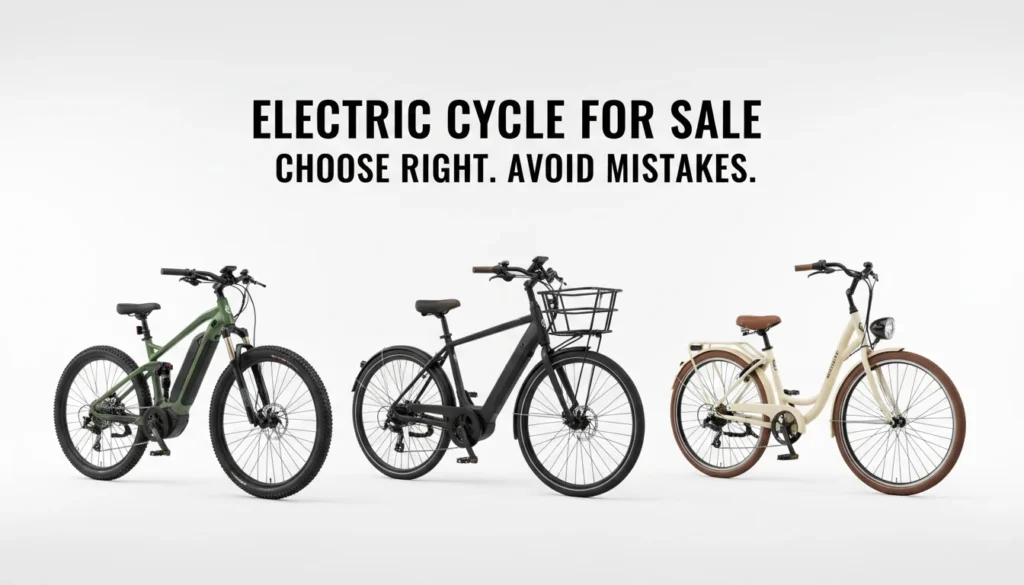
You’re standing at the curb watching traffic crawl, and the thought hits: there has to be a better way to get around. If you’ve been searching for an electric cycle for sale, you’re not alone—ebikes have become the practical middle ground between a car and a traditional bike. The tricky part isn’t finding options; it’s sorting the “good fit” from the “good marketing.” This guide breaks down what to buy, what to skip, and how to choose an electric cycle you’ll still love after the first 30 days.

Why an Electric Cycle for Sale Is Worth Considering (Beyond the Hype)
An electric cycle (electric bicycle/ebike) adds motor assistance to your pedaling, which means hills flatten out and longer rides feel realistic. In my experience helping new riders choose their first ebike, the biggest “aha” moment is realizing you don’t need to arrive sweaty or exhausted to replace short car trips. That’s why many people use an ebike for commuting, errands, fitness, and weekend rides—often on the same bike.
Key benefits most buyers actually notice week-to-week:
- Time consistency in traffic-heavy areas (less dependent on parking and congestion).
- Lower running costs than car ownership for short trips.
- More riding frequency because the barrier to “just go” is smaller.
For a broad overview of how ebikes work and why they’re growing, see PeopleForBikes for industry and safety advocacy updates.
Electric Cycle for Sale: Start With “Where Will You Ride?”
Before specs, decide your primary riding scenario. This single step prevents the most common regret: buying the wrong category (like a heavy cargo bike when you really needed a nimble commuter).
Common use-cases and best-fit categories:
- City commuting & daily errands: upright geometry, integrated lights, fenders, rack compatibility.
- Hauling kids, groceries, gear: long-tail or utility frames with higher payload capability.
- Off-road & mixed terrain: wider tires, stronger braking, stable handling.
- Small apartments/RV life: folding frames and compact storage.
If you already know you’re mainly commuting, start with Electric City & Commuter Bikes. If you’re hauling, Electric Cargo & Utility Bikes is the more direct match.
The 7 Specs That Matter Most When Buying an Electric Cycle
Most “electric cycle for sale” listings overwhelm you with numbers. Here’s what actually changes your ride quality and ownership experience.
1) Motor Type (Hub vs Mid-Drive)
- Hub motors (common in value-focused ebikes) are reliable and smooth for commuting and moderate hills.
- Mid-drive motors often feel more “natural” because they drive through the bike’s gears and use sensors to match your pedaling.
Yamaha explains how sensor-driven assist works in mid-drive systems on their technology pages: Yamaha Bicycles.
2) Battery Capacity & Real-World Range
Range depends on rider weight, hills, wind, tire pressure, and assist level. I’ve tested this personally: two riders on the same route can see dramatically different results just by using different assist modes and cadence.
Practical range tips:
- Expect less range in cold weather and on steep terrain.
- Look for removable batteries if you can’t charge where you park.
3) Fit and Frame Style (Step-Thru vs Step-Over)
If you’ll ride in everyday clothes, carry cargo, or want easy mounting, step-thru frames are often the most confidence-inspiring option. Fit issues are a top reason people stop riding, so prioritize comfort over “sporty” looks.
4) Brakes and Stopping Power
Heavier ebikes need stronger braking. Look for:
- Disc brakes (mechanical or hydraulic)
- Predictable lever feel
- Easy service access
5) Tires: Width, Tread, and Stability
- Narrower tires roll faster on pavement.
- Wider tires add comfort and grip, especially on broken roads.
6) Total Weight (and Where You’ll Store It)
If you’ll carry the bike upstairs or lift it onto a rack, weight matters more than you think. Lightweight models can be a game-changer for daily use.
7) Warranty + Service Network
A great ebike with poor support becomes expensive quickly. Prioritize brands that offer:
- Clear warranty terms
- Available replacement parts
- Local service options
Rad Power Bikes’ model—direct-to-consumer plus a network of service partners—can be especially helpful for first-time owners.
| Rider Need | Best Ebike Category | Key Features to Prioritize | Common Mistake to Avoid |
|---|---|---|---|
| Commuting | City/Commuter ebike | 500–750W motor, 48V battery (500–700Wh), fenders & lights, rack mounts, puncture-resistant tires | Buying without integrated lights/fenders or enough range for round trip |
| Cargo/Family hauling | Longtail cargo or front-loader | High payload rating, dual kickstand, hydraulic brakes, torque sensor, child-seat compatibility, wide gear range | Underestimating total load (kids + gear) and choosing weak brakes |
| Off-road/adventure | eMTB (hardtail/full-suspension) | Mid-drive motor, torque sensor, 120–160mm suspension, tubeless-ready tires, high ground clearance | Choosing slick tires/rigid fork and overheating a hub motor on climbs |
| Folding/portable | Folding commuter ebike | Compact fold size, <25 kg if possible, carry handle/rollers, quick-release pedals, sturdy hinge/lock | Picking a heavy “folding” bike that’s awkward to lift or store |
| Stability-focused (trike) | Electric trike (delta or tadpole) | Low step-through, differential/traction design, parking brake, wide tires, upright geometry, basket options | Ignoring turning stability (tipping risk) and buying too narrow a track |
| Lightweight/quick handling | Light ebike / e-gravel / road ebike | 15–20 kg target, responsive geometry, smaller battery (250–500Wh), quality components, efficient tires | Prioritizing huge battery/motor and ending up with a sluggish, heavy bike |
New vs Used Electric Cycle for Sale: What’s the Smarter Buy?
A used electric cycle can be a bargain, but batteries age—sometimes invisibly. If you’re buying used, treat the battery like the “engine” of the bike.
Checklist for used ebike purchases:
- Ask for battery age, storage habits, and charge cycles (if available).
- Confirm charger is included and matches the battery.
- Inspect frame, wheels, and drivetrain for wear.
- Test ride for motor cutouts or error codes.
If you want discounted options with more buyer protection, “certified pre-owned” marketplaces can help, but always read warranty terms carefully.
Understanding Ebike Classes (So You Buy the Right Electric Cycle for Your Area)
Ebike rules vary by location, but many places use a class system:
- Class 1: pedal-assist only, up to 20 mph
- Class 2: throttle + pedal-assist, up to 20 mph
- Class 3: pedal-assist, up to 28 mph
If you’re unsure what’s legal on local paths or trails, start with a clear explainer like PeopleForBikes’ policy resources and check your city/state guidance.
For a brand-specific breakdown, Rad also covers class differences here: What Different Classes of Electric Bikes Mean.

Where to Find an Electric Cycle for Sale (and How to Compare Apples to Apples)
You’ll see electric cycles for sale through:
- Direct-to-consumer brands (often better value/specs per dollar)
- Local bike shops (strong service relationship, test rides)
- Big-box marketplaces (wide selection, uneven quality control)
- Refurbished/certified sellers (value + some protection)
When comparing, standardize your evaluation:
- Compare battery capacity (Wh) and not just “miles.”
- Confirm brake type and rotor size (if listed).
- Look for UL-certified electrical systems when possible (many brands reference UL 2849/2271 compliance).
For safety guidance, including battery handling and charging practices, reference UL Solutions (helpful context on standards and what they mean).
Why Many Riders Choose Rad Power Bikes for an Electric Cycle for Sale
Rad Power Bikes has been in the ebike space since 2005 and has grown a large rider community (680,000+). From what I’ve seen, buyers who are new to ebikes tend to value three things Rad emphasizes: practical designs, a broad lineup (commuter, cargo, folding, off-road), and a service ecosystem that doesn’t leave you guessing after delivery.
Three strong starting points depending on your goal:
- Daily riding and urban travel: Electric City & Commuter Bikes
- Carrying more (groceries, gear, kid seats): Electric Cargo & Utility Bikes
- Want to try before committing: Want to Test Ride an Ebike? Here’s How.
Before You Buy an eBike: The Ultimate Buyers Guide!
Test Ride Script: 10 Minutes That Prevent Buyer’s Remorse
If you can test ride, use a simple routine. I’ve done this with first-time buyers and it quickly reveals fit and handling issues that specs can’t.
Do this in order:
- Mount/dismount (especially important for step-thru vs step-over).
- Ride at low speed and do a tight turn—check stability.
- Try each assist level and note how smoothly power engages.
- Brake firmly from a moderate speed—check confidence and noise.
- Find a hill (or simulate load) and test climbing without strain.
If anything feels “twitchy,” too tall, or hard to control, size or category is likely wrong.

Common Buying Errors (and the Fixes)
Buying an electric cycle for sale is a lot like buying a car: the cheapest sticker price can become the most expensive ownership experience.
Most common mistakes:
- Overbuying speed, underbuying comfort (fit wins long-term).
- Ignoring service and parts availability.
- Assuming listed range is guaranteed (it’s not).
- Choosing the wrong category for your actual routine.
Simple fixes:
- Prioritize fit, brakes, and support first.
- Pick the category that matches your “80% use-case,” not your dream ride.
Conclusion: The Right Electric Cycle for Sale Feels Like Freedom (Not a Project)
The best electric cycle for sale is the one that fits your daily life: comfortable, reliable, and easy to maintain. When you choose the right category, confirm the specs that matter, and buy from a brand with real support, your ebike becomes transportation you want to use. If you’re leaning commuter or cargo, Rad Power Bikes is a strong place to start because the lineup maps cleanly to real rider needs and the support model is built for ownership—not just checkout.
FAQ: Electric Cycle for Sale
1) What is the best electric cycle for sale for commuting?
Look for a commuter-focused ebike with comfortable geometry, integrated lights, fenders, and dependable brakes. Range and service support matter more than top speed for daily use.
2) How much should I spend on an electric cycle for sale?
Budget depends on use-case, but prioritize battery quality, braking, and warranty. Very low-priced options can cost more later if parts and service are hard to source.
3) How do I know what size electric cycle to buy?
Use the brand’s sizing guide, but confirm with a test ride if possible. If mounting feels awkward or you can’t comfortably reach the bars, consider a different size or a step-thru frame.
4) Are folding electric cycles worth it?
Yes if storage and portability are your main constraints (apartments, RVs, trunk transport). Expect slightly different handling due to smaller wheels and compact geometry.
5) How long does an ebike battery last?
Battery lifespan depends on chemistry, charging habits, and storage temperature. With good care, many riders get years of use, but performance gradually declines over time.
6) Can I ride an electric cycle in the rain?
Most ebikes are designed for wet conditions, but avoid submerging components and follow the manufacturer’s care guidelines. Good fenders and tire traction make a big difference.
7) What should I check before buying a used electric cycle for sale?
Verify battery condition, charger compatibility, motor behavior on a test ride, and overall wear (chain, cassette, brakes, tires). If the seller can’t answer basic battery questions, be cautious.