
Flasks are the quiet sidekick of good moments—tucked into a jacket at a wedding, slipped into a hiking pack, or waiting in a tailgate cooler for that “one small pour.” But not every flask keeps flavor clean, temperature stable, and leaks off your favorite outfit. So what makes a flask actually worth carrying, and which features matter for real life?
In this guide, I’ll break down flask types, materials, sizes, care, and etiquette—plus how modern insulated flasks (like Corkcicle Cool Flasks) fit today’s on-the-go lifestyle.
What Are Flasks (and What Are They For)?
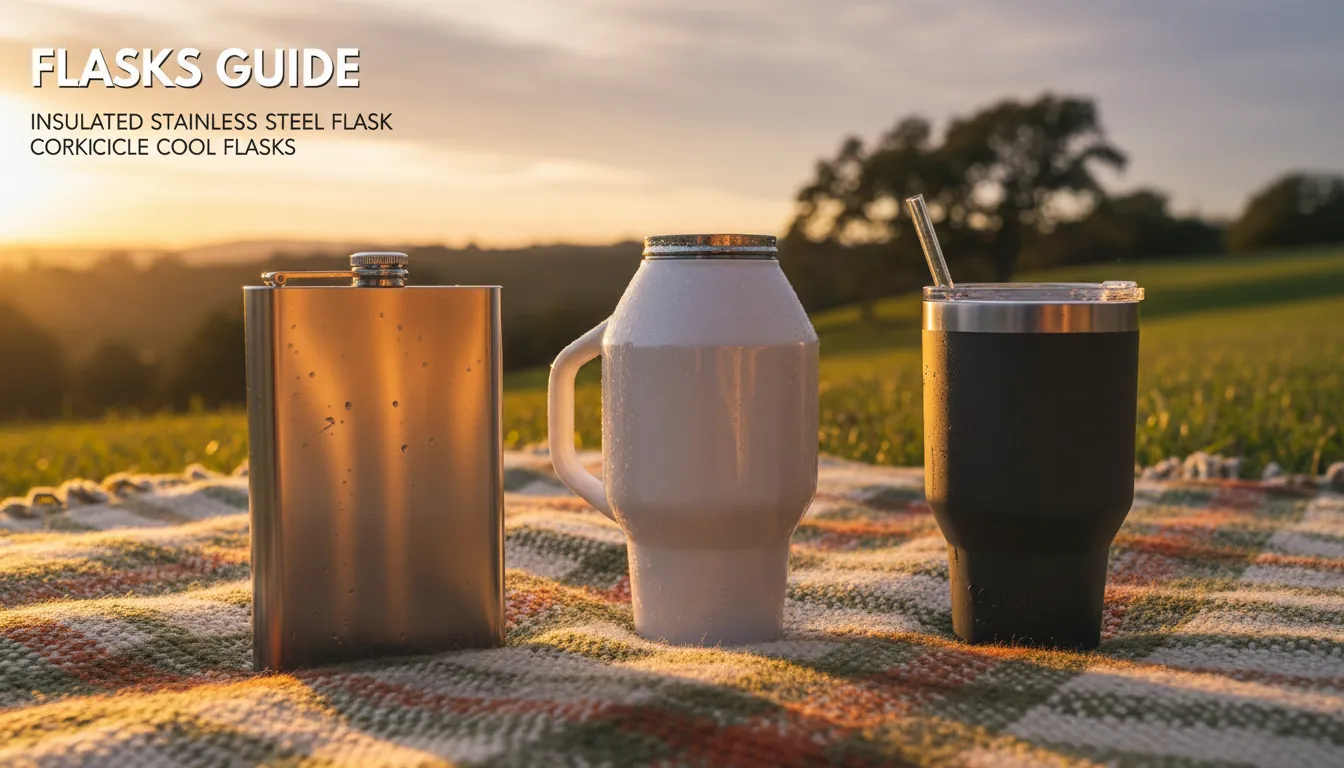
Flasks are compact containers designed to carry beverages—most commonly spirits—securely and discreetly. Traditionally, a flask is pocket-sized with a tight cap to prevent leaks and a curved shape that sits flat against your body. Today, the word “flasks” also gets used for larger, travel-friendly drink containers, including insulated models built for longer outings.
In practice, people use flasks for:
- Spirits on the go (whiskey, bourbon, tequila, etc.)
- Outdoor hosting (camping, tailgates, cabin weekends)
- Events where you want a controlled pour (and less waste)
- Gifting (engraving and personalization are popular)
Types of Flasks: Pick the Right Style for Your Use
Flasks come in several formats, and the best choice depends on how you’ll carry and serve.
Hip flasks (classic pocket flasks)
These are the traditional curved metal flasks, usually 6–9 oz. They’re easy to conceal and quick to sip from, but they’re not ideal for sharing or keeping drinks chilled.
Travel/cocktail flasks (group-friendly)
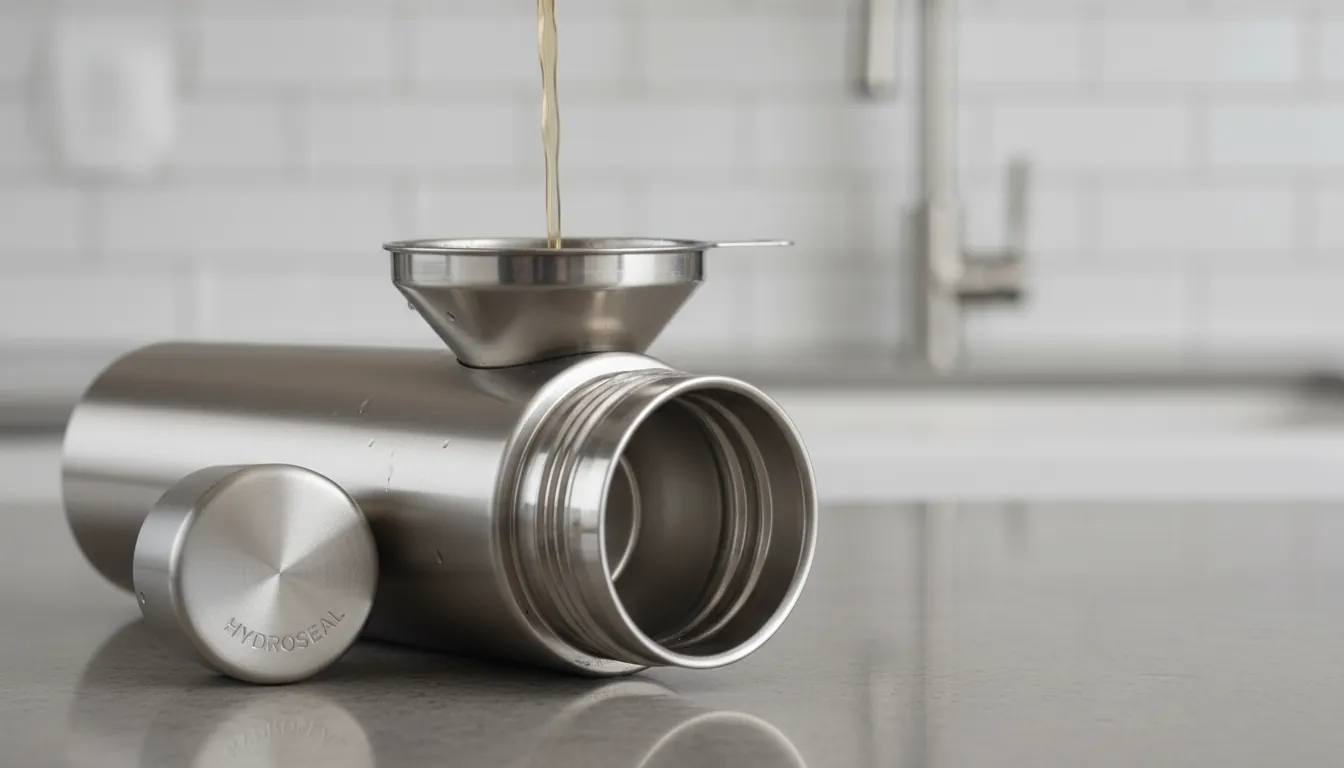
Some modern flasks are designed for pouring into cups and sharing outdoors, not just “one quick sip.” I’ve used these for cabin weekends, and the biggest difference is convenience: wider openings, easier pours, and less mess when refilling.
Hidden flasks (novelty/discreet)
These are disguised as everyday items. They exist, they sell, and they’re not what most people mean by “premium flasks.” Be extra careful: venue rules and local laws can apply, and many designs sacrifice durability and taste.
Insulated flasks (performance-first)
Insulated flasks focus on temperature control, leak resistance, and durability. If you want cold drinks to stay cold longer—or you’re carrying a flask in a bag next to electronics—this category is usually the safest bet.
Flask Materials: How They Affect Taste, Durability, and Cleaning
Material choice can make or break your experience with flasks—especially taste.
- Stainless steel: Durable and common. High-quality steel reduces odor retention, but lower-end builds can sometimes pick up lingering aromas if not cleaned well. For a broader material breakdown, see Stainless Steel vs Plastic vs Glass Water Bottles.
- Glass: Very taste-neutral and great for flavor preservation, but less impact-resistant in the real world (pockets, backpacks, tailgates).
- Titanium: Lightweight and premium, often priced higher. Great for outdoors.
- Plastic: Light and cheap, but can hold odors and isn’t ideal for flavor integrity over time.
A practical rule I use: if you care about clean flavor and long-term use, prioritize taste-neutral interiors + easy cleaning access over trendy exteriors.
Sizing Flasks: What Capacity Makes Sense?
Most classic flasks range from 4–10 oz, with 6–8 oz as the everyday sweet spot. Smaller sizes are easier to carry, but they run out fast if you’re sharing. Larger capacities can be bulky and encourage overpacking (and sometimes overpouring).
Here’s a simple sizing guide:
- 4–6 oz: Solo use, formal wear, minimalist carry
- 7–9 oz: Best all-around, easy to share a little
- 10+ oz: Group situations, longer outings, less pocket-friendly
What to Look For in a Great Flask (Features That Matter)
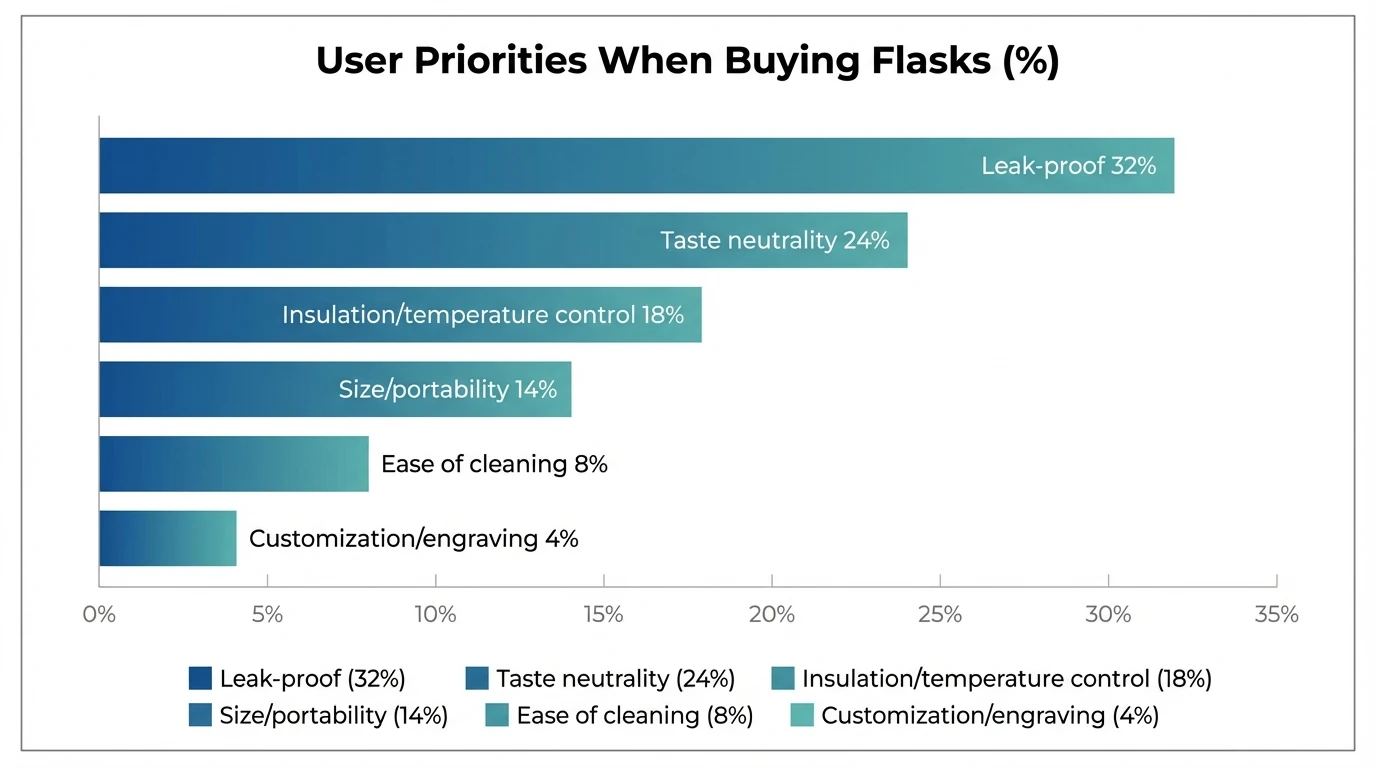
When I test flasks, I judge them on the things that fail first in real life: caps, seals, and cleanup. Look for:
- Leak-proof cap design
- A secure seal matters more than cap style (attached vs detached).
- Wide enough opening
- Easy filling reduces spills and sticky threads around the mouth.
- Flavor protection
- Avoid interiors that hold odors; prioritize taste-neutral linings/materials.
- Insulation (if you want cold retention)
- If you actually care about temperature, insulated flasks outperform classic hip flasks.
- Grip and carry
- Non-slip finishes and compact shapes matter for one-handed pours.
If you’re comparing premium drinkware brands overall, it helps to see how performance features stack up in adjacent categories—this comparison is useful context: Battle of the Bottles: Corkcicle vs. Stanley Tumblers.
| Flask Type | Best For | Typical Size (oz) | Pros | Cons | What to check before buying |
|---|---|---|---|---|---|
| Hip flask | Discreet carry at events, travel | 6–8 | Slim, classic, easy to pocket | Can impart metallic taste; caps can loosen | Leak-proof cap hinge; stainless grade (18/8); rounded edges |
| Glass flask | Flavor purists (whiskey, cocktails) | 8–12 | No taste transfer; easy to clean; see contents | Breakable; bulkier; often needs a protective sleeve | Protective silicone/leather sleeve; thick glass; secure stopper |
| Titanium flask | Ultralight outdoor use, long-term carry | 6–8 | Very light; corrosion-resistant; minimal taste transfer | Expensive; dents possible; limited styles/accessories | Weld quality; cap seal/O-ring; authenticity (grade/material) |
| Hidden flask | Covert carry (stadiums, cruises) | 3–8 | Concealable; often flexible; lightweight | Lower durability; harder to clean; may retain odors/taste | Food-grade material; strong seams; wide fill opening; no odor |
| Insulated flask | Keeping drinks hot/cold (coffee, tea) | 12–20 | Temperature retention; larger capacity; good for day use | Too bulky for pockets; not discreet; not ideal for spirits | Vacuum insulation; lid seal; fits cup holder; easy-clean interior |
Why Insulated Flasks Are Taking Over (Especially for Outdoor Use)
Classic flasks are iconic, but insulated flasks fit how people actually drink today: slower pacing, better temperature control, and more social settings. With insulation, you can keep a mixed drink cooler longer or reduce temperature swings that can flatten aroma and taste.
From a design standpoint, premium insulated drinkware brands (including Corkcicle) typically emphasize:
- Advanced insulation to maintain temperature longer
- Spill resistance for bag carry
- Taste-focused interiors to reduce metallic aftertaste
- Durable, lifestyle-friendly finishes that look good on the table and survive travel
If you’re building a full bar setup, pairing the right flask with proper glassware also improves the experience—this breakdown is a helpful companion: Exploring Whiskey Glass Varieties: Types, Uses, and Care.
How to Use a Flask Without Ruining the Drink (or the Flask)
A flask is not a long-term storage bottle. I’ve made this mistake early on—leaving whiskey in a cheap flask “for later”—and the result was a faint stale odor that took multiple washes to remove.
Use these best practices:
- Fill shortly before you go, not weeks in advance.
- Avoid dairy, citrus-heavy cocktails, and sugary mixes in standard hip flasks (they’re harder to clean and can sour).
- Rinse immediately after use with warm water.
- Deep clean weekly if you use flasks often (mild soap + thorough rinse).
- Air-dry fully with the cap off to prevent trapped odors.
For general cleaning guidance aligned with food-contact safety, the CDC’s guidance on cleaning and sanitizing is a solid baseline for principles (especially around rinsing and drying).
Flask Etiquette and Legal Basics (Quick Reality Check)
Flasks are about convenience—not cutting corners. Before you carry one:
- Check local open-container laws and venue rules.
- Respect private property policies (weddings, stadiums, concerts).
- Think safety: never mix flasks with driving plans.
For general alcohol safety and responsible-use guidance, see NIAAA’s drinking levels and guidance. For event-specific regulations, your city/state government site is the most reliable source.
Personalization: Engraving, Gifting, and When It’s Worth It
Personalized flasks make memorable gifts because they’re practical and sentimental. Engraving is most worth it when the flask is already high quality—great looks don’t compensate for leaks or lingering odors.
Best gifting occasions:
- Weddings (groomsmen/bridesmaids gifts)
- Milestone birthdays
- Graduations
- Retirements
- Holiday bundles with glassware or accessories
The Hip Flask Guide – Gentleman’s Gazette
Conclusion: The Best Flasks Feel Invisible—Until You Need Them
The best flasks don’t demand attention; they just quietly deliver a clean-tasting, leak-free pour when the moment calls for it. If you want classic pocket carry, a well-built hip flask works. If you care about performance—especially outdoors—insulated flasks are the upgrade you’ll notice every time you open your bag and everything inside is still dry.
If you’re choosing a flask right now, tell me how you’ll use it (pocket, hiking, tailgates, gifting) and what you drink most—I’ll recommend the best flask features for your exact scenario.
FAQ: Flasks
1) What size flask is best for everyday carry?
Most people prefer 6–8 oz flasks for daily portability and enough capacity for a few pours.
2) Do stainless steel flasks change the taste of alcohol?
Quality stainless steel usually won’t, but poor cleaning or low-grade interiors can hold odors. Rinse and fully air-dry after use.
3) Are insulated flasks worth it?
Yes if you want temperature control, better bag safety, and a more “travel drinkware” experience instead of a quick pocket sip.
4) Can I put cocktails in a flask?
You can, but avoid drinks that are creamy, very sugary, or citrus-heavy unless the flask is designed for easy cleaning.
5) How do I clean a flask properly?
Warm water rinse after each use, mild soap wash as needed, then air-dry completely with the cap off.
6) Is it safe to store alcohol in a flask long-term?
A flask is best for short-term carry. For long-term storage, use the original bottle or a sealed glass container.
7) What’s the difference between a hip flask and a modern travel flask?
Hip flasks prioritize pocketability; modern travel/insulated flasks prioritize pouring, sharing, and temperature stability.