
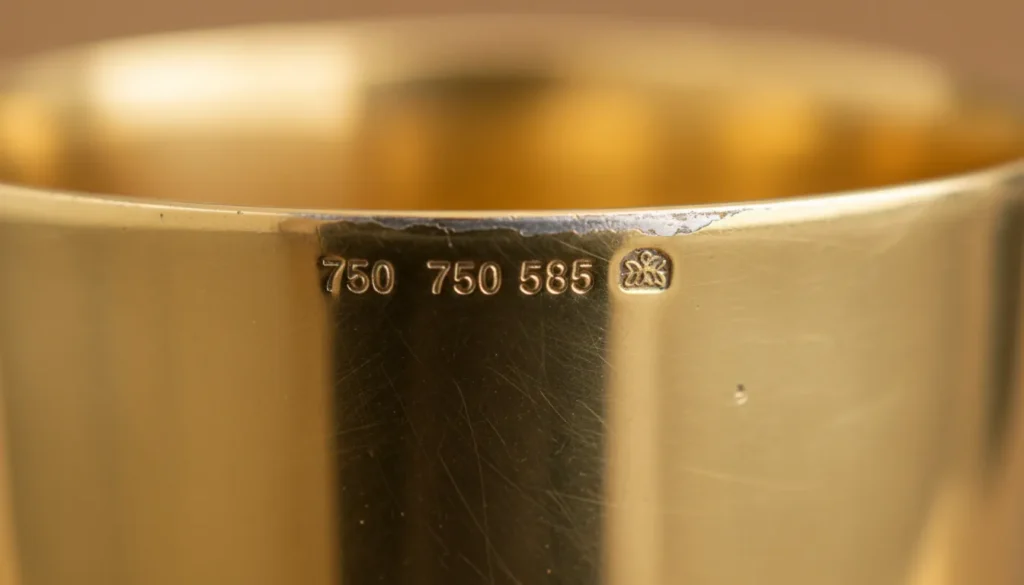
A “gold cup” can mean three very different things: a solid-gold heirloom, a gold-plated trophy, or a gold-colored drinkware piece that only looks precious. I’ve handled all three in workshops and small-batch production, and the confusion usually shows up at the same moment—when someone tries to price it, clean it, or personalize it. Is it real gold, safe to drink from, and will engraving ruin the finish? This guide breaks down what gold cups really are, what they’re worth, and how to care for them—without hype.

What “Gold Cups” Usually Are (and Why It Matters)
Most gold cups fall into one of these categories, and each behaves differently in daily use and customization.
1) Solid gold (rare, expensive, soft)
Solid-gold cups are typically made from 14K, 18K, or 22K alloys rather than pure 24K, because pure gold is very soft. In practice, solid gold dents more easily than people expect, especially at the rim and foot. If it’s truly solid, value is driven heavily by metal weight and karat, plus provenance.
2) Gold-plated or gold vermeil (most common in “fancy” items)
A large share of decorative gold cups are base metal (brass, copper, stainless) with a thin gold layer. Vermeil specifically means gold over sterling silver, usually with minimum thickness requirements depending on the region and standard. Plated finishes look great but can wear at high-contact areas (rim, handle, base) and can be damaged by harsh cleaners.
3) Gold-tone (not gold, just color)
“Gold-tone” often means a titanium nitride (TiN) coating, PVD finish, lacquer, anodized color (on aluminum), or paint. These can be durable, but they have different cleaning limits and almost never have precious-metal resale value.
Myth-Busting: Common Gold Cup Claims (True vs False)
-
Myth: If it’s shiny and heavy, it’s solid gold.
Heavy often means brass or steel. Solid gold is dense, yes, but so are many base metals. Verification needs markings and testing. -
Myth: “24K gold cup” means pure gold you can use daily.
Pure gold is too soft for most practical drinkware. Daily handling can deform it. -
Myth: Plated gold is “maintenance-free.”
Plating is thin. Abrasion and aggressive chemicals are the fastest ways to expose the base metal. -
Myth: You can engrave any gold cup the same way.
Engraving outcomes depend on substrate (steel vs brass vs silver), coating type (electroplate vs PVD), and desired look (marking vs deep engraving).
For general precious-metal guidance and consumer education, see World Gold Council’s gold purity overview and hallmarking context via the International Hallmarking Convention (Vienna Convention).
How to Tell What Kind of Gold Cup You Have (Quick Checks)
When someone brings me gold cups to personalize, I do a fast triage before recommending any process.
Step-by-step identification
- Look for hallmarks (inside base, underside, near rim/handle).
Common marks include 10K/14K/18K/22K, 417/585/750/916, “GP” (gold plated), “GEP,” “GF” (gold filled), “Vermeil,” “925” (sterling). - Check magnetism (a weak indicator).
Gold isn’t magnetic. But many non-magnetic metals exist too (brass, copper, some stainless), so this only rules in certain steels. - Inspect wear points under bright light.
If you see a different color peeking through at edges, it’s likely plated or coated. - Use professional testing for certainty.
Jewelers may use XRF or acid testing depending on the item and risk tolerance.
Value: What Gold Cups Are Worth (Beyond the Hype)
The value of gold cups usually comes from a mix of metal content, craftsmanship, and story.
Main value drivers
- Material: solid gold > vermeil > plating > gold-tone
- Weight and karat (solid gold): more gold content typically means higher intrinsic value
- Maker and provenance: trophies, historical cups, limited editions
- Condition: dents, rim damage, worn plating, repaired handles
- Customization quality: professional engraving can add value for awards and branding

Practical pricing note
If you’re evaluating a solid-gold piece, get a non-destructive assessment (often XRF) before assuming “scrap value.” For plated and gold-tone, resale is usually about brand, rarity, and aesthetics—not melt value.
Care & Cleaning: Keep Gold Cups Looking New
I’ve seen more finishes ruined by “helpful” cleaning than by normal use. Treat gold cups based on what they’re made of.
Safe baseline cleaning (works for most)
- Rinse with warm water
- Use mild dish soap and a soft microfiber cloth
- Dry immediately to prevent water spots
What to avoid (especially for plated finishes)
- Abrasive pads, toothpaste, baking soda scrubs
- Chlorine bleach and strong acidic cleaners
- Dishwasher cycles (heat + detergent + agitation = finish wear)
If it’s solid gold
Solid gold won’t rust, but it can scratch and dent. Store it separately and avoid stacking. If it’s an heirloom, consider a jeweler for periodic polishing to avoid removing detail.
For general cleaning and materials safety best practices, you can cross-check guidance from organizations like the Smithsonian’s conservation resources (helpful for thinking about gentle cleaning and preservation).
Personalization & Engraving: Getting Professional Results on Gold Cups
Personalized gold cups (awards, commemoratives, branded drinkware) are a big driver of demand. The trick is matching the method to the material and finish.
Common personalization methods
- Laser marking: high precision; ideal for logos, names, serial numbers
- Laser engraving: deeper removal; depends on substrate thickness and coating
- Mechanical engraving: classic look; can deform thin metals and lift plating at edges
- UV printing / decals: color branding; durability varies
Laser guidance (practical, shop-floor reality)
- Plated items often look best with light marking rather than deep engraving to reduce the chance of exposing base metal.
- Gold-tone/PVD can produce high-contrast marks on some finishes, but results vary widely—test first.
- For stainless cups with gold PVD, a controlled laser mark can be clean and consistent for production runs.
If you’re building a small production workflow for custom awards or branded drinkware, xTool’s ecosystem is designed for repeatable results—from design setup to material presets. Tools like xTool Studio can streamline layout, and fiber/diode/CO2 options in the xTool lineup cover many common cup materials depending on coating and substrate.
Helpful internal reads (xTool):
- Learn the basics of machine selection in xTool Laser
- Explore engraving-focused setups via xTool Engraver
- For metal-heavy personalization, review xTool F1 Ultra
Secret Settings: How to Laser Engrave Rainbow Tumblers #wecreat #laserengraving
Quick Comparison Table: Types of Gold Cups at a Glance
| Type of gold cup | What it’s made of | How to identify | Typical durability | Best care | Personalization risk |
|---|---|---|---|---|---|
| Solid gold (14K/18K/22K) | Gold alloy throughout | Karat/hallmark (585/750/916), pro testing | Won’t corrode; can scratch/dent | Mild soap, soft cloth, separate storage | Medium (soft metal; avoid aggressive engraving) |
| Vermeil | Gold over sterling silver | “925” + vermeil notes; pro testing | Better than cheap plating; can wear | Gentle hand wash, no abrasives | Medium (too-deep engraving reveals silver) |
| Gold-plated (GP/GEP) | Thin gold layer over base metal | “GP/GEP,” wear at edges | Finish wears at contact points | Very gentle cleaning, no dishwasher | High (engraving can cut through plating) |
| Gold-tone / PVD | Coating/color finish over metal | No precious hallmark; brand specs | Often durable; varies by coating | Mild soap; avoid abrasives | Medium (mark contrast depends on coating) |
Common Problems (and Fixes) With Gold Cups
Cloudy haze or dull finish
This is usually detergent film or micro-scratches. Use warm water + mild soap, rinse thoroughly, and dry with microfiber. Avoid polish unless you know it’s solid gold—polish can thin plated layers.
Greenish or dark discoloration
Often comes from base metal exposure on plated items or chemical reaction from sweat/cleaners. Stop abrasive cleaning and consider professional re-plating if it’s a display piece.
Scratches near the rim
This is commonly from stirring utensils or stacking. Switch to non-metal stirrers and store cups with soft separators.
Conclusion: Gold Cups That Stay Beautiful (and Actually Hold Their Value)
If gold cups could talk, most would say: “Stop treating me like I’m indestructible.” The smartest path is simple—identify what you have, clean gently, and personalize with the right method so you don’t cut through a finish you paid for. If you’re planning custom gold cups for awards, events, or a product line, test on one sample first and build a repeatable workflow.
FAQ: Gold Cups
1) Are gold cups real gold or just gold-plated?
Most are gold-plated or gold-tone. Look for hallmarks like 585/750 for solid gold, or GP/GEP for plated.
2) Can you drink from a gold cup safely?
Generally yes if it’s made as drinkware and the interior is food-safe. Avoid unknown vintage pieces with worn linings or questionable coatings.
3) How do I clean gold-plated cups without damaging them?
Hand-wash with mild soap, use a soft cloth, rinse well, and dry immediately. Avoid abrasives and dishwashers.
4) Do gold cups have resale value?
Solid gold often has intrinsic metal value plus collector value. Plated and gold-tone cups usually depend on brand, rarity, and condition.
5) Will laser engraving ruin gold plating?
It can if you engrave too deep. Many plated items look better with light marking; always test settings on a similar sample.
6) What hallmark should I look for on a solid gold cup?
Common marks include 10K/14K/18K/22K or 417/585/750/916. If there’s no hallmark, use professional testing.
7) What’s the best way to personalize gold cups for a small business?
Use a repeatable design + settings workflow, do sample runs, and match the laser type to the substrate/coating. This reduces rejects and keeps finishes consistent.
