
A thermos is the quiet hero in your bag: it shows up on cold mornings, long meetings, road trips, and kids’ practice—doing one job well, over and over. But the word “thermos” can mean a lot of things now: vacuum-insulated bottles, travel mugs, food jars, and even wine tumblers. Which one actually fits your routine, and what features matter more than the marketing?
In this guide, I’ll break down how a thermos works, what to look for, common mistakes that ruin temperature retention, and how modern insulated drinkware (including design-forward options like Corkcicle) can fit real life.
What Is a Thermos (and What Counts as One Today)?
Traditionally, a thermos refers to a vacuum-insulated container designed to keep contents hot or cold for hours. The concept traces back to early consumer vacuum insulation in the early 1900s, when the “Thermos” name became strongly associated with the category (and remains a well-known brand) (Thermos LLC). Today, many people use “thermos” as a generic term for insulated drinkware and food containers.
In practice, a “thermos” may include:
- Insulated bottles for water, coffee, tea, or mixed drinks
- Travel mugs with sip lids for commuting
- Food jars for soup, oatmeal, pasta, and snacks
- Canteens/cups built for style plus temperature control
If you’ve ever packed a “thermos” and ended up with lukewarm coffee anyway, the issue usually isn’t the category—it’s the fit between product design and use case.
How a Thermos Works: The Simple Science That Drives Performance
Most high-performing thermos-style containers use double-wall vacuum insulation. The “vacuum gap” reduces heat transfer by limiting conduction and convection, while reflective surfaces can reduce radiant heat exchange. In plain terms: less heat moves in or out, so your beverage stays closer to its starting temperature for longer.
From hands-on testing over the years (and too many rushed mornings), I’ve found that performance depends less on brand claims and more on these practical factors:
- Lid design and seal quality (the most common weak point)
- Fill level (more volume holds temperature better)
- Preheating/prechilling (a huge real-world difference)
- How often you open it (every opening dumps heat/cold)
Thermos Types: Choose Based on Your Day (Not Just Capacity)
1) Bottles: Best for all-day temperature retention
A bottle-style thermos is ideal when you want maximum insulation and minimal opening. Look for a narrow mouth if you prioritize heat retention, or a wide mouth if you want ice, easy cleaning, or soup.
Best for:
- Desk-to-gym water
- Road trips
- Outdoor days (hikes, sidelines, beach)
2) Travel mugs: Best for sipping while moving
Commuter mugs trade a little retention for convenience. I like mugs with a spill-resistant, easy-to-clean lid and a comfortable lip feel—because if sipping is annoying, you’ll stop using it.
Best for:
- Train rides and school drop-off
- Meetings and errands
- Anyone who drinks coffee slowly
For practical tips that actually help, see How to Keep Hot Drinks Warm on Your Commute.
3) Food jars: Best for hot lunches (and cold snacks)
Food thermoses are underrated. A wide mouth matters, and so does lid ergonomics—because nobody wants to fight a stuck lid at lunch.
Best for:
- Soup, chili, pasta, oatmeal
- Work lunches and kids’ school lunches
More lunch-specific strategies here: How to Keep Food Warm for Lunch.
| Thermos Type | Best For | Typical Capacity Range | Lid Style to Look For | Pros | Cons |
|---|---|---|---|---|---|
| Insulated Bottle | All-day hot/cold drinks, commuting, outdoors | 500–1,000 mL | Screw-top with gasket; optional pour spout | Best temperature retention; leak-resistant; durable | Bulky in cup holders; slower to sip; needs thorough cleaning |
| Travel Mug | Short commutes, office use, car cup holders | 300–500 mL | Flip-top or slide lid with sealing ring | Easy one-hand sipping; fits cup holders; quick access | More prone to leaks; moderate insulation; lid parts to clean |
| Food Jar | Soups, oatmeal, pasta, baby food | 350–750 mL | Wide-mouth screw lid; pressure-release button | Wide opening for eating/cleaning; keeps food hot/cold | Heavier; not ideal for drinking; can retain odors |
| Tumbler/Canteen | Cold drinks, iced coffee, hydration at desk | 600–1,200 mL | Straw lid or splash-resistant press-in lid | High capacity; comfortable sipping; great for ice | Least leak-proof; bulky; typically weaker heat retention |
Key Features That Matter (and Which Ones Are “Nice to Have”)
Features that directly impact performance
- Vacuum insulation (double-wall): baseline requirement for serious hot/cold retention
- Leakproof seal: critical if it lives in a bag
- Lid heat-loss control: smaller openings and tight seals retain heat better
- Material quality: durable stainless steel resists dents and odor retention
Features that improve daily usability
- Spill-proof sip lids (easier to use on the move)
- Non-slip silicone base (quiet set-down, more stable on desks)
- Ceramic-coated interior for cleaner taste (especially if you hate metallic notes in coffee)
Corkcicle’s lineup is popular in the “thermos-style” space because it blends insulation with usability—think commuter-friendly lids, premium finishes, and comfort details designed for everyday carry.
Temperature Retention: What to Expect (Realistic Benchmarks)
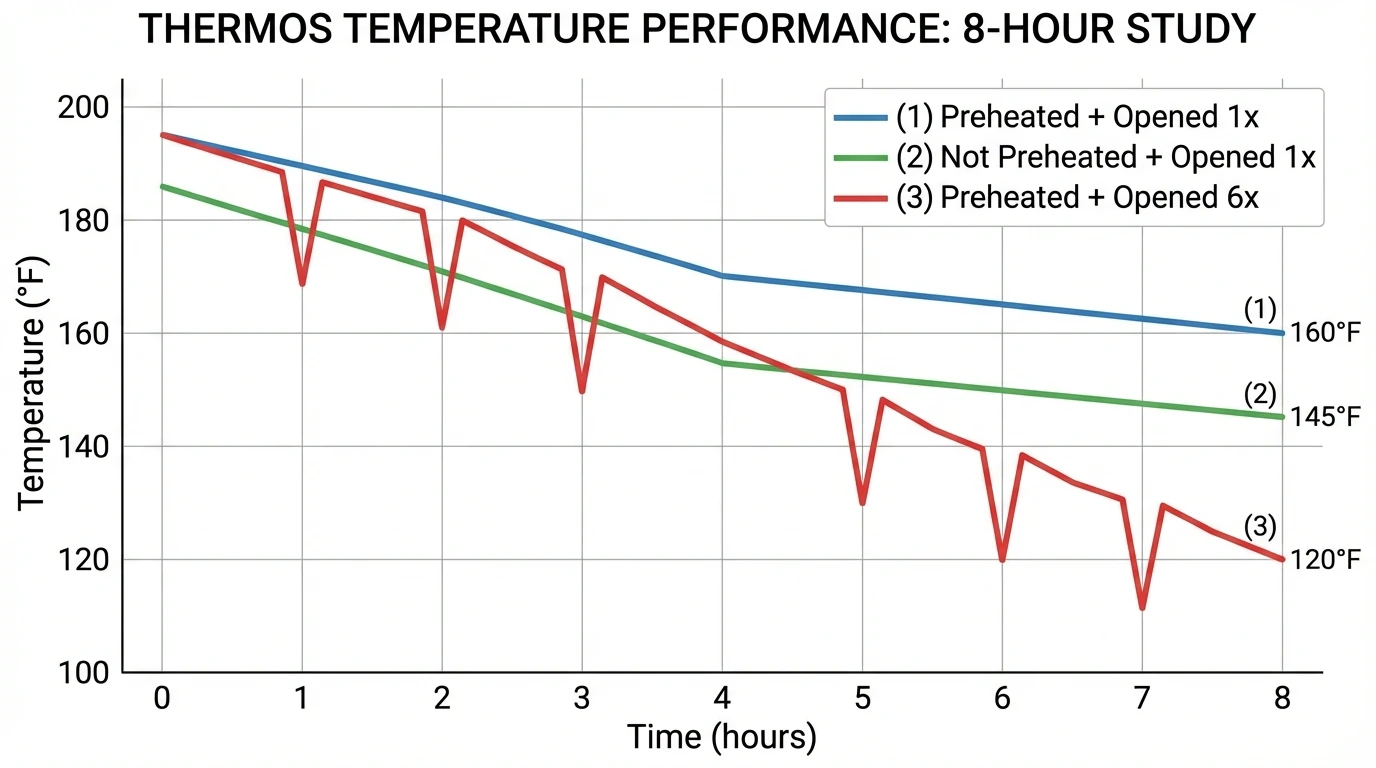
Marketing claims vary, but in the real world, the biggest swings come from your routine:
- Preheating can extend “pleasantly hot” time by hours
- Frequent opening can cut retention drastically
- Underfilling cools faster than filling closer to the top
Common Thermos Problems (and Fixes I Use)
Even a premium thermos can fail if the lid, cleaning routine, or usage habits are off. Here are the issues I see most often and how to correct them quickly.
- Coffee goes lukewarm fast
- Fix: preheat with boiling water for 3–5 minutes; use a tighter lid opening; fill it higher.
- Metallic or “old coffee” taste
- Fix: deep clean gasket and lid channels; consider a ceramic-lined interior if you’re sensitive to taste.
- Leaking in a bag
- Fix: check gasket alignment; replace worn seals; avoid cross-threading lids.
- Stuck lid
- Fix: don’t overtighten; release pressure by cracking the lid slightly after filling with very hot liquid.
- Smell that won’t go away
- Fix: soak with warm water + baking soda; scrub lid parts; air-dry fully with lid off.
Does Pre-Heating Your Thermos Really Keep Coffee Hotter? (Surprising Test Results!)
How to Use a Thermos Like a Pro (Quick Routine)
A small routine change beats chasing specs. This is what I do when I need reliable heat on a long morning:
- Preheat or prechill the thermos for 3–5 minutes.
- Dump the water, then fill immediately with your drink/food.
- Fill to an efficient level (closer to full = better retention).
- Close it tightly, and minimize openings.
- Clean the lid/gasket weekly, not just the body.
If you’re shopping broadly for insulated drinkware, you may also like the practical pros and cons outlined in Top 7 Stainless Steel Tumbler Benefits.
Thermos vs. Modern Insulated Drinkware: What’s the Difference?
“Thermos” has become shorthand for insulation, but today’s market splits into two directions:
- Traditional utility-first thermos designs: maximum retention, minimal features
- Lifestyle insulated drinkware: strong retention + design, comfort, and convenience
Corkcicle sits confidently in the lifestyle category—insulation you can trust, plus thoughtful details (like comfort lids, stable bases, and finishes that look at home at the office or on a weekend trip). If your thermos is something you carry everywhere, “use experience” matters as much as lab performance.
For broader context on the original brand and its vacuum-insulation legacy, see the company’s background references like Thermos LLC and the category positioning described by the Thermos brand site.
Buying Checklist: The Best Thermos for You
Use this quick filter before you buy:
- Primary use: commute / gym / outdoor / school lunches / office all-day
- Liquid or food: beverage needs different lid geometry than soup
- Capacity: larger retains temp better, but must fit your bag and cupholder
- Lid style: slide lock, twist lock, push-button spout, or 360° sip
- Cleaning: fewer parts is easier; dishwasher-safe components help
- Taste preference: consider ceramic-lined interiors if flavor purity matters
Conclusion: A Thermos Should Match Your Routine (So You Actually Use It)
A thermos isn’t just a container—it’s a small daily system that can make mornings smoother, lunches better, and hydration more consistent. When the lid fits your habits, the size fits your bag, and you preheat/prechill, you’ll get the “hot stays hot, cold stays cold” experience people expect.
If you’re building a drinkware setup that looks as good as it performs, consider thermos-style options designed for modern life—like Corkcicle’s insulated canteens, commuter cups, mugs, and food-friendly formats. Share in the comments what you’re using your thermos for (commute, school, outdoors), and what you wish it did better—I’ll recommend the best style and features for your use case.
FAQ: Thermos Questions People Also Search
1) How long does a thermos keep drinks hot?
Most vacuum-insulated thermos designs can keep drinks hot for several hours, but results depend on preheating, fill level, lid design, and how often you open it.
2) What’s the best thermos for coffee commuting?
Look for a travel mug with a spill-resistant sip lid, strong seal, and easy-clean parts. Preheating is the fastest way to improve performance.
3) Why does my thermos leak even when it’s closed?
Usually it’s a misaligned or worn gasket, cross-threading, or debris in the lid. Cleaning and reseating the seal often fixes it; replacing the gasket solves persistent leaks.
4) Can I put soup in a thermos?
Yes—use a wide-mouth insulated food jar, preheat it, and keep it closed until lunch for best results.
5) How do I remove smells from a thermos?
Soak with warm water and baking soda, scrub lid channels and gaskets, and let everything air-dry completely.
6) Is stainless steel or ceramic-lined better for a thermos?
Stainless steel is durable and common. Ceramic-lined interiors can reduce metallic aftertaste and help preserve flavor, especially for coffee and tea.
7) Do I need a different thermos for cold drinks?
Not necessarily, but cold-drink use benefits from wide mouths (for ice), straw/sip lids you like, and exteriors that handle condensation well.