
Tumblers are the quiet hero on your desk, in your cupholder, and beside your gym bag—until the day your coffee goes cold too fast or your ice melts before lunch. I’ve tested a lot of drinkware over the years (commutes, flights, and long meeting days), and the difference between an “okay cup” and a great tumbler is obvious within the first week. So what makes tumblers perform better, taste better, and travel better—and which type should you buy?
In this guide, you’ll learn what tumblers are, how they differ from travel mugs and water bottles, which features matter most, and how premium insulated drinkware (like Corkcicle) is designed to solve common real-life problems.
What Are Tumblers (and Why Everyone Uses Them Now)?
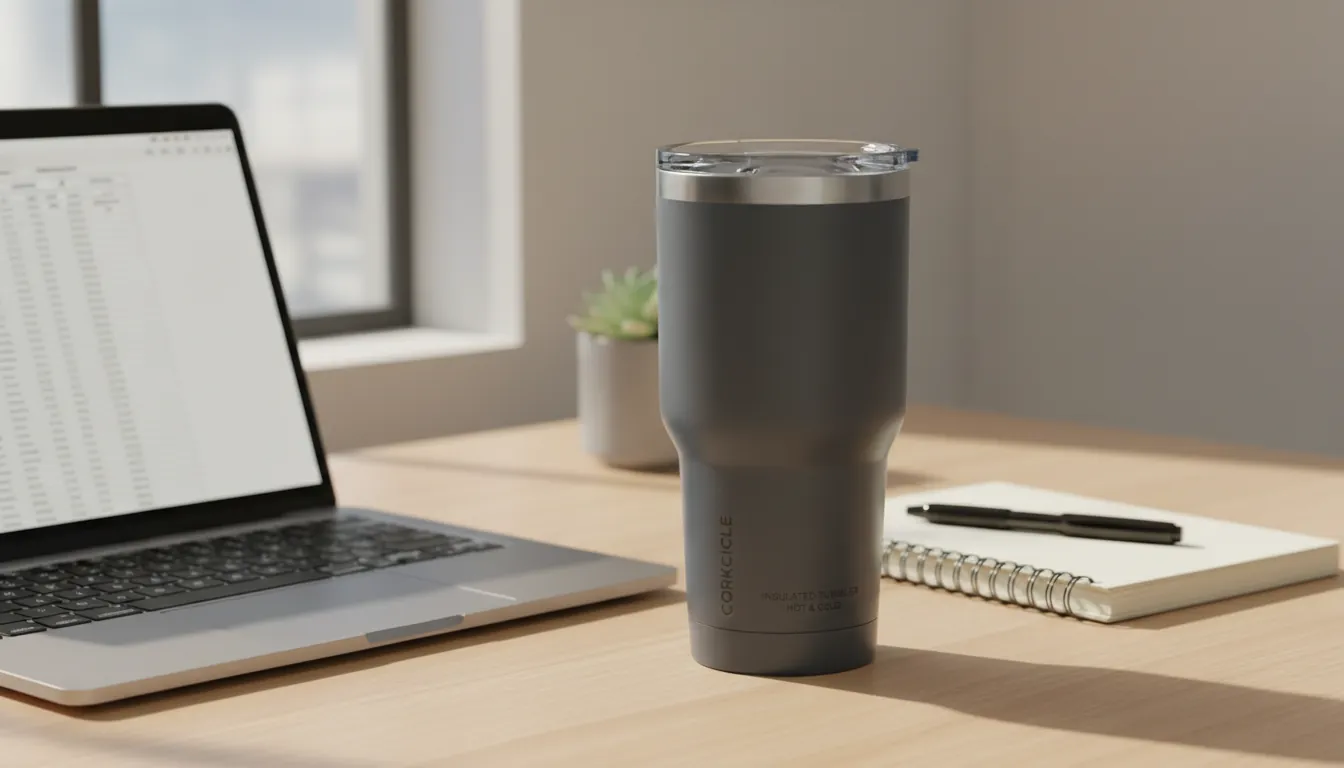
Tumblers are reusable cups designed for everyday drinking—often with a wide opening, a lid, and insulation that helps keep beverages hot or cold longer. Unlike a standard glass or disposable cup, tumblers are built for movement: commuting, errands, school drop-off, or simply staying hydrated at your desk. Many modern tumblers use double-wall vacuum insulation, which slows temperature transfer and reduces condensation.
Tumblers have also become a style item, not just a utility. Colorways, limited-edition collaborations, and ergonomic shapes make it easy to choose one that fits your daily routine and personal taste.
Key tumbler categories you’ll see most often:
- Insulated stainless steel tumblers (best all-around for hot/cold retention)
- Straw tumblers (best for iced drinks and quick sipping)
- Stemless tumblers (great for wine/cocktails and patio use)
- Ceramic-lined tumblers (for “pure taste” and less metallic aftertaste)
For a quick breakdown of shapes and use cases, see Corkcicle’s guide to Exploring the Different Types of Tumblers.
How Tumblers Keep Drinks Hot or Cold: The Insulation Basics
Most high-performing tumblers rely on double-wall vacuum insulation. In plain terms, there are two walls with a vacuum between them, which reduces heat transfer through conduction and convection. That means hot drinks stay hot longer and cold drinks stay cold longer—especially when the lid fits well and limits airflow.
From an industry perspective, insulation performance is usually shaped by four factors:
- Vacuum quality and wall thickness (core thermal performance)
- Lid design (heat loss often happens at the top)
- Opening size (wider openings cool faster)
- Preheating/precooling (a simple habit that improves results)
Many brands recommend preheating/precooling by filling the tumbler with warm/cold water for a few minutes before use—Stanley even calls this out in their care tips for thermal performance on their tumbler pages.
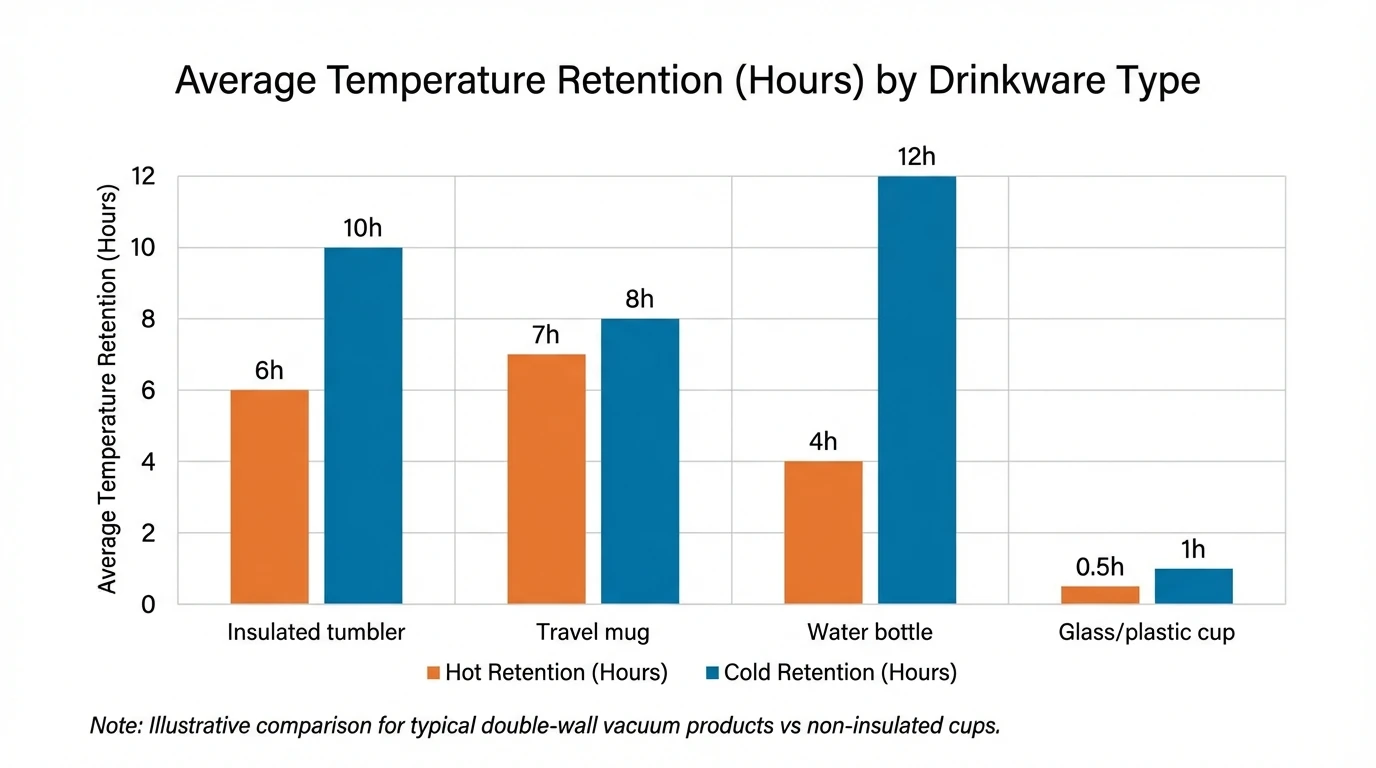
Tumbler vs. Travel Mug vs. Water Bottle (Choose by Lifestyle)
People often search “tumblers” when they really mean “the best cup for my routine.” The right answer depends on where you drink, how you carry it, and whether spills are a dealbreaker.
A practical way to decide:
- Choose a tumbler if you want a versatile cup for desk-to-car-to-walks, often with straw or sip lid options.
- Choose a travel mug if you prioritize one-hand, leak-resistant commuting and hot beverages.
- Choose a water bottle if you want maximum capacity and a bottle-shaped carry experience.
If you want the deeper side-by-side (and what to buy when), Corkcicle’s comparison is worth bookmarking: Tumbler vs Travel Mug: What’s the Difference?.
| Feature | Insulated Tumbler | Travel Mug | Water Bottle |
|---|---|---|---|
| Best for | Iced drinks | Coffee | Hydration |
| Typical capacity | 12–30 oz | 12–20 oz | 20–64 oz |
| Lid style | Straw or sip | Flip or slide sip | Chug or straw |
| Cupholder fit | Often | Often | Sometimes |
| Spill resistance | Medium to high | High | High |
| Cleaning ease | High | Medium | Medium |
| Ideal setting | Office + errands | Commute + travel | Gym + outdoors |
The Features That Actually Matter When Buying Tumblers
Tumblers look similar online, but performance and daily comfort come down to a handful of details. When I evaluate tumblers, I focus on how they behave in real situations: tossed in a bag, set on a conference table, used in the car, and cleaned quickly between drinks.
1) Lid design: sip, straw, or 360°?
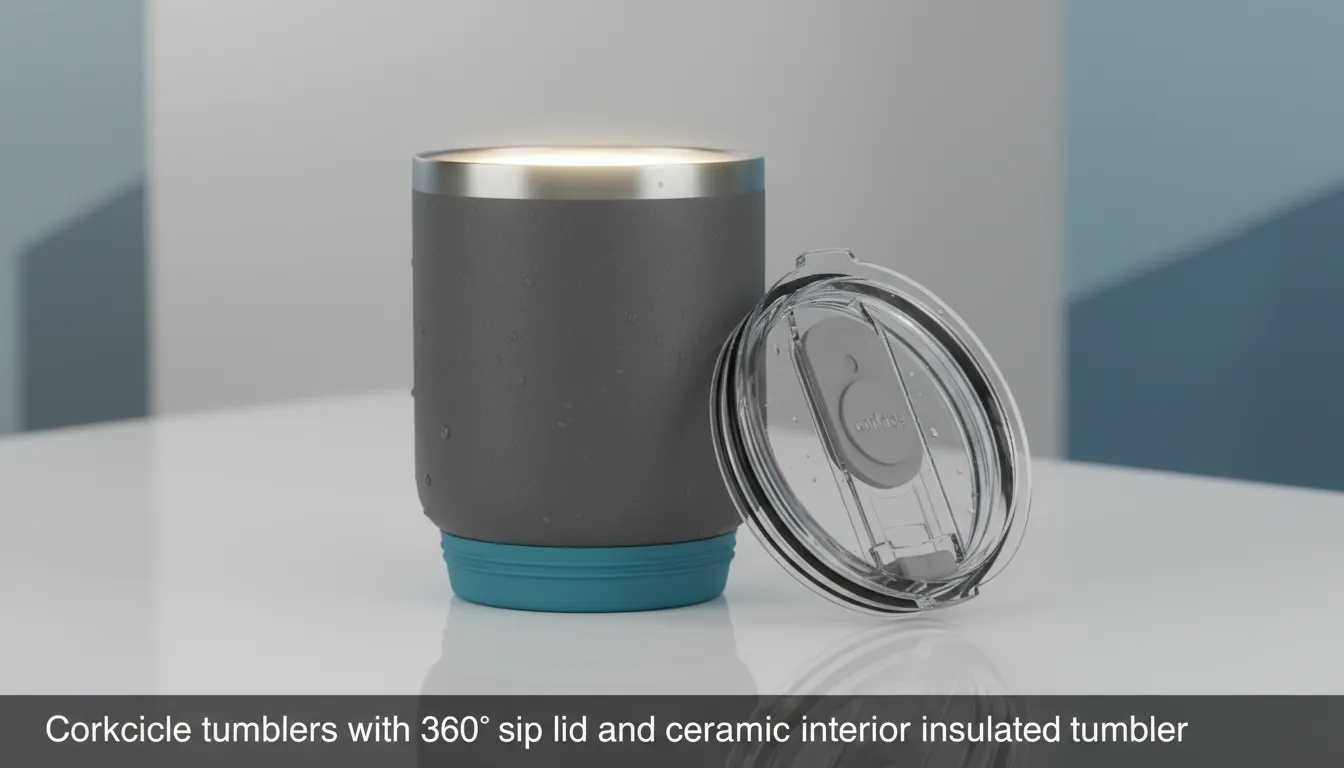
A good lid does more than “cover the top.” It controls temperature loss, spill risk, and ease of use. For example, Corkcicle’s spill-proof 360° sip lid is designed for convenient sipping from multiple angles—useful when you’re walking or working and don’t want to fiddle with alignment.
Look for:
- Tight seals (especially if you commute)
- Easy disassembly for cleaning
- Comfortable mouthfeel (sharp edges get old fast)
2) Interior material: stainless vs ceramic-lined
Stainless steel is durable and common, but some people notice a metallic taste—especially with coffee, tea, or acidic drinks. A ceramic interior (like Corkcicle’s “pure taste” ceramic lining) helps preserve flavor and can reduce lingering odors.
Best practice:
- If you rotate between coffee, flavored water, and tea, ceramic-lined options often stay fresher.
3) Base + stability: don’t ignore the bottom
A non-slip silicone base sounds minor—until your tumbler scrapes loudly in a quiet office or tips on a slick counter. A stable base is one of those “quality signals” you feel every day.
4) Size and cupholder fit
Big capacities are tempting, but the most-used tumblers tend to be the ones that fit your cupholder and your hand. A 16–24 oz range is the “sweet spot” for many people; larger sizes shine for all-day hydration but can be bulky.
5) Cleaning and durability
Dishwasher-safe is convenient, but always check product care guidance. Lids with too many crevices can trap residue, so prioritize designs that are easy to take apart.
For more decision criteria and everyday advantages, Corkcicle also covers Exploring the Versatility of Tumblers.
Common Tumbler Problems (and How to Fix Them Fast)
Even premium tumblers can underperform if they’re used the wrong way—or if one small part is worn out. Here are the issues I see most often, plus solutions that usually work immediately.
- Ice melts too fast
- Pre-chill with cold water for 5 minutes, then dump and fill.
- Use larger ice cubes (less surface area melts slower).
- Coffee cools quickly
- Preheat with warm water.
- Use a lid designed to reduce airflow at the sip opening.
- Metallic or “old coffee” taste
- Deep clean lid seals; they hold odors.
- Consider ceramic-lined interiors if taste sensitivity is high.
- Leaks in a bag
- Replace worn gaskets.
- Choose lids designed for spill resistance (commuter-style lids often win here).
- Sweating/condensation
- Usually indicates single-wall construction; double-wall vacuum tumblers reduce this.
For broader drinkware care and safety guidance, you can reference best practices from organizations like the U.S. Food & Drug Administration (food contact materials) and cleaning/disinfection basics from the CDC (especially useful if you use tumblers in shared spaces).
Why Corkcicle Tumblers Stand Out (Design + Daily Performance)
Corkcicle sits in the premium insulated tumbler category, but what makes it compelling is the combination of insulation and “lived-in” design details. In practice, the features that make the biggest daily difference are the ones that remove small annoyances: a lid that’s easy to sip from, an interior that keeps flavors clean, and a base that doesn’t clatter or slide.
Corkcicle’s design language also leans into lifestyle—styles that look at home in a meeting, on a picnic blanket, or in a gym cubby. And if you like collectible drops, Corkcicle’s collaborations (e.g., Disney, Harry Potter, Starbucks-inspired partnerships) offer limited-edition looks without sacrificing function.
If you’re comparison shopping across brands, it helps to read neutral testing criteria and product safety notes. Consumer-focused guidance like Consumer Reports’ product buying advice can help you frame what “value” means for your needs (retention, spill control, durability, warranty).
How to Choose the Best Tumbler for Your Routine (Quick Checklist)
Use this checklist to match tumblers to real life—because “best” changes depending on how you drink.
- Pick your primary drink
- Coffee/tea: prioritize lid seal + taste (ceramic-lined helps)
- Iced water: prioritize straw compatibility + cupholder fit
- Decide where it will live
- Desk: comfort sip + quiet base
- Car: cupholder fit + spill resistance
- Travel: leak-resistant lid + durable finish
- Choose capacity
- 12–16 oz: espresso/short commutes
- 20–30 oz: daily sweet spot for most people
- Confirm cleaning
- Simple lid parts, easy to access seals, clear care instructions
Finally! A Tumbler That Destroys the Stanley!
Conclusion: The Right Tumbler Makes the Day Feel Easier
Tumblers aren’t just cups—they’re tools that remove friction from your routine, whether that’s keeping coffee hot through a long morning or keeping water cold through a busy afternoon. When you choose tumblers based on insulation, lid design, taste, stability, and fit, you end up with something you’ll actually use every day. And if you want a blend of premium performance and thoughtful details, Corkcicle is built around exactly those “small things” that add up.
FAQ: Tumblers
1) What are tumblers used for?
Tumblers are used for drinking hot or cold beverages on the go or at home, often with insulation and a lid to reduce spills and maintain temperature.
2) Are stainless steel tumblers safe for daily use?
Yes, reputable stainless steel tumblers are designed for food contact. Follow the maker’s care instructions and clean lids/seals regularly.
3) Do tumblers keep drinks cold all day?
Many insulated tumblers can keep drinks cold for hours, especially with a well-fitting lid and plenty of ice. Performance varies by design and usage.
4) What size tumbler is best for everyday use?
For most people, 20–30 oz offers a good balance of hydration, portability, and cupholder compatibility.
5) How do I stop my tumbler from tasting like coffee?
Deep clean the lid and seals, and consider a ceramic-lined interior to reduce lingering flavors and odors.
6) Can I put my tumbler in the dishwasher?
Some tumblers are dishwasher safe, others aren’t. Always check the product’s care guidance—especially for lids, coatings, and seals.
7) What’s the difference between a tumbler and a travel mug?
A tumbler is often more versatile (including straw options), while a travel mug typically prioritizes leak resistance and hot-drink commuting features.